Dance history4 minutes

Leipzig Dance Archive: Dance history of the GDR in the university library

By Mary De LucaUpdated

In short
  • The Tanzarchiv Leipzig was founded in 1957 and served for many years as a branch of the Academy of Arts of the GDR.
  • The extensive collections include thousands of photographs, program booklets, notations, and estates related to the dance history of the GDR.
  • Today, the special collection is in the care of the Leipzig University Library and is open to researchers and interested individuals upon registration.

Between yellowed program booklets and historical photographs, a unique memory of movement is stored in Leipzig. If you open the files, you will discover how intensely dance was debated, celebrated, and documented during four decades of the GDR.

DefinitionLeipzig Dance Archive

The Leipzig Dance Archive is a special collection founded in 1957 for the documentation of stage and recreational dance. Its holdings are currently stored in the Leipzig University Library and form a central source for East German dance history.

The Leipzig Dance Archive and its historical roots

The Leipzig Dance Archive forms the historical memory of stage and amateur dance in eastern Germany. Founded in 1957, the institution acted for decades as a branch of the Academy of Arts of the GDR. Dance professionals, choreographers, and researchers bundled documents here that would otherwise have been scattered or lost. Today, these valuable collections are stored safely in the Leipzig University Library, where they are kept accessible to both researchers and the public.

Anyone interested in the development of modern dance concepts will encounter fascinating testimonies in the Leipzig archives. The collection includes not only state-sponsored ballet productions, but captures the entire spectrum of dancing over four decades of GDR history. From classic ensemble documents to handwritten notes from independent ensembles, the archive reflects how the art of movement functioned back then.
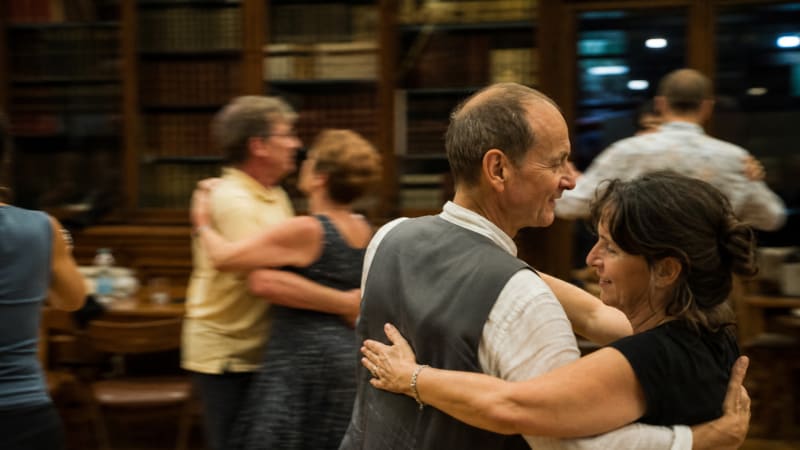
Original recordings and notations make dance steps visible that graced stages decades ago.

Photographs, notations, and documents on GDR dance history

Thousands of photographs, program booklets, reviews, music scores, and detailed dance notations are stored in the archives of the university library. They document performances by renowned choreographers as well as the work of regional dance theaters and folk art collectives. The dance history of the GDR was always a field of tension between the desire for artistic expression and cultural-political control, which is clearly reflected in the collection's reports and correspondence.

The collection of specialist journals and theoretical writings is remarkable: it shows how dance theories from Central and Eastern Europe were discussed and processed in original textbooks. Anyone looking for inspiration for choreography today or who appreciates dance novels and illustrated books on history will also discover impressive visual sources in the Leipzig archive boxes.

Preparing for your archive visit at the university library

Targeted research

  • Search for topics and signatures in the library catalog before your visit
  • Schedule an appointment in the special reading room in good time
  • Bring a pencil and notepad for your own excerpts

Unfavorable procedure

  • Asking for archival materials spontaneously without prior notice
  • Editing documents with ballpoint pens or felt-tip pens
  • Expecting that all collections are available in full digital format

Archives preserve the knowledge of how dance has moved and connected people, long after the last applause has faded away.

Dance historian, Leipzig

Using the collections at the university library

A visit to the Tanzarchiv Leipzig is not intended solely for university staff. Students, freelance choreographers, dancers, and history enthusiasts can use the finding aids and, by prior appointment, view files, collections of images, and estates. To view documents on-site, we recommend targeted preliminary research in the university library catalog as well as a timely inquiry via email.

Especially for active dancers, looking into the files opens up a deeper understanding of today's dance creation. Those who want to understand how forms and techniques have changed over the decades will find authentic primary sources here. The archive reminds us that dance is more than the fleeting moment on stage: it is a lasting part of the cultural heritage of the city of Leipzig.

Two facets of the GDR dance collection

Stage dance

Official festival culture and ballet

Focus on ensembles and state stages

Program booklets, production photos, and administrative reports reflect how state requirements and artistic guidelines were implemented at the major theaters.

Amateur dance

Folk art collectives in everyday life

Leisure art and the ensemble scene

Documentations on amateur ensembles, dance festivals, and movement groups show the lively practice away from the large state theaters. Here, it was all about community and dance education.

Frequently Asked Questions

  1. The holdings can be searched via the Leipzig University Library catalog and viewed in the special reading room by appointment. It is advisable to contact us via email in advance, as archival materials must be retrieved from the stacks.

Discover dance offers in Leipzig

Combine your interest in history with your own movement on the dance floor.

View all suitable courses

Share history instead of researching alone

Find like-minded people for joint visits to dance archives, dance history workshops, and historical dance projects in Leipzig.

Share history instead of researching alone