Dance together for a semester
On udansa, you can find dance partners in Paris and let them know from the start that your study stay is only temporary. That way, you can enjoy dancing together without needing to have the same plans for the future.

By Mary De LucaUpdated
On udansa, you can find dance partners in Paris and let them know from the start that your study stay is only temporary. That way, you can enjoy dancing together without needing to have the same plans for the future.
Between arriving, classes and heading home, there’s time you can spend with others. A dance class together doesn’t have to go on for years to give you familiar encounters in the unfamiliar routine of student life.
A social is a dance event where you dance with other guests without a fixed stage program and often switch dance partners. The term describes the event format, not a particular dance style.
If you're living in Paris for a limited time as a student, you may not be looking for a long-term dance partner. You might want to dance between classes, meet familiar faces, or get more confident with a move you're still unsure about. These kinds of wishes fit a semester abroad, as long as the other person knows the time frame. On udansa, in a dance class, or after dancing together, you can mention this early on.
A sentence like “I'm here for my semester abroad and will return at the end of the semester” shapes expectations. It doesn't yet say how often you'll see each other. But it helps prevent a friendly encounter from quietly turning into a shared plan for the coming year. If your exact return date isn't set, the planned time frame is enough for now.
Knowing when it ends doesn't make an encounter any less meaningful. Some people want to train together over a longer period, while others are happy with a few evenings of dancing together. Both are understandable. For general guidance on your search, see dance connections in Paris. During your stay, what matters most is whether your expectations about the length of time match.
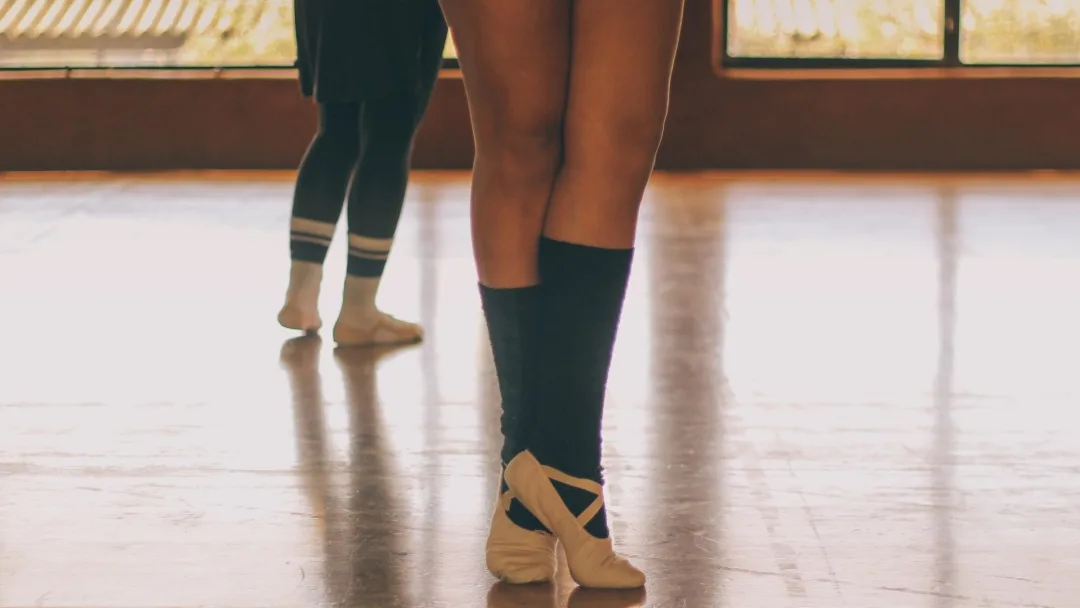
During an Erasmus stay in Paris, classes, assignments and exams can change how much time you have available. So a week that’s free at the beginning isn’t a reliable pattern for the whole semester. In dancing, this change has practical consequences: someone working on a longer sequence of figures together needs more uninterrupted practice time than someone who occasionally dances basic steps to music.
You can explain an upcoming study period plainly: “I’ll take a break from our meetups during my exam period. After that, I’d like to dance occasionally again until I return home.” This helps you distinguish a time constraint from a lack of interest. If you don’t yet know when the busy period will end, it’s more honest to keep things open than to promise a date too soon.
You can also scale back what you’re working on together. A basic step with a secure weight transfer or a familiar turn is easier to pick up again after a break than a long choreography with lots of transitions. Solo practice can keep your movements fresh, but it doesn’t replace dancing together in time. Dance classes in Paris offer different ways to learn; your personal study schedule also determines how much you can realistically take on.
Do it like this
Don't do this
Use the course filter to find current classes in Paris for the time you’ll be there.
A temporary dance partnership can be a firm commitment if both know the period they are planning together for.
A temporary stay comes with a goodbye you can see coming, even if you have come to feel at home in Paris. You can mention this endpoint when you first meet and bring it up again later. You don’t have to burden every date with your return trip, or pretend it doesn’t matter. Your time together has a framework in which closeness and dancing familiarity can develop.
It helps to set a goal that fits within this framework: go to a social together, dance a basic step with more confidence, or pick up where you left off after a break from learning. Signing up together for something after your departure only makes sense if you’ll actually still be there. Staying in touch over distance is also an option, but not an obligation or a substitute for an honest ending to your meetups.
For your goodbye, you can arrange one last dance together and thank them for something specific: patiently repeating steps, helpful feedback, or time together outside your studies. Whether you dance together again later can remain open. You can express appreciation without turning it into another obligation. That way, the goodbye remains part of the arrangement instead of coming as a surprise between you.
Connections without planning your semester together
With rotating dance partners, you can take part even if your study schedule is irregular. Each encounter starts with a new physical interaction: you first need to find the right distance, cues, and pace together. This means there's no expectation that you'll dance with the same person throughout your stay.
Growing together with a known endpoint
With a regular dance partner, you can build on moves you’ve already tried together. Familiarity makes feedback easier and helps you notice small improvements. A known departure date gives this collaboration a framework, without postponing its value until afterward.
No, your dance partner does not also have to be on an Erasmus stay. What matters is that your expectations about timing align. Someone who lives in Paris permanently is welcome to dance with you for a semester, while another exchange student may be looking for a long-term training partner.
Yes, you can find dance connections halfway through the semester too. You do not need to have a shared history to dance together once or twice at a social. For regular meetups, it helps to be specific about how much time you have left and choose a small shared dance goal instead of an extensive choreography.
Yes, you can practice simple movements on your own during an exam break. You can repeat weight shifts and basic steps without a partner, as long as you have enough space. However, shared timing and responding to lead cues only come from dancing together again, so solo practice cannot replace every shared experience.
You can say goodbye with a last dance you planned together and a personal thank-you. Mention something specific that your time together gave you, such as more confident turns or a familiar evening in your student routine. You can leave the possibility of seeing each other again open, rather than letting it hang between you as a promise.