Choosing a class4 minutes

Assess your dance class level in Shanghai: How to find your level

By Bernhard De LucaUpdated

In brief
  • In Shanghai, compare your experience only within the same dance style and technique.
  • Check which basic steps, transitions, and directions of movement you can confidently recall without constant reminders.
  • Choose the lower level if you still often struggle with the tempo or combinations.
  • Before signing up, ask what content and prior knowledge the course specifically requires.

A familiar basic step can give you confidence, but says little about how you respond to tempo, changes of direction, or new combinations. What matters is what you can do on your own, not how long you’ve been dancing.

What you need for your assessment

  • Experience with the specific dance style
  • A typical combination from your previous classes
  • An honest assessment of the pace and how much review you’ll need
  • Course description with level information
  • The option to ask the provider about what you’ll learn

Level names are clues, not a universal scale

When assessing your dance class level in Shanghai, first separate your experience by dance style. A level does not say how well you dance in general: it refers to specific movements, technique, and class content. If you are confident in one style, you may still need to start with the basics in another.

Level labels are not a reliable shared scale either. “Beginner,” “Basic,” or “Intermediate” can mean different things from one class to another. So look for specific details: Are basic steps introduced, are combinations repeated, or are you expected to already know them? If the description is vague, ask for details. To help you choose a style, take a look at the overview of dance styles that suit you in Shanghai.

Do not judge yourself only by whether you can do a move once. What matters more is whether you can repeat it without constant demonstrations, combine it with other steps, and keep it up when the tempo changes. If you are between two levels, tell the provider both what you can do confidently and where you still get stuck. For current classes and times, use the class filter for Shanghai; determine your level based on the class content.

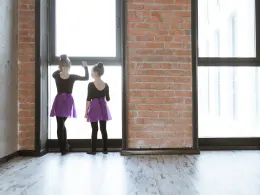
Lower bodies of women in a dance studio
If you only look at your feet while practicing, the movement isn't yet automatic.

Assess your level in four questions

  1. Assess your level for each dance style

    Assess your experience separately for each style and technique. If you’ve danced Salsa for a long time, that doesn’t automatically mean you’ll start at an advanced level in ballet.

  2. Recall the basics without a prompt

    Ask yourself whether you can perform key steps and transitions from memory. If you’re constantly looking at others or waiting for a cue, you still need more practice with the basics.

  3. Check tempo and combinations

    Think about whether you can still perform a sequence you've learned at a faster tempo or after changing direction. Knowing individual steps is different from linking them together smoothly.

  4. Compare course descriptions in detail

    Look for specific topics and prerequisites, not just words like „Basic“ or „Intermediate“. Ask about a specific combination or technique expected in the course, and assess your level accordingly.

How to Read Level Descriptions

Do this

  • Assess your experience separately for each dance style
  • Make sure you can recall the basics on your own
  • Ask about specific course content and prerequisites
  • When in doubt, make sure the basics are firmly in place

Not like this

  • Apply years of dance experience to every style
  • Use only individual successful steps as a benchmark
  • Assume “Basic” or “Intermediate” means the same thing everywhere
  • Choose a higher level based on ambition alone

Your level before and after matching

Before looking for classes

Looking back

When comparing courses

Comparison

Before your first session

Decision

Frequently Asked Questions

  1. “Open Level” means that a class is intended to accommodate different experience levels, but it does not automatically mean that it is suitable for everyone with no prior experience. Ask about the pace of the class and whether the basics are reviewed or assumed. This will help you determine whether you can follow the class without constantly feeling overwhelmed.

Compare dance classes in Shanghai

Check which prior experience and course content match the stated level in the current classes in Shanghai.

The right level makes getting started confident

On udansa, you can compare current dance courses in Shanghai and match the level descriptions against your own experience. That way, you can go into your search with specific questions instead of choosing based only on course names.

The right level makes getting started confident