Floor acrobatics3 minutes

Common mistakes in floor acrobatics for dance: The top 7 blunders

In short
  • A rounded back during floor contact deprives the core of the necessary stability and puts strain on the spine.
  • Bent wrists and collapsed shoulders block the flow of energy and lead to painful strain.
  • An uncontrolled release of body weight destroys the dance flow and increases the risk of injury.
  • Lack of body tension in the legs and feet prevents a clean line and makes balancing more difficult.

If you incorporate acrobatic elements into your choreography, you often struggle with gravity. A single posture error breaks the flow of movement and puts unnecessary strain on your joints.

Our criteria for error analysis

  • Anatomical relevance

    udansa exclusively lists genuine, anatomical posture errors that occur during solo floorwork elements.

  • Sports science foundation

    All correction suggestions are based on sports science and dance training principles.

  • Independent selection

    No payments or sponsorship funds from studios were accepted for the creation of this list.

The correct alignment of the wrists and shoulders protects against injuries and ensures stability.

The 7 most common posture mistakes in floorwork

  1. 01

    Collapsed shoulders in support

    Upper body, all levels, common in handstands

    • Shoulder girdle
    • stability
    • neck

    Anyone who does not actively pull their shoulders down and out will collapse. This blocks the cervical spine area and prevents free head joint movement in dance.

  2. 02

    Misaligned wrists

    Hands, beginner to advanced, during elbow stand

    • Wrists
    • weight distribution
    • support

    Bending your wrists outward or inward shifts the entire weight onto the small bones of the carpus. Actively press your fingertips into the floor to relieve the joint.

  3. 03

    The uncontrolled arched back

    Pelvis, all levels, typical in the bridge

    • Torso
    • arched back
    • core tension

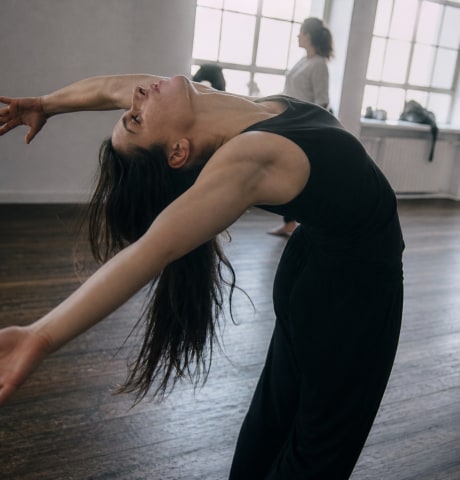
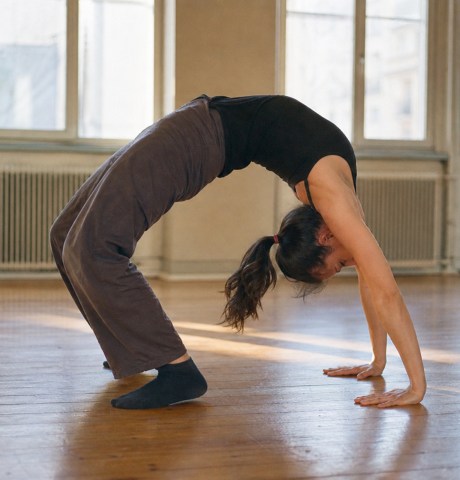
    An extreme arched back destabilizes your core. Without activating your deep abdominal muscles, you lose control over your legs in the air and on the floor.

  4. 04

    Thumping effect when releasing weight

    Full body, beginner, while rolling

    • Landing
    • force reduction
    • flow

    Anyone who thumps risks bruises and joint damage. Every descent to the floor must be cushioned by a controlled eccentric muscle contraction to maintain the flow.

  5. 05

    Slack legs and feet

    Legs, all levels, visible during floor turns

    • Extremities
    • aesthetics
    • body tension

    Loose knees and lifeless feet not only ruin the aesthetic line in the room, but they also shift your center of gravity. Actively stretch your toes all the way to the tips.

  6. 06

    Hyperextended neck in your line of sight

    Head, all levels, during cartwheels

    • Cervical spine
    • line of sight
    • balance

    Anyone who compresses their head into their neck blocks the natural line of movement of the spine. Your gaze should guide the direction, without hyperextending the cervical spine.

  7. 07

    Holding your breath under strain

    Breathing, beginners, for all strength exercises

    • Breathing
    • oxygen
    • flow

    If you hold your breath, your muscles will tense up and you will lose stamina. Your movement must harmonize with the flow of your breath to appear smooth and dynamic.

How to protect your joints and work on the basics

If you want to avoid common mistakes in floor acrobatics while dancing, an anatomically correct alignment will help you. A stable foundation protects your joints and ensures that your movements appear effortless and elegant. Especially in contemporary dance, it is crucial to understand the anatomy in contemporary dance and the spine to cushion peak loads. For starters, it is best to use soft mats and work your way up to the hard dance floor step by step. Targeted strength building for acrobatics in dance is the best insurance against poor posture, as only strong deep muscles can stabilize the body in an inverted position. Take your time with the basics before you attempt complex transitions.

Figures on training practice in acrobatics

Common sources of error in focus
7
hours of targeted technique training help
100 %
Important anchor points for balance
3

Frequently Asked Questions

  1. You can prevent a rounded back by specifically activating your deep core muscles. Keep your spine long and pull your belly button slightly inward to support the natural double-S curve, even under strain.

Acro Dance courses near you

Find the right studio to refine your technique under professional guidance.

View all matching courses

It is easier to train together

On udansa you will find like-minded people who share your passion for movement, as well as suitable studios for your training. Connect today and take your dance acrobatics to the next level.

It is easier to train together