Between tradition and modernity on the dance floor
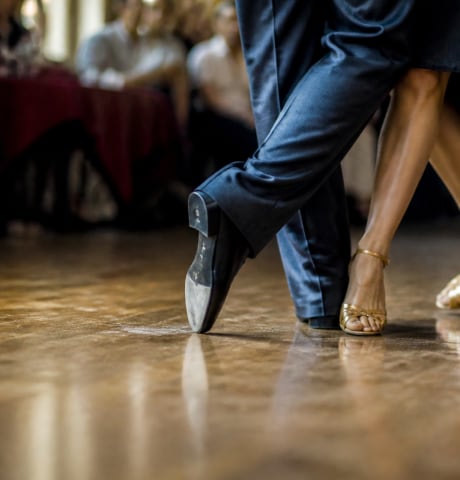
The term milonga describes both the traditional dance evening and a faster style of Tango music. Anyone attending such an event enters a space full of unspoken rules and historically grown rituals. The dress code at a milonga is not a rigid corset, but a sign of respect for the dance community and the tradition of Argentine Tango. While some very traditional salons in Buenos Aires still strictly adhere to classic elegance, modern milongas worldwide are noticeably more open. Nevertheless, the goal remains the same everywhere: the clothing should underline the aesthetics of the dance while simultaneously guaranteeing absolute freedom of movement.
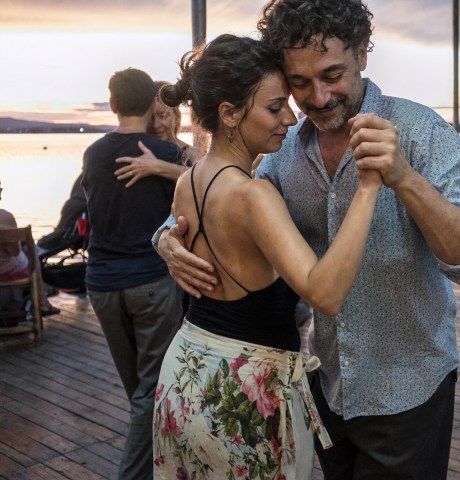
A stylish appearance begins with the choice of the right materials. Since Tango is a very close-contact dance, heavy, stiff fabrics are unsuitable. Instead, flowing textiles dominate, which elegantly follow every turn and are breathable at the same time. If you are unsure how formal a specific milonga is, it is best to orient yourself by the venue: a historic ballroom requires significantly more elegance than an alternative cultural center in a backyard.