Tango music5 minutes

Tango, Vals, and Milonga: The three rhythms explained

In a nutshell
  • Classic Tango stands for dramatic contrasts, deep melancholy, and the alternation between fluid movements and sudden pauses in a four-four time signature.
  • Tango Vals brings a floating lightness and continuous, wave-like dynamics to the dance floor with its fluid three-four time signature.
  • Milonga is based on a fast, cheerful two-four time signature with syncopated beats that invites carefree and lively movements.
udansa community

Find your rhythm with udansa connect

Whether you are looking for the melancholy of Tango, the swing of Waltz, or the joy of Milonga: at udansa, you will find like-minded people who share your passion for music. Discover suitable courses and dance partners near you.

Find your rhythm with udansa connect

The term Tango hides a fascinating trinity of melancholy, momentum, and pure joy of life. Anyone who understands the subtle differences between the three rhythms does not just dance in time, but feels the soul of the music.

Definition
Tanda

A tanda refers to a cohesive group of usually three to four musical pieces by the same orchestra and style at a milonga. It helps dancers adjust to a specific rhythm such as Tango, Vals, or Milonga.

The three pillars of Argentine dance music

Anyone entering a milonga for the first time is often surprised by the musical variety. The music of Argentine Tango is not a rigid genre, but is divided into three fundamental musical styles: classical Tango, Tango Vals, and Milonga. These three Tango rhythms form the emotional and musical foundation of every traditional dance event. Each of these styles brings its own unique atmosphere to the dance floor and requires dancers to engage with a completely different feeling.

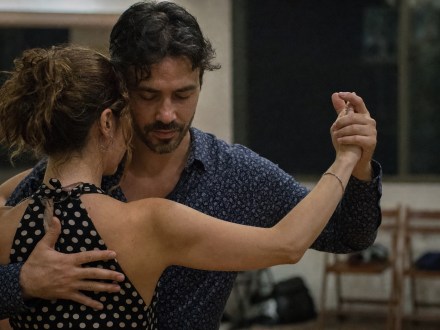
Classical Tango is characterized by a deep, often melancholic emotionality. It thrives on the interplay of tension and relaxation, sudden stops, and elegant, elongated movements. Here, you can feel the famous "breathing" of the bandoneon, which gives couples space for improvisation and intense connection. The music tells stories of longing, love, and everyday worries, which is directly reflected in a concentrated, dense atmosphere on the dance floor.

From the floating three-quarter time to the fast Milonga

Tango Vals, often referred to as vals criollo music, brings a completely different energy to the dance floor. It is based on the classic three-quarter time, but differs significantly from the European Viennese Waltz. The music is fluid, elegant, and carried by a buoyant lightness. Instead of the dramatic pauses of Tango, a continuous, wave-like movement dominates here, allowing the couple to glide gently across the floor.

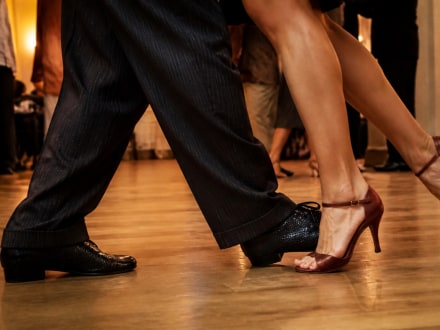
The Milonga, on the other hand, is the cheerful, rhythmic sister of Tango. With its fast, syncopated two-quarter time, which has historical roots in African rhythms, it immediately dispels any melancholy. A Milonga is dynamic, humorous, and carefree. On the dance floor, this milonga rhythm leads to smaller, nimble steps and a palpable lightness. People laugh, chat, and celebrate pure joie de vivre.

How to find the right beat of the music

Listen carefully

  • Engage with the character of the respective piece of music
  • Let the movements flow smoothly during a Vals
  • Dance the lively cheerfulness of the Milonga with a smile

Common mistakes

  • Playing every song with the same rigid dynamic
  • Trying to force hard stops and pauses in Vals
  • Bringing the melancholy of Tango into the Milonga
udansa tip

Simply close your eyes while listening to music at home and try to follow just the bandoneon or just the bass. This trains your ear for the subtle nuances of the different orchestras.

The music tells you exactly how to move in every single second. You just have to learn to switch off your head and trust your ears.

Tango DJ and curator, Buenos Aires

How music determines the character of your dance

Understanding these three musical styles is the key to moving confidently at traditional dance evenings. The tracks are almost always played by DJs in so-called "tandas": blocks of three to four songs of the same style and orchestra. A tanda with classic Tango is usually followed by a tanda Vals or a tanda Milonga, interrupted by a short break, the "cortina". This structure helps dancers to emotionally adjust to the respective rhythm.

Those who not only hear the difference between tango, vals, and milonga, but also let it into their bodies, will experience the full range of Argentine Tango. It is not about reeling off difficult figures, but about letting the music take the lead. While classic Tango demands intimacy and precision, the Vals invites you to dream, and the Milonga leaves the couple with a smile on their face. Only through the interplay of these three worlds does the dance unfold its magical effect.

Two worlds on the same dance floor

Tango

Intensity and devotion

The melancholic depth in four-four time

Classic Tango demands devotion, concentration, and a deep immersion into the often melancholic mood of the music. Here, the focus is on the intense connection within the pair, as udansa encourages.

Milonga

Lightness and tempo

The rhythmic joy of life in two-four time

The Milonga breaks with the heaviness of Tango and brings sparkling energy to the dance floor. With quick, cheeky steps and a smile on your face, the music becomes pure fun.

Frequently Asked Questions

  1. Classic Tango is played in a sustained four-four time and thrives on dramatic pauses. Tango Vals uses a floating three-four time, while Milonga is based on a fast, syncopated two-four time.

Discover Tango courses near you

Find the right dance school and get to know the variety of Argentine rhythms.

View all matching courses