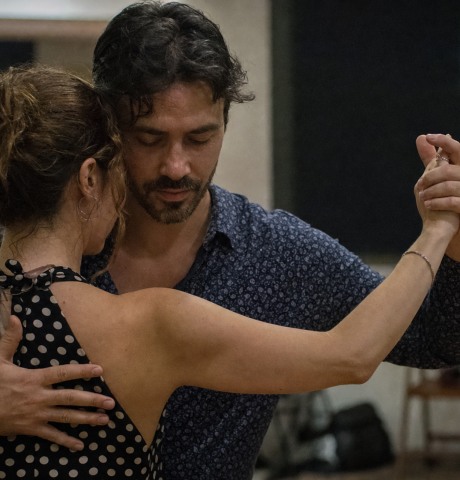
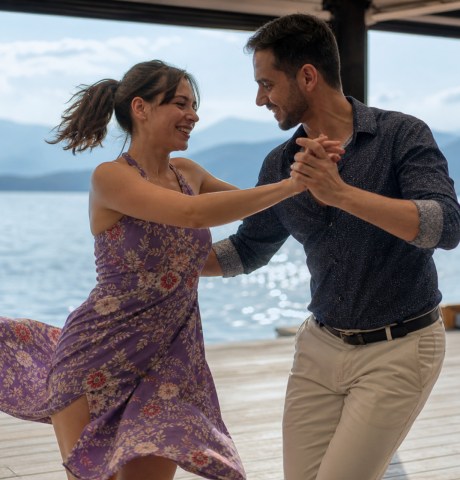
The three-quarter time in Argentine attire
Anyone hearing the sounds of Tango Vals for the first time immediately feels a familiar lightness. In contrast to the classic, often dramatic Tango Argentino in four-quarter time, the Vals is based on the classic three-quarter time of the waltz. But anyone expecting a stiff Viennese waltz here is greatly mistaken. Tango Vals retains the entire range of Argentine improvisation, yet dresses it in a flowing, almost floating attire. To grasp this musical style, a look at the counting helps: instead of the usual four beats per bar, we hear a clear one-two-three here. The first beat is usually particularly emphasized and gives the couple the necessary impulse for the next step.
The challenge for beginners lies in not simply following every beat mechanically. Anyone who tries that quickly runs out of breath and loses the connection to their partner. The art consists of learning to hear the Tango beat and deciding specifically which beats to emphasize. Often, only the heavy one is danced, while the two and the three remain in the room as a floating pause for breath. Only this conscious play with accents creates the typical, wave-like dynamic that makes the Vals so unmistakable.