How electronic beats are revolutionizing traditional dance
While traditional Tango is firmly rooted in the golden era of the 1930s and 40s, Neotango breaks with these rigid patterns. It emerged around the turn of the millennium as a creative answer to the question of how a historical dance can sound in the 21st century. Instead of relying on familiar shellac recordings, this movement uses modern production techniques, synthesizers, and urban beats. It is not about displacing the heritage, but about connecting it with today's reality of life. For dancers, this development means an enormous liberation: rigid gender roles give way to a fluid communication, where movement arises quite organically from the new soundscapes.
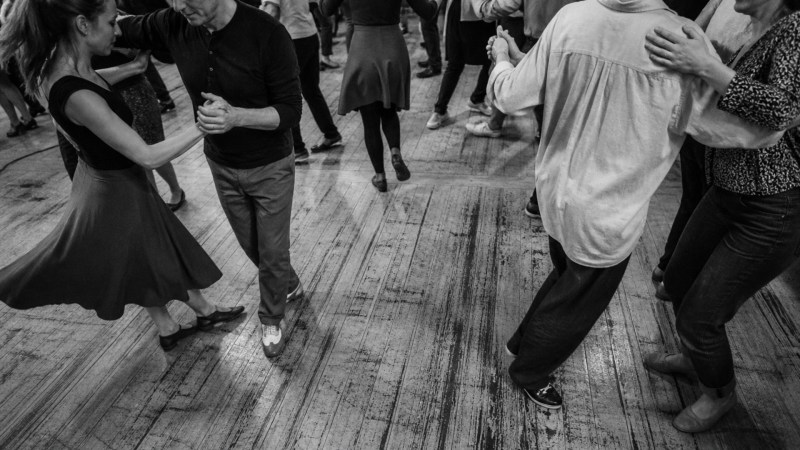
This musical evolution has also fundamentally changed dance practice. At modern milongas and Neotango events, the traditional direction of dance is usually maintained, but the movement patterns are freer and more experimental. If you have already familiarized yourself with the classical foundation, as required for dancing Tango Argentino on a crowded dance floor, you will discover completely new freedoms in Neotango. The music invites you to integrate elements from contemporary or other modern dance styles and to make the embrace more flexible.