Ballet clothes4 minutes

7 expensive mistakes when buying your first ballet clothes

By Mary De LucaUpdated

In a nutshell
  • Never buy ballet slippers that are too big or without trying them on, as they must fit like a second skin.
  • Avoid leotards that are too tight and, when in doubt, choose one size larger than your normal everyday clothing.
  • As a beginner, avoid pointe shoes, as they can cause serious injuries without years of training.
  • Choose special ballet tights instead of regular fashion tights to ensure the necessary elasticity and tear resistance.

The first step into the ballet shop is exciting, but unsuitable clothing quickly ends up in your basket. With the right knowledge, you save real money and start your first training session with confidence.

Our criteria for selecting errors

  • Practicality in class

    All recommended tips are based on the real experiences of ballet teachers for adult classes.

  • Financial benefits

    We only evaluate errors that lead to bad purchases and unnecessary costs.

  • Independent recommendations

    No manufacturer has paid for a placement or mention in this guide.

Your first piece of equipment must fit perfectly so that you can focus entirely on your posture at the pole.

The 7 most common equipment mistakes in ballet

  1. 01

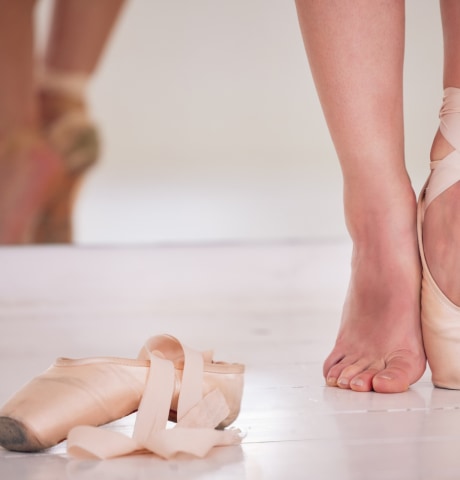
    Buying pointe shoes without approval

    Specialist retailers, by appointment only, for advanced dancers

    • Pointe shoes
    • safety
    • foot health

    Buying stiff pointe shoes without approval from your instructor is the most expensive and dangerous mistake. Without the necessary foot and core strength, you risk serious joint injuries.

  2. 02

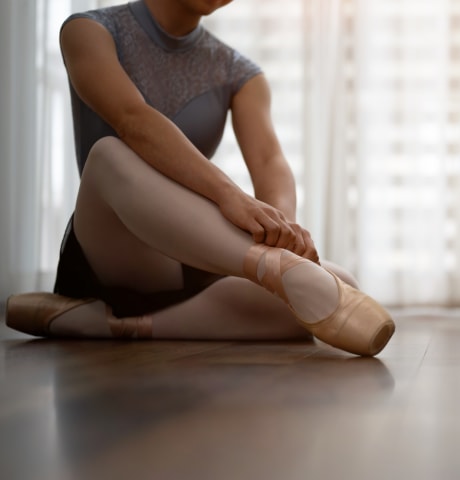
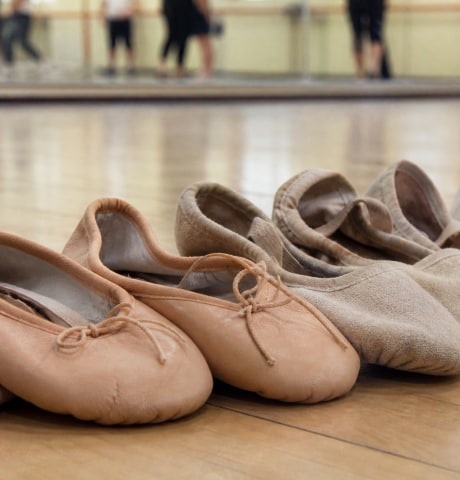
    Buying ballet slippers too big

    Ballet slippers, skin-tight, leather or stretch

    • Ballet slippers
    • fit
    • risk of slipping

    Many beginners buy ballet slippers online a size too big so they are comfortable. This causes the foot to slide inside the shoe, the toes find no grip, and precise footwork becomes impossible.

  3. 03

    Choose your normal clothing size

    Leotards, usually choose one size larger

    • Leotard
    • fit
    • freedom of movement

    Ballet brands are cut extremely small. If you stubbornly buy your normal clothing size, you will often find yourself in the studio with a leotard that cuts into you and is far too short, completely blocking your freedom of movement.

  4. 04

    Using standard fashion tights

    Ballet tights, matte, highly elastic

    • Tights
    • material
    • tear resistance

    Everyday tights do not have flat seams and will tear in the crotch during your first stretching exercise. Ballet tights are specially reinforced, highly elastic, and can withstand extreme strain.

  5. 05

    Prefer pure cotton

    Functional fabrics, dimensionally stable, breathable

    • Material choice
    • leotard
    • breathability

    Cotton leotards absorb sweat and stay wet on the skin, which quickly leads to colds. Modern microfibers wick moisture away and remain dimensionally stable.

  6. 06

    Choosing designs that are too playful

    Basic leotard, dark, without ruffles

    • Dress code
    • etiquette
    • minimalism

    Tutus and elaborate lace embellishments distract the teacher from correcting your posture. A simple, dark leotard is standard and shows your lines flawlessly.

  7. 07

    Forgo expert advice

    On-site, personal consultation, fitting

    • Consultation
    • specialty shop
    • individuality

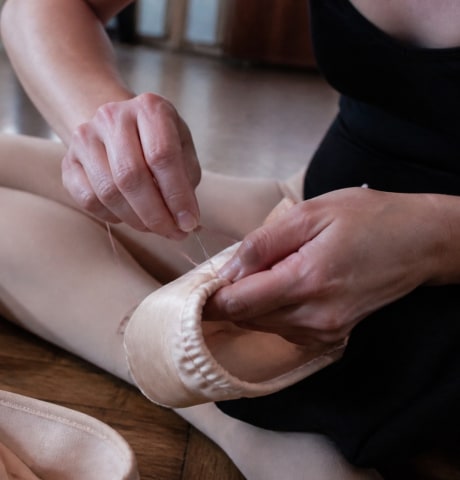
    Every foot is different. Forgoing professional advice in a specialty shop almost always leads to the shoe width or the elastic band tension not fitting your own foot.

How to avoid bad buys in the ballet shop from the start

Starting adult ballet is a wonderful adventure that trains strength, posture, and flexibility. However, during their first shopping trip to a ballet shop, many beginners are seduced by the aesthetics and reach for impractical or simply unsuitable items. A typical example is the premature purchase of pointe shoes without the necessary foot strength, or choosing materials that are too thick and restrict every movement. Skipping professional advice also quickly takes its toll when the equipment pinches or slips during training.

Finding the right balance between aesthetics and function

To avoid frustration in class, you should focus on the essentials at the beginning. A well-fitting leotard, durable tights, and perfectly fitting slippers form the foundation. If you want to know which materials are best suited for your feet, our ballet slipper material comparison will help you decide. Make sure that every piece supports your movements instead of hindering them with stiff seams or slipping straps. For the cold season or the first few minutes at the barre, it is also worth taking a look at functional ballet warm-up clothing, which protects your muscles.

Facts about the first ballet equipment

Size difference in many leotards
1-2
months of training until your first pair of pointe shoes
24+
Typical sources of error when buying for the first time
7

Frequently Asked Questions

  1. Ballet slippers must fit extremely tightly and without wrinkles, like a second skin. If they are too big, your foot will slide inside the shoe, which disrupts your balance and can lead to painful blisters.

Ballet classes for adults near you

Find the right class on udansa and try out your new gear right at the barre.

View all matching classes

Find your ballet studio on udansa

In our community, you will find like-minded people who share your passion and discover the best studios in your area to start your journey into adult ballet.

Find your ballet studio on udansa