Ballet equipment4 minutes

Leather, canvas or stretch: The ballet shoe material comparison

In short
  • Leather offers maximum stability and strengthens the foot muscles through noticeable resistance when stretching.
  • Linen impresses with high breathability and conforms softly to the foot immediately without any break-in period.
  • Stretch materials guarantee a perfect fit like a second skin and reliably prevent pressure points.
  • For sensitive feet in older age, elastic stretch slippers are usually the most comfortable choice.

Choosing the right material determines how safely and pain-free you stand on the dance floor. Find out which shoe provides optimal support for your feet during training.

DefinitionBallet slipper material comparison

The ballet slipper material comparison describes the systematic evaluation of the properties of leather, canvas, and elastic fabrics for dance shoes. This analysis helps dancers find the optimal shoe for their individual anatomical needs.

The leather classic for stability and strength

Anyone starting ballet at a mature age or returning after a break will notice that their feet have changed. They need more support, are more sensitive to pressure, and require a material that meets these changed anatomical conditions. A well-founded comparison of ballet slipper materials quickly shows that the leather classic has completely different properties than modern textile versions. Leather is extremely durable and offers noticeable resistance when stretching the foot, which specifically strengthens the foot muscles.

However, compared to elastic fabrics, leather only adapts to the individual foot shape after being worn several times. It is often stiff at first and does not immediately hug the arch of the foot perfectly. For older feet that may be prone to swelling or pressure points, this initial firmness can be a hurdle. Nevertheless, many dancers of a mature age swear by the stability that this natural material offers, especially when the focus is on a solid ballet strength training for adults.

Breathable linen for a lightweight feel

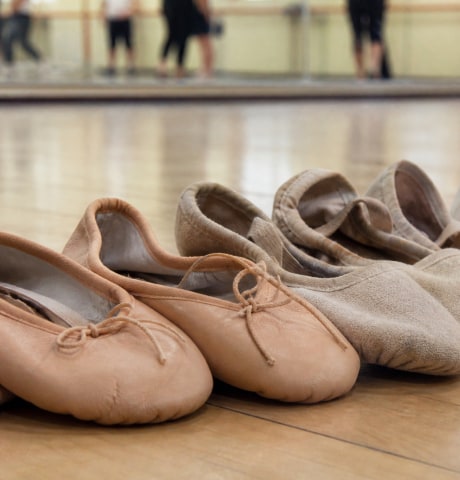
Linen, often referred to as canvas, is the airy and lightweight alternative for training at the ballet barre. In a direct comparison of ballet shoes made of leather or linen, the textile fabric scores primarily due to its excellent breathability. Your feet sweat significantly less, which ensures a pleasant microclimate, especially during more intensive sessions in the studio. In addition, linen is usually easy to clean and hugs the foot softly from the very first moment, without the need for a long break-in period.

The disadvantage, however, lies in the lack of elasticity of the classic canvas fabric. If your foot expands minimally during training, the material does not give way. It also sometimes forms small wrinkles under the foot when the instep is extremely stretched, which can disturb the visual line. Nevertheless, many late starters appreciate the ground-level, lightweight feel of linen, as it allows for excellent feedback regarding contact with the dance floor.

How to find the right material for your feet

Correct

  • Choose leather for maximum stability and support in the joint
  • Use linen for an airy and breathable feel
  • Prefer stretch fabrics for sensitive feet and pressure points

Wrong

  • Force leather if your feet tend to swell painfully
  • Wear linen if you want a perfectly wrinkle-free look
  • Use stretch if your ankle needs strong external support

In adult ballet, the choice of material often determines whether someone stays with it with joy or gives up prematurely due to aching feet.

Ballet instructor, Hamburg

Modern stretch fabrics for maximum flexibility

The modern answer to the needs of demanding feet is stretch materials. These are usually highly elastic cotton or synthetic blends that hug the foot like a second skin. The advantages of stretch ballet slippers are obvious: they offer an unsurpassed fit that elastically follows every movement of the arch of the foot, without constricting or causing pressure points on the toes.

Especially those who value an aesthetic line benefit from the stretchability, as the shoe visually perfectly highlights the footwork. However, pure stretch slippers offer significantly less inherent stability than firm leather shoes. Anyone looking for additional support for the joints or wanting to compensate for unstable ankles sometimes misses the necessary hold here. For learning precise alignment, such as the ballet foot positions, they are nevertheless an excellent and very comfortable choice due to their flexibility.

Two ways to the perfect training feeling

Stability

Leather for structure and strength

Firm support for demanding training

Leather offers a firm frame that provides stability to the ankle and actively challenges the muscles through the natural resistance of the material.

Comfort

Stretch for pain-free movement

Flexibility for sensitive feet

Stretch fabrics adapt flexibly to any foot shape, prevent pressure points on sensitive toes, and emphasize the visual line of the foot.

Frequently Asked Questions

  1. Leather is extremely durable and offers the ankle noticeably more support. Canvas, on the other hand, is more breathable, allows the foot to breathe, and wrinkles less when stretching the arch.

Ballet classes for adults near you

Find the right dance school and start your first trial lesson in a relaxed atmosphere.

View all matching classes

Don't find your ballet happiness alone

On udansa, you can find top-tier dance schools and like-minded people in your area to fully live out your passion for ballet at a mature age. Discover courses that perfectly match your needs and your training level.

Don't find your ballet happiness alone