Ballet wear5 minutes

Leotard cuts: Which design flatters your figure

In a nutshell
  • A well-chosen leotard supports the anatomical lines of the body and makes your posture clearly visible to the instructor.
  • For larger busts, leotards with wide straps, integrated shelf bras, and high necklines offer the best support.
  • A low-cut back visually lengthens the torso and makes it easier to check the alignment of your spine.
  • Sleeveless leotards emphasize the shoulder line, while models with three-quarter sleeves visually elongate and frame your arm movements.

The right ballet leotard gives you the necessary freedom of movement in the studio and the self-confidence to focus entirely on your posture. Learn how different cuts harmoniously support your silhouette.

DefinitionLeotard

The leotard, often referred to as a bodysuit in ballet, is the traditional, one-piece garment for dance training. It fits tightly to the body to make every muscle movement and the exact posture of the spine controllable in the mirror.

The right fit for aesthetics and function

Choosing the right ballet leotard is about much more than personal taste for adult dancers. In classical ballet, clothing serves a functional purpose: it must make every movement of the spine and the alignment of the pelvis visible to the instructor, while providing the dancer with support and self-confidence. Various cuts of ballet leotards for women are specifically designed to support the anatomical needs of adult bodies and visually harmonize them. A well-chosen cut balances proportions, elongates the line of the neck, and ensures that you can focus entirely on your technique during training.

For women with a fuller bust, the search for the right leotard is often associated with the worry of lacking support. A classic ballet leotard for a large bust is characterized by integrated bra inserts, a supportive underbust band, or gathered chest areas that provide structure to the fabric. Wide straps distribute weight evenly across the shoulders and prevent digging in during intense port-de-bras movements. Those looking for additional stability should opt for models with a moderate stand-up collar or an elegant boat neckline, which offer maximum coverage and security in the décolleté area.
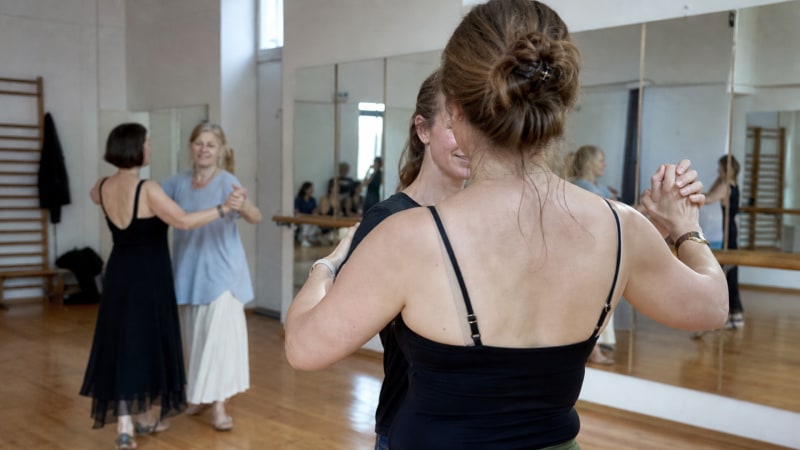
The right cut at the back and shoulders ensures a clear view of the spine and supports the precise alignment of the body.

How the back neckline shapes the silhouette

The design of the back defines the entire silhouette at the ballet barre. A deep back neckline in a leotard and its advantages lie primarily in the visual lengthening of the upper body and the unobstructed visibility of the shoulder blades. Dance instructors can thus immediately correct whether the shoulders are flowing low and the spine is properly aligned. For women with broader shoulders or a pronounced swayback, V-shaped cuts on the back are particularly suitable, as they visually stretch the lines and bring them together towards the center.

A round back neckline, on the other hand, appears soft and classic, while crossed strap constructions or inserts made of firm mesh material offer additional support without blocking the view of the muscles. If you want to wear a supportive bra under your leotard in everyday life, you should look for cuts whose back closure sits high enough to make the underwear disappear invisibly underneath. This is how you combine professional aesthetics with your accustomed comfort.

Choice of cut for optimal comfort and support

Correct

  • Choose wide straps for noticeable relief of the shoulders
  • Use V-necks to visually elongate the neck
  • Use integrated breast supports for secure hold during jumps
  • Choose mesh inserts on the back for stability and ventilation

Mistakes

  • Wearing thin spaghetti straps with a heavy bust
  • Choosing necklines that are too deep, causing them to slip when leaning forward
  • Forgoing supportive inner linings for a large bust
  • Wearing uncomfortable cuts that dig into the crotch

A perfectly fitting leotard is like armor made of elegance. It gives the dancer the physical confidence she needs to fully surrender to the art.

Ballet instructor, Hamburg

Sleeve styles and their effect on the arm line

The sleeve length of a leotard not only influences how warm you feel in the studio, but also changes the perception of your arm lines in the room. A ballet leotard with sleeves, whether short, three-quarter, or long, frames the upper body and draws focus to the movement of the hands. A long-sleeved leotard visually elongates short arms, especially when it is in a dark, solid color. Three-quarter sleeves emphasize the wrists and are perfect for highlighting the soft movements of the port de bras.

If you want to make your shoulder area appear narrower, you might prefer leotards with cap sleeves or raglan cuts. These break up the horizontal line of the shoulders and make the neck appear longer. If you are just starting your training, it is also worth taking a look at our guide on posture at the ballet barre to support your newly gained line with the right technique. Regardless of the sleeve length, the rule is: the material must fit like a second skin without cutting in under the arms or restricting the freedom of movement of the shoulder joints.

The effect of leg cutouts in comparison

Leg cut

High leg cut

For visually elongated legs

Leotards with a high leg cut visually elongate the legs in the mirror. They are particularly suitable for shorter dancers who want to emphasize their vertical line, but they require an optimal fit at the hips so that nothing slips during training.

Leg cut

Low leg cut

For maximum support and coverage

A low, classic leg cut offers maximum coverage and a high sense of security during large steps and jumps. It flatters dancers with long legs and ensures an absolutely slip-free fit over tights.

Frequently Asked Questions

  1. For a larger bust, leotards with wide straps, a boat neckline, or an integrated bra insert with an underbust band are suitable. These cuts offer stability, prevent slipping during jumps, and relieve the neck.

Ballet for adults near you

Find the right course and try out your new leotard right at the barre.

See all matching courses

Your way to the ballet barre

On udansa you will find the right ballet class in your area and meet other dance enthusiasts who share your passion. Use our search to find your dance happiness at the barre.

Your way to the ballet barre