Mental fitness5 minutes

Coordination test for seniors: How fit is your dance brain?

In a nutshell
  • A coordination test for seniors playfully demonstrates the interplay between a sense of rhythm and cognitive responsiveness on the dance floor.
  • Regular dancing challenges the brain by simultaneously processing music, steps, and spatial orientation.
  • The self-test for advanced age evaluates personal adaptability to different dance situations without making any medical claims.
  • The results provide practical tips on how to further strengthen mental fitness and movement security through targeted training.

This playful self-test helps you assess your dance-specific coordination and mental reaction speed. Find out where your strengths lie on the dance floor and how you keep your brain fit.

Why dancing is the ultimate brain workout

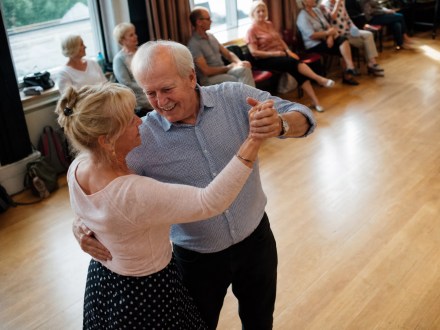
Music on, feet moving: dancing is far more than just a nice hobby. It challenges our brain in a unique way, as we have to listen to the beat, maintain our balance, and anticipate our partner's movements all at the same time. As we get older, the way our brain processes these stimuli changes. A senior dance class for health not only keeps the body flexible, but also specifically strengthens neural connections.

The good news is: the brain remains adaptable well into old age. Anyone who regularly tries out new step combinations is actively engaging in mental exercise. It is not about a perfect, stage-ready performance, but about the joy of movement and playfully mastering new challenges. With our self-test, you can easily find out how your reaction speed and sense of rhythm are currently doing.
Take the coordination test for your dance brain

  1. How do you react when the music on the radio suddenly changes tempo?

    • A: I adapt my movements quite intuitively and smoothly to the new beat
    • B: I immediately start a new step and am directly in the new rhythm
    • C: I need a brief moment to reorient myself and then continue dancing
  2. What do you find easiest when learning a new sequence of steps?

    • A: Internalizing the feeling for the rhythm and the mood of the dance
    • B: Quickly memorizing the logical sequence of the steps
    • C: Mastering the coordination of footwork and upper body at the same time
  3. How do you behave on a crowded dance floor when someone blocks your path?

    • A: I glide elegantly to the side without interrupting the flow of my movement
    • B: I stop immediately and skillfully dodge with a quick step
    • C: I adjust my step size and calmly look for a new clear path
  4. How do you know after a night of dancing that your brain has been properly challenged?

    • A: I feel emotionally uplifted and deeply relaxed
    • B: I feel a pleasant mental clarity and focus
    • C: I am happy about the successful interaction between body and mind

Your evaluation

Mostly A: The rhythm specialist

You possess an excellent sense for music and can move quite intuitively to various rhythms. Your strength lies in the harmonious flow of movement, which gives you a great presence on the dance floor. To challenge your cognitive flexibility even further, you can specifically try to incorporate more complex step sequences or sudden changes of direction into your dancing.

Mostly B: The reaction pro

Your mental reaction speed is highly developed, and you can adapt to new situations in a flash. You always keep an overview, even during rapid tempo changes, and react flexibly to your surroundings. Use this gift to venture into more demanding dances or to connect your movements even more smoothly and fluidly with the music.

Mostly C: The all-rounder with balance

You bring a wonderful balance of intuition and logical thinking to the dance floor. You grasp both the mood of the music and the structure of the steps very well, and you can harmonize both with each other. To continue developing, you can occasionally consciously switch the leading role or try out completely new dance styles.

Profiles in direct comparison

CriterionRhythm SpecialistReaction ProBalanced All-rounder
Main strengthIntuitive sense of rhythmQuick adaptationEven coordination
ChallengeComplex choreographiesSmooth transitionsVery fast tempo
Best training partnerReaction ProRhythm SpecialistLike-minded all-rounders
Recommended focusCognitive gamesFluid movementsTesting new dance styles

The assessments are based on the typical requirements of the respective profiles when dancing over 50.

udansa tip

When you have mastered the steps, try closing your eyes for a few seconds while dancing. This trains your depth perception and balance enormously.

How to use your test result for more energy in everyday life

A test result is always just a snapshot and shows you, above all, in which areas you can further tap into your potential. If you notice that fast rhythms or sudden changes in direction are difficult for you, this is no reason for concern, but a wonderful incentive. Our brain learns through repetition and positive emotions, which arise quite automatically when dancing.

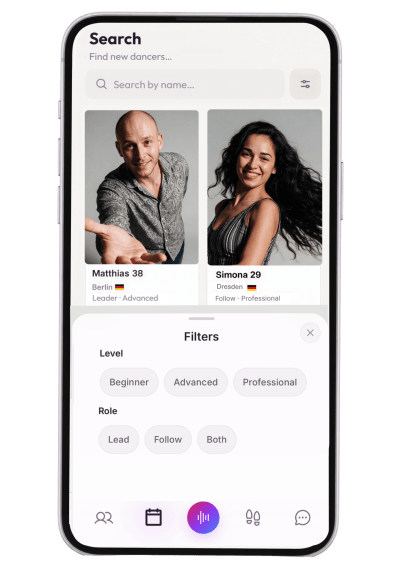
To specifically expand your skills, you can incorporate small exercises into your everyday life. For example, try standing on one leg while brushing your teeth or consciously tapping the beat on your thigh with your fingers while listening to music. For deeper training and plenty of socializing, attending a dance course is recommended. On udansa, you can easily search for suitable offers in your area and meet like-minded people who, just like you, want to stay active.

Frequently Asked Questions

  1. A coordination test for seniors assesses how well the brain controls movements and reacts to external stimuli. In dancing, this is particularly evident in the subtle interplay of rhythm, balance, and the quick execution of steps.

Discover senior dance near you

Find the perfect dance course in your area now and add some swing to your life.

View all matching courses
udansa community

It is best to dance together

On udansa you will find like-minded people in your region who share your passion for music and movement. Discover suitable courses and make new contacts on the dance floor.

It is best to dance together