Swing dances4 minutes

The big swing dance style comparison: Lindy Hop, Balboa & Shag

In a nutshell
  • Lindy Hop is considered the most versatile swing dance and is characterized by its dynamic, expansive movements and the typical eight-count structure.
  • Balboa focuses on a very close dance position with fast, precise steps on the balls of the feet and is perfectly suited for extremely fast music and crowded dance floors.
  • Collegiate Shag brings pure slapstick character and an intense cardio workout to the dance floor with its bouncy, energetic steps and upright posture.

The world of swing dances is fascinating due to its energy, zest for life, and the freedom to improvise. Find out which of the historical dances best suits your sense of rhythm and your fitness level.

How dance trends emerge away from social media feeds

While fashion trends emerge and fade overnight on social media, developments in the dance world move at a completely different pace. New movements here do not spread primarily through viral video feeds, but organically from person to person on dance floors, at festivals, and in local classes. A new style or variation usually establishes itself over months or years, as dancing together requires real interaction, body awareness, and learning steps. Anyone looking for a dance class for beginners today will quickly encounter the vibrant Swing community, which is characterized by a particularly open, social culture.

Compared to classic ballroom or Latin dances, the focus in Swing is not on rigid perfection, but on improvisation and the connection to the music. This approachability makes vintage partner dances a true lasting trend. The scene is growing steadily because at so-called socials, the open dance evenings, the fun of trying things out together is more important than flawless step sequences. Once you have been bitten by the Swing bug, you will appreciate exactly this casual atmosphere away from the classic ballroom.

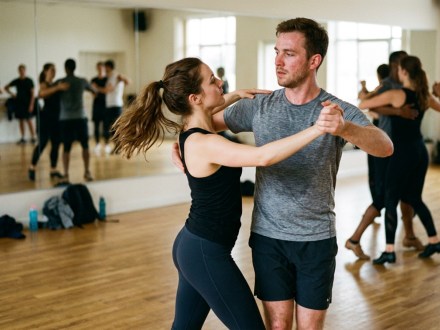
Spontaneous joy of life instead of rigid dance posture: The magic of swing is created through the connection in the moment and laughing together about missed steps.

An overview of the three most important swing styles

  • Lindy Hop

    Lindy Hop is the undisputed king of the swing era, combining partner work with solo jazz elements. It originated in the late 1920s in New York and is characterized by its elastic connection (stretch) and spectacular turns. If you are looking for an extremely versatile dance where creativity and musicality take center stage, learning Lindy Hop is exactly the right choice for you.

    • Dynamic
    • acrobatic
    • eight-count
  • Balboa

    Balboa originated in the 1930s on the US West Coast on the extremely crowded dance floors of the Balboa peninsula. Since there was hardly any space available, you dance it in very close chest-to-chest contact with minimal, yet lightning-fast foot variations. It is perfect for very high music tempos and for anyone who appreciates subtle, almost invisible communication within the pair.

    • Close
    • Elegant
    • Fast footwork
  • Collegiate Shag

    Collegiate Shag was particularly popular among American students in the 1930s. It is an extremely energetic dance that stands out due to its upright posture and characteristic, hopping kick steps. udansa brings good vibes instantly, requires good stamina, and is the ideal dance for anyone who wants to really burn off energy to fast music.

    • Hopping
    • Wild
    • High energy

Where the vintage movement comes from and where it is heading

The current trends in the swing scene have their roots in the African American communities of the 1920s to 1940s, particularly in the Harlem district of New York. From there, dances like Lindy Hop began their triumphant journey around the world. Today, we are experiencing an exciting return to these roots, combined with modern influences. Trends are moving away from purely show-oriented acrobatics toward sensitive communication within the pair and rhythmic diversity. The classic understanding of roles is also breaking down, so that more and more dancers are learning both leading and following.

Those who want to dive deeper into this world often ask themselves how to get started. A well-founded self-test for partner dances can help to categorize your own preferences regarding tempo and physical closeness. While some styles take up a lot of space on the dance floor, others were developed specifically for tight, crowded rooms. The journey through the swing era offers the right niche for every temperament and fitness level, waiting to be discovered on local dance floors.

In swing, we don't dance for judges, we dance for our partner and the band. Every mistake is simply an invitation for a new, unexpected movement.

swing dance instructor, Hamburg

Mastering swing dynamics

How to get started

  • Listen to the pulse of the music and adapt your basic step flexibly
  • Maintain stable upper body contact in a close dance hold for Balboa
  • Dance with different partners at socials to train your leading and following skills

Things you should avoid

  • Memorizing rigid step sequences and performing them without any connection to the music
  • Taking steps that are too large during fast Shag and running out of breath
  • Getting stressed over mistakes instead of laughing about them together

Frequently Asked Questions

  1. The main difference lies in the space required and the dance posture. Lindy Hop uses open positions and expansive turns, while Balboa is danced almost exclusively in a very close, connected upper body frame in a very confined space.

Discover swing courses near you

Find the right dance school and learn the basics of Lindy Hop, Balboa, or Shag.

View all matching courses
udansa community

Find the perfect swing partner

On udansa you will find like-minded people in your region who share your passion for Lindy Hop, Balboa, or Shag. Simply create your profile and discover dance partners to hit the next swing party with.

Sources

Empirical values from the active German swing dance scene as well as common teaching practices at international swing festivals, as of August 2026.