Hip Hop history6 minutes

Classic Hip Hop albums in dance history

In a nutshell
  • Legendary Hip Hop albums significantly shaped the development of urban dance styles like Breaking, Popping, and Hip-Hop-Freestyle through their innovative rhythms and breakbeats.
  • The golden era of the late 1980s and 1990s provided the rhythmic foundation for the typical bounce in dance with its complex boom-bap grooves.
  • Specific albums by artists like Eric B. & Rakim, A Tribe Called Quest, or Dr. Dre permanently changed the tempo and dynamics on dance floors.
  • A deeper understanding of these classic albums trains musicality and helps dancers to precisely interpret complex rhythmic structures in freestyle.

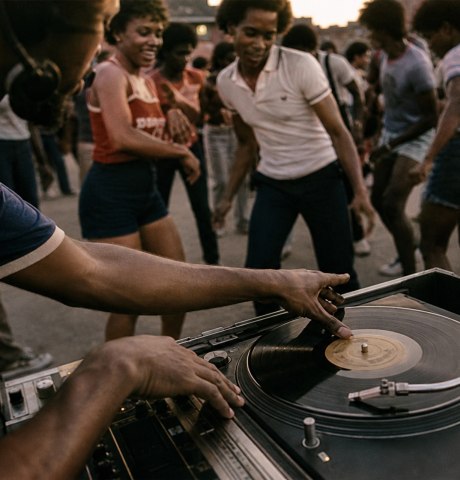
The evolution of urban dance is pressed directly into the grooves of legendary records. It was the groundbreaking rhythmic structures of visionary producers that gave dancers worldwide the beat for entirely new forms of movement.

How we selected the albums

  • Rhythmic influence

    Only albums that demonstrably provided new rhythmic impulses for the urban dance scene were evaluated.

  • Cultural relevance

    The albums must have had a worldwide influence on dance crews and choreographers in the history of Hip-Hop.

  • No paid placements

    The selection was made independently and is free from financial contributions or sponsorship deals from music labels.

Only the right beat gets the body moving: the rhythms of classic albums still define the groove in the dance studio today.

The 10 most influential Hip-Hop albums for dancers

  1. 01

    Eric B. & Rakim, Paid in Full

    USA, 1987, milestone of the sampling era

    • Boom Bap
    • Golden Era
    • Breakbeats

    This album is considered the rhythmic birth of modern Hip-Hop dance. The revolutionary loop technique of Eric B. and the precise rhymes of Rakim created a hypnotic, driving groove that drew dancers straight from the clubs into the cyphers.

  2. 02

    A Tribe Called Quest, The Low End Theory

    USA, 1991, Perfect symbiosis of jazz and rap

    • Jazz Rap
    • Native Tongues
    • Groove

    With their warm jazz samples and relaxed, yet highly danceable rhythms, A Tribe Called Quest defined the intellectual "Native Tongues" sound. The organic beats invited fluid, springy steps and sophisticated social dancing.

  3. 03

    Dr. Dre, The Chronic

    USA, 1992, The sound of the Californian summer

    • G-Funk
    • West Coast
    • Slow Beats

    With this work, Dr. Dre completely redefined the sound of the West Coast. The heavy, dragging synthesizer basses and the slow, rolling rhythm laid the foundation for G-Funk, which massively inspired the popping and locking scene in California in particular.

  4. 04

    Wu-Tang Clan, Enter the Wu-Tang (36 Chambers)

    USA, 1993, The raw sound of Staten Island

    • Hardcore Rap
    • Boom Bap
    • Raw Beats

    With raw, unpolished funk loops and a dark atmosphere, the Wu-Tang Clan created an extremely hard, minimalist rhythm. The unpredictable beats demanded explosive movements, quick changes of direction, and pure energy from dancers.

  5. 05

    Gang Starr, Hard to Earn

    USA, 1994, The essence of the New York underground

    • East Coast
    • boom bap
    • DJ culture

    This album captured boom bap in its purest form. DJ Premier created beats with surgical precision, whose razor-sharp snares and punchy kicks are still used today in every hip-hop dance class as the ultimate timekeepers.

  6. 06

    Nas, Illmatic

    USA, 1994, The poetic masterpiece of the East Coast

    • East Coast
    • Boom Bap
    • Lyricism

    The legendary debut album by Nas combines poetic lyrics with the best productions from the New York elite. The dense, atmospheric rhythms required high musicality from dancers to interpret the subtle nuances between the beats.

  7. 07

    The Fugees, The Score

    USA, 1996, International rhythm mix

    • Reggae Fusion
    • Soul
    • Alternative Hip Hop

    The Fugees combined reggae influences, soul, and classic Hip-Hop into an extremely rhythmic and catchy total work of art. The off-beat rhythms and melodic passages opened the dance world to Caribbean influences and fluid hip movements.

  8. 08

    Redman, Whut? Thee Album

    USA, 1992, driving rhythms for fast steps

    • Funk Rap
    • East Coast
    • High Energy

    This album is a true feast for dancers who love fast footwork. The energetic, often funk-inspired beats get your pulse racing and are perfect for dynamic choreographies and explosive B-Boy sets.

  9. 09

    Mobb Deep, The Infamous

    USA, 1995, The dark side of the New York groove

    • Queensbridge
    • Boom Bap
    • Dark Beats

    With a perfect mix of hard street sounds and extremely danceable, funky basslines, Mobb Deep created a masterpiece of the dark era. The extremely consistent, heavy rhythm literally forces the body into a deep, controlled bounce.

  10. 10

    Slum Village, Fantastic, Vol. 2

    USA, 2000, guide to modern musicality

    • Detroit
    • Neo-Soul
    • syncopated rhythms

    This album brought a completely new, almost futuristic rhythm to Hip-Hop. The unconventional, often syncopated beats by Jay-Dee (J Dilla) challenged dancers to break away from common counting patterns and explore completely new paths in freestyle.

How beats and rhythms shaped dance style

The evolution of Hip-Hop dance is inextricably linked to the development of music. As producers began using more complex drum machines and innovative sampling techniques in the late 1980s and early 1990s, the dynamics on the dance floor changed fundamentally. The hard, minimalist boom-bap rhythm of the US East Coast demanded a deep, earthy bounce from dancers, while the melodic, funk-laden sound of the West Coast favored more fluid, rolling movements. Anyone who understands the art of sampling and the emergence of breakbeats quickly grasps why certain albums still serve as rhythmic blueprints for choreographers worldwide today.

Each era brought forth its own dance styles, which reacted directly to the frequencies and tempos of the respective records. The classic party dance of the Golden Era is based on the driving, jazzy loops of that time, while later productions with their syncopated hi-hats and heavy bass lines placed entirely new demands on isolation and timing. Anyone who engages intensively with these musical milestones trains their ear for the subtle nuances in the beat. This deeper understanding helps you to react spontaneously to rhythm changes during freestyle, instead of just reeling off pre-learned step sequences. The albums of the golden era are therefore much more than just music history, they are the foundation upon which modern street dance culture is built.

Dance history in numbers

Classic albums in focus
10
Years of origin of the classics
1987+
Popular dance styles to these beats
5+

Frequently Asked Questions

  1. Boom Bap is a 90s hip-hop subgenre based on a hard kick drum (boom) and a sharp snare (bap). This constant rhythm forces the body into a deep, rhythmic bounce, which forms the foundation for almost all old-school dance steps.

Hip-Hop courses near you

Find the right course and learn how to physically translate the legendary beats of dance history.

View all matching courses

Find your dance partner for Hip-Hop

On udansa you will find like-minded people who share your passion for urban beats. Make connections in your region and discover dance courses that challenge your rhythm.

Find your dance partner for Hip-Hop