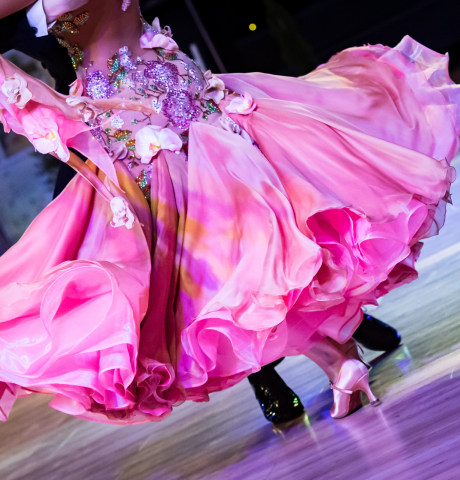
The step from a social dance class to performance-oriented training
The moment a casual hobby turns into a real competitive sport usually announces itself quietly. While I felt comfortable in my weekly dance class, at some point, simply memorizing new figures was no longer enough. I wanted to know what perfect balance feels like, how footwork in the Waltz precisely starts on the heel, and how we as a couple can develop a dynamic presence on the floor. The decision to make the switch from recreational dance to competitive dance sport was not a sudden leap, but a gradual process that began in the mind. The desire for more precision turned into a need for real, performance-oriented training.
The transition from relaxed social dancing to organized tournament training in a club brings a completely new structure with it. Suddenly, it is no longer about stringing together as many complex figure sequences as possible, but about perfecting the absolute basics. Anyone who takes this step quickly realizes that small details determine the impact on the dance floor. A clean orientation in space in Ballroom dance is vital for survival in the crowded field of the D-class. Training shifts from the dance school to the sports club, where licensed coaches examine every step under a magnifying glass. This focus on the pure quality of movement fundamentally changes your own body awareness.
In addition to technique, competitive sport also demands a completely different physical condition. While you take a short break after every song in a dance class, a tournament requires peak performance in several dances in a row. Without targeted cardio training for Ballroom dancers, you quickly fall behind on the floor. My personal report on entering tournaments with the DTV shows: The path is exhausting, but the feeling when hard work pays off in a dynamic, effortless round is incomparable to anything in recreational dance.