The theatrical joy of life in the port city of Alexandria
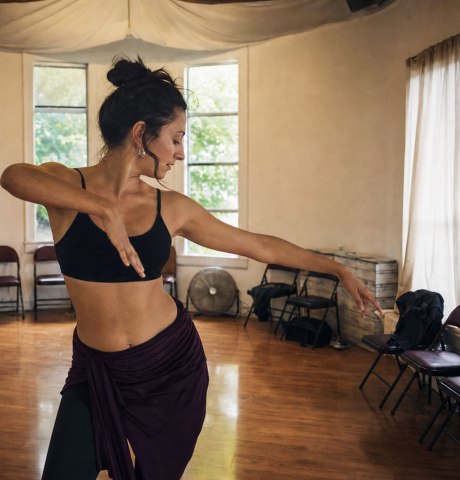
Eskandarani is a fascinating phenomenon in Egyptian dance history. It originated in the Mediterranean port metropolis of Alexandria and differs fundamentally from the classic, often melancholic or highly solemn styles of Raqs Sharqi. At its center is the flirtatious, theatrical play with the Melaya veil. Historically, the Melaya Laff is a heavy, black cotton cloth that served women in early 20th-century Alexandria as a warming and protective wrap in everyday life. On stage, through the pioneering work of dance legends and choreographers like Mahmoud Reda, this garment was transformed into a highly effective prop for humorous flirting.
In contrast to other styles, where the veil is often used only briefly as an entrance element, the Melaya remains the focus throughout the entire Eskandarani piece. The dancer wraps herself in it, lets the cloth slide seemingly by accident off her shoulders, gathers it flirtatiously around her hips, or uses it to playfully hide her face and, in the next moment, peek out again with a radiant smile. Typical of this Egyptian folklore are also the costume props, such as a short, colorful dress with ruffles, eye-catching jewelry, and sometimes even colorful plastic mules with heels, which underscore the image of a self-confident, modern woman from the port city. If you appreciate the playful handling of fabrics, you will find further inspiration for fluid movements in the veil dance in belly dance.