

Dance safely with udansa
Find like-minded dance enthusiasts near you on udansa who value a safe and considerate environment just as much as you do. Sign up and build your dance community!

By Mary De LucaUpdated

Find like-minded dance enthusiasts near you on udansa who value a safe and considerate environment just as much as you do. Sign up and build your dance community!
A full dance floor is bursting with energy, but it also demands a lot from you. With a few simple tricks, you can always keep track of things and protect yourself and your partner from painful collisions.
Social dance safety refers to the shared effort of all dancers on the floor to avoid injuries and collisions through mutual consideration, adjusted step sizes, and moving with foresight.
The magic of a social dance night unfolds most beautifully when the dance floor is buzzing and the music carries everyone away. However, the more crowded the room becomes, the faster the harmonious interaction turns into a confusing scramble. This is where proactive behavior is required. Safety on the dance floor begins in your own mind and with a conscious awareness of your surroundings. It is not about showing off the most complex moves, but about protecting yourself and the other couples in the room.
Especially with dynamic lead & follow in partner dance, both partners share a joint responsibility. While the leader sets the path and must navigate around obstacles, the follower acts as an important second pair of eyes for the blind spot. Anyone who understands the dynamics of the dance floor can identify potential sources of danger early on and navigate around them elegantly, even before an unpleasant collision occurs.

A common misunderstanding in social dance is the belief that you must complete a dance figure's path at all costs. When space becomes tight, however, flexibility is required. The secret lies in adapting your own movements and consciously saving space while dancing. This means: taking smaller steps, executing turns more compactly, and keeping your arms close to your own body and that of your partner.
Expansive styling elements, hands stretched out wide, or uncontrolled kicks are the main causes of painful accidents while dancing. Anyone who controls their movements and stays within their own dance box not only protects themselves but also signals respect to the couples around them. Considerate regard for others on the dance floor ensures that the energy remains positive and everyone can enjoy the evening stress-free.
That is how
Don't do this
Safety on the dance floor has nothing to do with a lack of skill, it is the clearest sign of true dance partnership and genuine professionalism.
If things get tight despite all caution, the right protective posture is crucial. Leaders should be able to gently pull or turn their partner out of a danger zone at any time. Followers, in turn, should maintain stable body tension to be able to react immediately to sudden changes in direction. Your own elbows should never point sharply outwards, but rather serve as a soft buffer.
Choosing the right equipment also helps you prevent accidents. Non-slip soles and stable heels give you the necessary grip to be able to brake abruptly or dodge in an emergency. Anyone who has looked into the right models beforehand, for example in the guide on dance shoes for social dance in comparison, already has the best prerequisites for a safe and stable stance.
The role of the navigator on the full dance floor
You bear the main responsibility for navigating the space. Your gaze is always directed in the line of dance, and you adapt your figures dynamically to the available space to protect your partner.
The role of the attentive co-pilot
You maintain good muscle tone and trust the lead. At the same time, you use your perspective to warn the lead of impending collisions in their blind spot by applying light hand pressure.
When space is extremely limited, you should halve your step size and avoid expansive figures. Keep your elbows low and your arms close to your body to avoid bumping into anyone.
The leader bears the main responsibility for movement in the room, as they dictate the direction of the dance. Nevertheless, the follower must also remain attentive and keep an eye on obstacles behind their partner.
If a collision occurs despite being careful, apologize briefly with eye contact and a friendly hand gesture, even if you were not the one at fault. Continue dancing promptly and facing away from the incident.
Learn the right technique for maximum control and safety on every dance floor.
 Lead & Follow: Partner dance as teamworkLeading and following is more than just telling and trailing. Learn how to harmonize perfectly as a leader and follower on the dance floor with udansa!
 Ball Season Etiquette: Do's & Don'ts for the WaltzA dance ball is elegant and sometimes a bit intimidating. This ball season etiquette guide shows you the most important do's & don'ts so you can move on the dance floor with confidence, respect, and ease.
 Harmony in partner dance: giving feedback without conflictHow do you give feedback correctly while dancing? Learn the basics of dance communication to grow as a couple without killing the vibe.
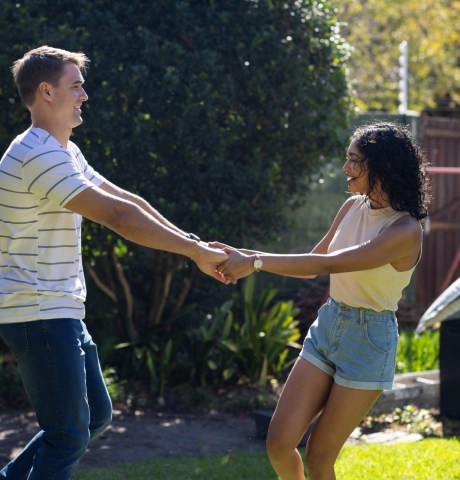 Social Dance Etiquette: Guidelines for stress-free dancingThe social dance etiquette is your guide to respectful interaction on the dance floor. Get to know the unwritten rules of social dancing.
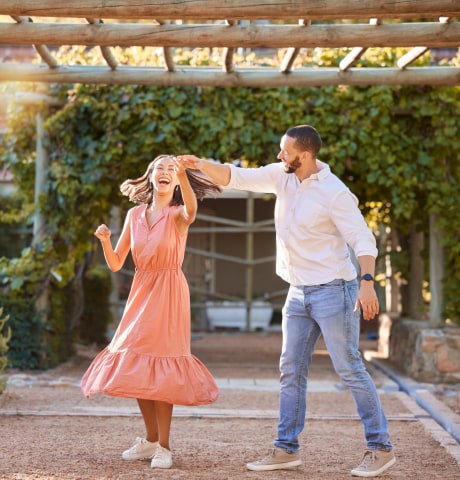 Watching others dance: Etiquette off the floorMaintaining proper etiquette off the dance floor ensures a relaxed atmosphere for everyone. Learn how to shine on the sidelines of the dance floor.
 The 7 biggest no-gos on the social dance floorAvoid the most significant behavioral mistakes on the social dance floor. This guide shows you how to move respectfully and become a sought-after dance partner.
 Apologizing after a collision on the dance floorBumping into someone on the dance floor happens to everyone. Follow these simple steps to apologize elegantly and de-escalate the situation immediately.
 Switching dance partners: The guide for socialsShould you constantly switch partners at social dances or stick to one person? We explore the pros and cons for your progress as a dancer.
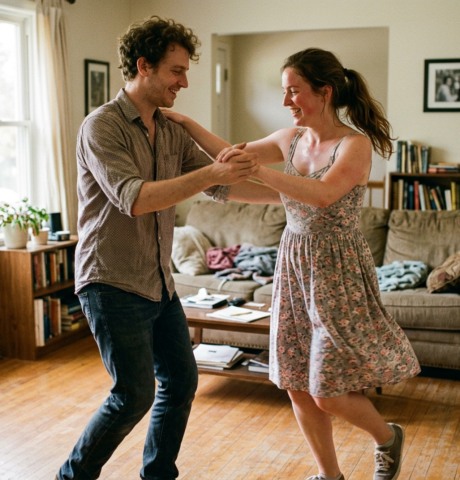 Dancing with beginners: 5 tips for advanced dancersAs an experienced dancer, you share responsibility for the atmosphere on the dance floor. With these five tips, you can dance respectfully with beginners and avoid overwhelming them.Harmony in partner dance: giving feedback without conflictHow do you give feedback correctly while dancing? Learn the basics of dance communication to grow as a couple without killing the vibe.