Dance partner4 minutes

Dance partners by height in Berlin: Lead and follow in harmony

By Mary De LucaUpdated

In a nutshell
  • A height difference of ten to fifteen centimeters is considered ideal for a stable dance posture in classical ballroom dancing.
  • Tall dance partners in Berlin should lower their arm position to the shoulder height of the person following to avoid neck tension.
  • Smaller differences of up to five centimeters can be easily compensated for by the heel height of the dance shoes.
  • A targeted search for body height via udansa saves you from long periods of trial and error and prevents posture problems from the very beginning.

A significant difference in height presents couples with practical biomechanical challenges. Anyone who understands how levers and axes work together can dance completely relaxed, even with a twenty-centimeter difference.

DefinitionDance partner height

Dance partner height refers to the ratio of the physical measurements of two dancers, which directly influences the leverage in the dance frame and the stride length.

Why body measurements in partner dance are about more than just looks

Anyone who is particularly tall or petite knows the hurdle: on Berlin dance floors and in courses, chance often decides who has to get comfortable with whom during the first partner dance. If you are 1.95 meters tall and want to dance ballroom with someone who is 1.55 meters tall, biomechanical differences collide. However, this by no means implies that harmonious dancing is impossible. Anyone who consciously uses dance partner height in Berlin as a search criterion saves themselves from neck tension and tedious leverage effects in the dance frame.

Especially in Berlin, the spectrum of dancers is huge, yet this is exactly where many search for months in vain for the right counterpart. Instead of blindly stumbling into open dance evenings, a clear assessment of your own leverage ratios helps. Whether for Tango at Ballhaus Rixdorf or Swing in the mirror hall of Clärchens Ballhaus: your own physique determines which dance styles feel effortless and where precise adjustments to your posture become necessary.
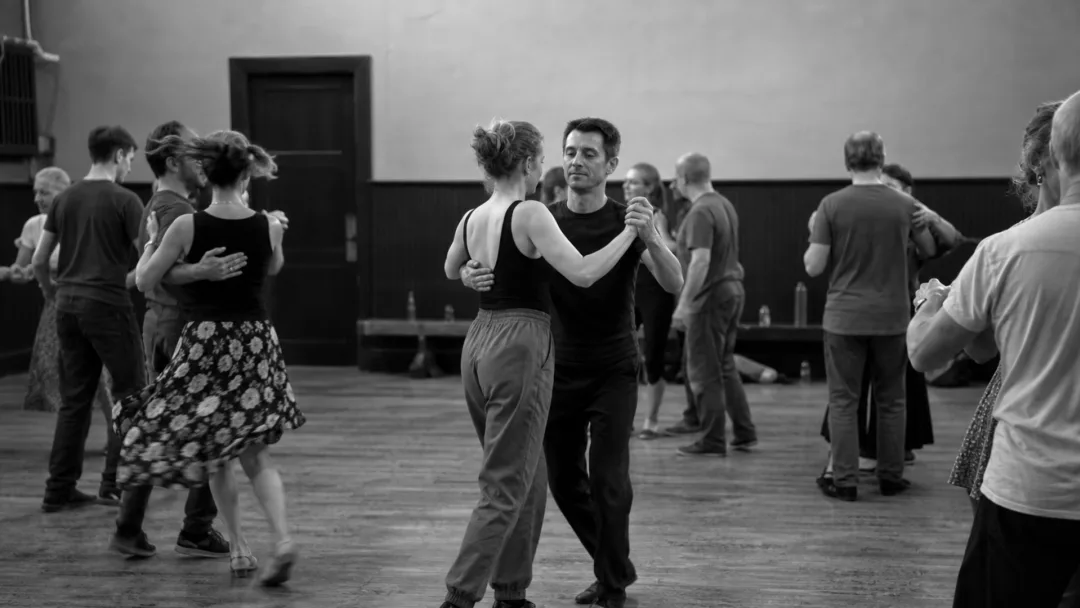
A harmonious dance frame is created in the chest, not by tensely held-up hands.

Biomechanics and leverage on the dance floor

The most common mistake when there are noticeable height differences is the desperate clinging to rigid textbook postures. If the leading person is significantly taller, the led hand often drifts too high into the sky during turns. This leads to hunched shoulders, blocked shoulder blades, and a loss of balance for the following person. Conversely, very tall partners tend to collapse their upper body to supposedly be closer to their partner.

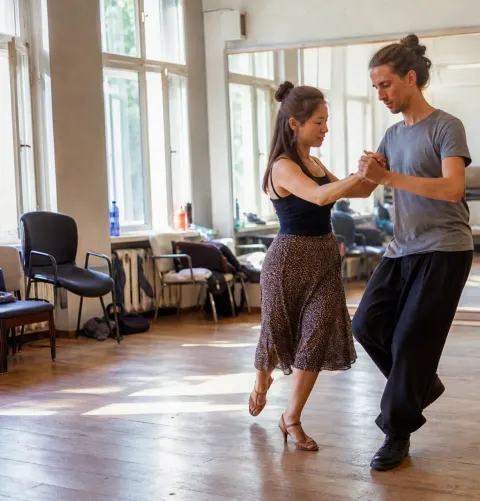
The biomechanical solution lies in the dance center. Both dance partners must remain stable in their own axis independently of each other. Turns are not initiated by jerking the arm up, but by clear leading from the rib cage at the sternum height of the shorter person. For Latin American dances or Discofox, a large difference is often easier to compensate for than in ballroom dances, because open dance postures offer more room for individual arm lengths.

Dealing with height differences on the dance floor

Balancing correctly

  • Lower your arms to the shoulder height of the shorter person
  • Coordinate your stride length and give each other space
  • Fill in your height details accurately on your udansa profile
  • Use the heel height of your dance shoes to compensate

Typical posture mistakes

  • Jerking the leading hand steeply upwards during turns
  • Forcing maximum step length without consideration
  • Hiding your height when looking for a dance partner
  • Slouching the upper body to appear smaller

The dance frame does not collapse because of different heights, but because of the attempt to compensate for the height difference with the arms instead of the knees.

Dance instructor for Ballroom and Latin

Practical adjustments and targeted partner search

If you are looking for suitable partners, you should provide open information. On udansa, you can enter your exact height and filter for matching profiles instead of hoping for the best. During a first meeting for a trial dance, it quickly becomes clear whether your step length and arm reach harmonize without any awkwardness. Take the time to try out a few basic steps together before the course starts.

Additionally, subtle differences can be compensated for with shoes. Heel heights between two and seven centimeters noticeably change the relationship of the shoulder lines. What remains decisive is the willingness to keep the dance frame flexible: those who slightly adjust the contact area in a standard pair and rely on fluid arm movements in social dance can dance through the Berlin dance nights without any complaints, even with a significant height difference.

Dance styles compared by height

Standard

Compact leading in close contact

Fixed frame with body contact

In a closed dance frame, a significant difference in height requires constant compromises regarding step size and arm position, but it offers a stable counterbalance during turns.

Latin

More room for maneuver in the distance

Dynamic spacing and freedom of movement

Thanks to flexible spacing and open holds, different leg lengths hardly play a role as long as the arms are guided elastically.

Frequently Asked Questions

  1. An ideal difference is about ten to fifteen centimeters, provided the lead is taller. At this distance, the chest and shoulders meet more naturally, without either partner having to bend their own body axis.

Partner dance courses in Berlin

Find the right dance course for you and your dance partner in Berlin.

Find dance partners at eye level

Create your profile on udansa, enter your exact height, and find dance partners in Berlin who perfectly match your stride.

Find dance partners at eye level