In Berlin you never dance alone
Create your free profile, discover the vibrant Berlin community, and find like-minded people for your next dance night or course.

By Bernhard De LucaUpdated

Create your free profile, discover the vibrant Berlin community, and find like-minded people for your next dance night or course.
The Berlin dance scene is reinventing itself. More and more people are discovering the freedom to dive into the capital's vibrant nightlife without a fixed partner and experience partner dance in a completely relaxed way.
In the Berlin dance scene, new trends spread differently than in the digital fashion world. While trends on social media appear and disappear overnight, the local community for partner dance grows through real encounters on dance floors from Kreuzberg to Prenzlauer Berg. New impulses arise directly at weekly socials, spread through word of mouth in dance schools, and solidify during joint practice evenings. Anyone in the capital who wants to try dancing without a partner in Berlin will quickly realize that the scene is extremely open to spontaneous changes and dancing in varying constellations.
This organic development ensures remarkable consistency. Instead of short-lived hypes, a culture of sharing and flexibility is established. Solo dancers use the city's dynamic to continuously develop without fixed commitments. The movement thrives on people coordinating directly at events, forming pairs spontaneously, and the traditional role of a fixed dance partner increasingly fading into the background. This creates a lively dynamic that makes it easier for beginners to get started with udansa.
In this form of dancing, there are no longer any fixed gender roles. Everyone learns both leading and following, which leads to a completely new dynamic and a deeper understanding of dance on the dance floors in Berlin.
These short, intensive workshops before the actual party are the perfect icebreaker. This is where all solo dancers come together, learn the first steps, and rotate constantly, so you have already made connections before the first song of the party even starts.
Classic dance school structures are increasingly giving way to temporary pop-up events in unusual locations across Berlin. Whether in old warehouses or outdoors on the banks of the Spree: the community meets wherever the atmosphere is relaxed and informal.
Forgoing a fixed dance partner in the Berlin scene by no means implies that you remain isolated. Quite the contrary: the modern movement of solo dancers has its origins in the desire for maximum flexibility and uncomplicated community. Many active dancers appreciate not having to commit to fixed course times, but rather using the city's variety flexibly. Those who are specifically looking for like-minded people use the Tanzcommunity Berlin to arrange to meet for upcoming events or to form carpools.
The journey usually leads active dancers through open workshops and casual socials, where changing partners after every song is considered good etiquette. From this practice, solid networks emerge that support each other and try out new styles together. This form of dancing breaks up traditional structures and turns partner dancing into a highly social, inclusive experience for all age groups and levels in the metropolis.
In Berlin, nobody dances alone for long, because the curiosity for one another and the love of movement connect people here faster than in any other city.
How to connect
This blocks your success
Yes, that is actually the norm in Berlin. Most dance schools and social organizers structure their courses so that solo dancers can show up without a partner, and partners are rotated continuously during the class.
At so-called socials, which are casual dance parties for Salsa, Bachata, or Kizomba, dancing without a fixed partner is absolutely common. You simply go there, stand by the dance floor, and you will be asked to dance or you can actively ask other dancers yourself.
Registering on udansa is the most direct way to specifically search for other solo dancers in Berlin. Additionally, the profiles help you compare your skill level to find suitable dance partners for workshops or fixed courses.
Find the right course in your area and meet nice people from the Berlin community.
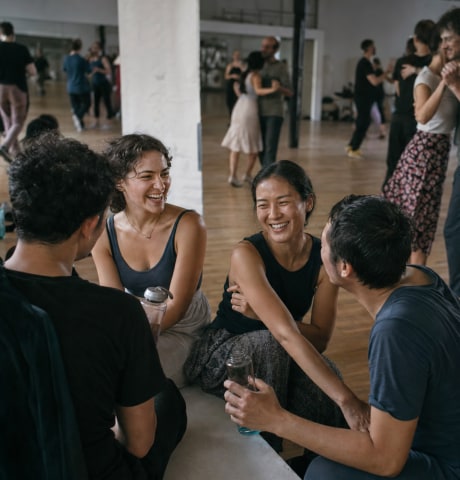 Dance Community Berlin: The best online groups for dancersLooking to connect with the Berlin dance scene? We introduce you to the most important Facebook groups and online forums to help you network instantly.
 Looking for a dance partner in Berlin Spandau: Profile guideAre you looking for a dance partner in Berlin? Learn in this guide how to set up your udansa profile for the Berlin dance scene and connect with others quickly.
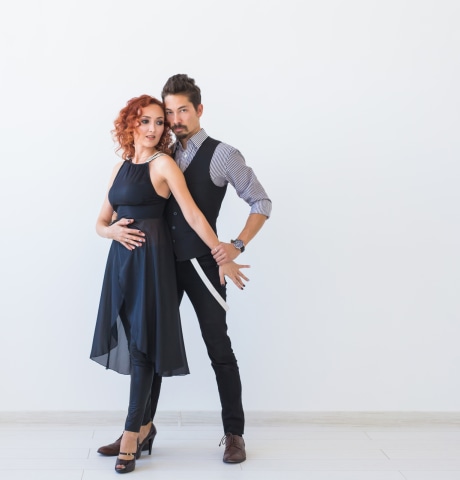 Dance partners and levels in Berlin: Are you a match?Is your Berlin dance partner really a match? Take our quick self-test and find out if you harmonize on the dance floor.
 Dance partners in Berlin: How to connect with the communityFind your dance partner in Berlin and become part of the vibrant dance community. Our guide shows you the best ways to join established dance groups and clubs in the capital.
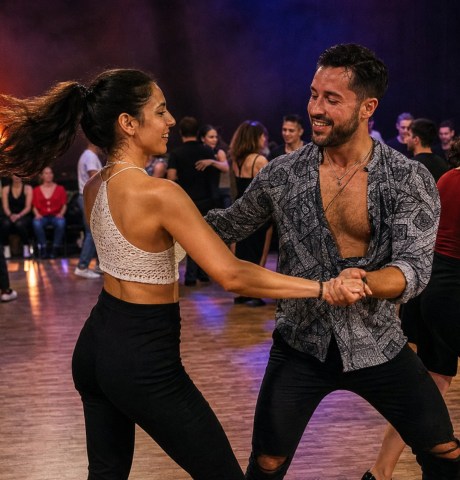 Salsa Community Berlin: The best spots for dancersFind your place in the Berlin Salsa and Bachata scene. We show you the best social spots, open-air dance floors, and meetups in the capital.Looking for a dance partner in Berlin Spandau: Profile guideAre you looking for a dance partner in Berlin? Learn in this guide how to set up your udansa profile for the Berlin dance scene and connect with others quickly.Dance Community Berlin: The best online groups for dancersLooking to connect with the Berlin dance scene? We introduce you to the most important Facebook groups and online forums to help you network instantly.Dance partners and levels in Berlin: Are you a match?Is your Berlin dance partner really a match? Take our quick self-test and find out if you harmonize on the dance floor.
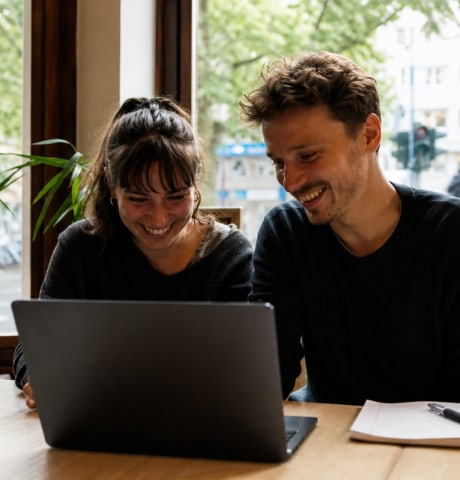 7 mistakes when messaging dance partners in BerlinIf you are being ignored while looking for a dance partner in Berlin, you are likely making unconscious mistakes in your first message. Learn what really matters when reaching out.
 New to dancing in Berlin: How to find your dance communityIf you are new to Berlin and want to dance, this practical how-to guide helps you find the perfect entry into the local dance scene and make new contacts quickly.