Street carnivalGo dancing in Berlin

Carnival of Cultures dance groups: Rhythm at the parade in Berlin

5 minutes
In short
  • For the Carnival of Cultures, dance groups form months before Pentecost in Berlin and combine styles from Samba and West African dances to modern street dance directions.
  • Dancing in the parade requires sturdy street shoes, stamina for hours of movement on asphalt, and expansive movements for the audience.
  • If you want to join in yourself, you can connect with an existing cultural group through open rehearsals or workshops beforehand.

Dancing for hours on hard asphalt requires stamina, stage presence, and a fine sense for the shared beat. The street parade presents dancers with completely different challenges than the dance floor in a ballroom.

DefinitionBloco

In street dance and street carnival, a bloco refers to an organized group of drummers, dancers, and companions who move through the streets together in a fixed formation. The term originates from Brazilian festival culture and represents collective music-making and dancing in the open air.

Diverse rhythms on the streets of Berlin

When the big street parade starts in Berlin on Whit Sunday, the asphalt transforms into an endless dance stage. The Karneval der Kulturen dance groups form the pulsating heart of this event. Thousands of people move through the city in formations, carried by powerful drum rolls, brass sections, and rolling sound systems. Anyone dancing here is not standing in front of a mirror in a studio, but is moving in direct dialogue with the crowd.

The spectrum of styles ranges from Brazilian Samba and Afro-Caribbean rhythms to Colombian Cumbia, Bollywood, traditional dances from West Africa, or modern urban styles like street dance. While partner dance usually involves firm contact with the other person, street dance connects the performers through the shared pulse of the music. The movement emerges in the collective: every formation tells its own visual story through colors, choreographies, and rhythms that sweep the entire environment along.
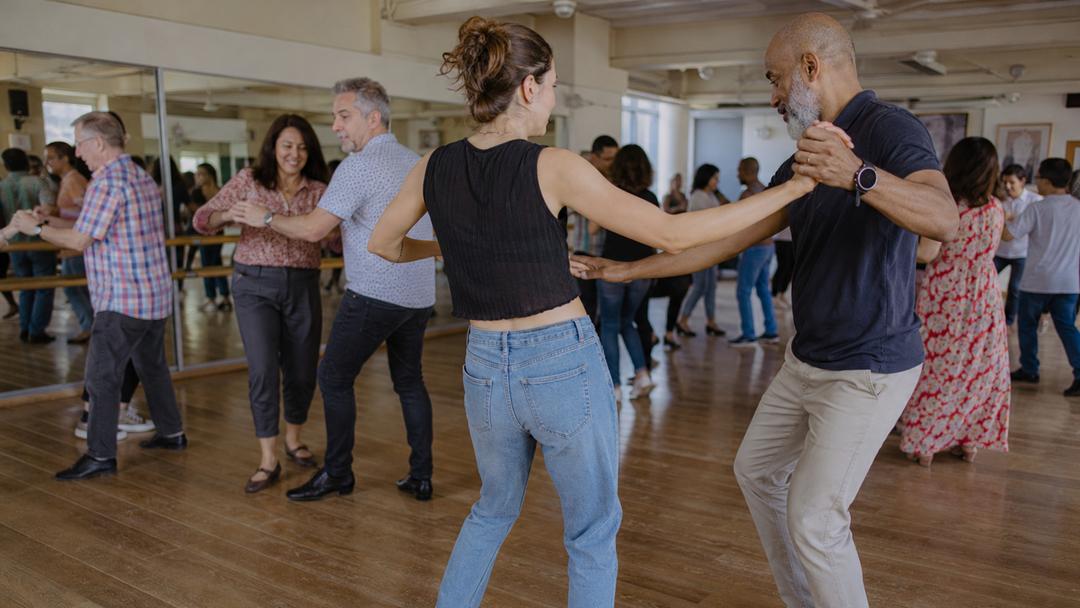
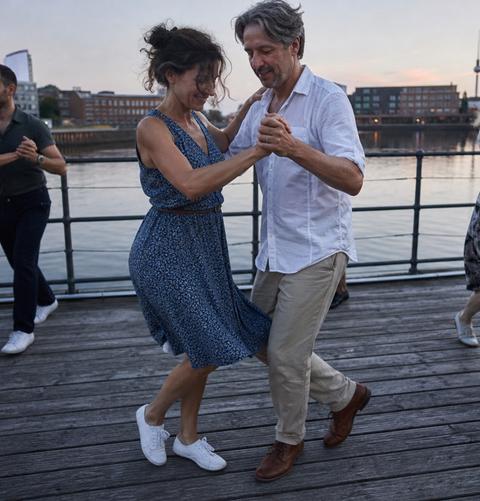
Street dance requires eye contact with the crowd and expansive gestures that are effective even from a distance.

Mastering the challenge of street dance

Dancing on the street is fundamentally different from studio choreography. The ground is hard asphalt, the route demands stamina over many hours, and the tempo of the formation fluctuates constantly. A group must close gaps when the procession stalls, and immediately return to full dynamics as soon as the parade starts moving again. Anyone interested in participating can take advantage of a suitable trial session at the dance school in advance or attend workshops to train their sense for expansive movements.

A recurring challenge is the balance between choreography and spontaneous expression. Pure stage dancers initially tend to make movements too small. On the street, gestures must be wide, rhythms accentuated, and posture upright so that the energy reaches even the people in the back rows of the audience. At the same time, the parade requires mutual consideration: every dancer maintains distance from those in front and pays attention to the musicians directly behind or in front of the group.

Street dance at a parade: What matters

Doing it right on the street

  • Wear cushioning sneakers with a thick sole
  • Make movements wide and high
  • Build up stamina for long-distance walking in advance
  • Store enough water in the support vehicle

Common mistakes

  • Using delicate dance shoes with leather soles
  • Making small movements as if in a closed room
  • Starting the parade without any walking practice
  • Forgetting to prepare food and drinks in advance

On the street, you don't dance for yourself or the mirror, but for thousands of eyes that directly reflect your energy.

Choreographer for street dance and parades

The path to joining a formation

Joining a parade group usually begins many months before the actual Whitsun festival. From winter and spring onwards, many formations start their open rehearsals, auditions, or thematic workshops. Prior knowledge is important to varying degrees depending on the group: while some ensembles require demanding step sequences and previous experience, others focus primarily on regular attendance, stamina, and enthusiasm for the rhythm. Sometimes, a preparatory dance course is also worthwhile to consolidate your sense of rhythm and basic steps.

Those who participate commit to more than just learning the dance steps. Often, the shared experience also includes designing or adjusting costumes together. On the day of the parade itself, team dynamics are what matter most: cheering each other on, having enough water, and well-coordinated teamwork carry the group through the hours of dancing. Anyone who has once experienced the applause and the enthusiasm of the crowd as part of such a formation understands the fascination of this collective street dance.

Dance floor versus pavement: Two worlds

Parquet

Dancing in the dance studio

Precision in a protected space

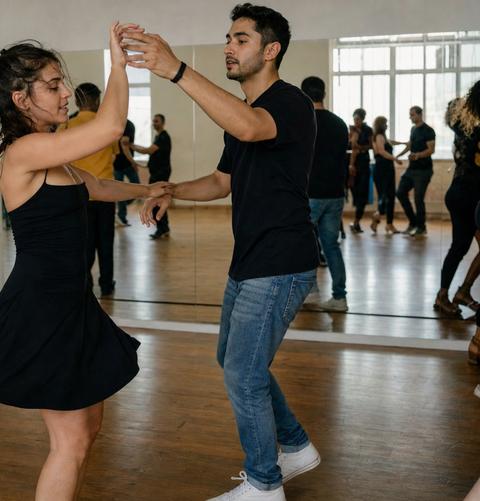
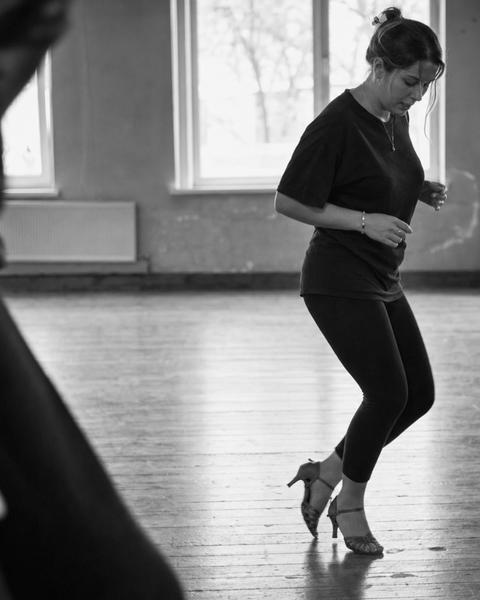
In the studio, level parquet flooring and a protected space ensure precise turns and fine footwork. Your attention is fully focused on your dance partners or the front of the studio.

Asphalt

Dancing at a street parade

Stamina in street settings

On the street, uneven asphalt, changing marching tempos, and hours of heat demand pure stamina. Movements must be expansive to reach the audience on the sidelines.

Frequently Asked Questions

  1. Usually, open rehearsals and preparations begin in the winter or early spring before the Whitsun weekend. Anyone wishing to participate should find out about joining dates from groups and cultural associations early on.

Mary De Lucaudansa editorial team ·
Share
Know-how for the floor

From the guide

View all articles