Club cultureGo dancing in Berlin

Dancing to techno in Berlin: club culture as cultural heritage

5 minutes
In short
  • The inclusion of Berlin's techno culture in the nationwide list of intangible cultural heritage honors music, raves, and free spaces since the late 1980s.
  • When dancing to techno, there are no prescribed steps, but rather free, intuitive movement in the common beat of the music.
  • An integral part of club culture are lived values such as mutual respect, mindfulness in the space, and the conscious avoidance of cameras.
  • The award does not protect buildings, but rather the communal cultural practice and social interaction on the dance floor.

The inclusion in the list of intangible cultural heritage has put Berlin's club culture in the spotlight. What does this distinction mean for dancing on the floor, and what values do the nights carry?

DefinitionIntangible cultural heritage

Intangible cultural heritage refers to living cultural expressions, customs, and practices that are passed on by communities from generation to generation. In March 2024, techno club culture was added to this German register.

How club culture became cultural heritage

When you think of techno in Berlin, you often imagine dark halls, fog, and repetitive bass. Yet behind this scenery lies a vibrant cultural practice that was officially added to the nationwide list of intangible cultural heritage in March 2024. This award does not honor stone monuments or individual buildings, but rather a form of togetherness that has grown steadily since the late 1980s. When people dance to techno in Berlin, it happens in a protected environment based on values like tolerance, openness, and mutual respect. It is not about the perfection of specific figures as in competitive dance or about step sequences as you know them from a classic dance course, but about moving together in space.

The recognition by the German UNESCO Commission makes it clear: Berlin club culture is an independent form of culture. In addition to the music, this includes raves, fashion styles, and a special sense of community. For everyone active on the dance floor, this status means both validation and responsibility. If you want to move freely without a fixed partner, you will find an environment here that differs significantly from other dance scenes, but follows the same basic needs for expression as you experience in solo dance without a partner.
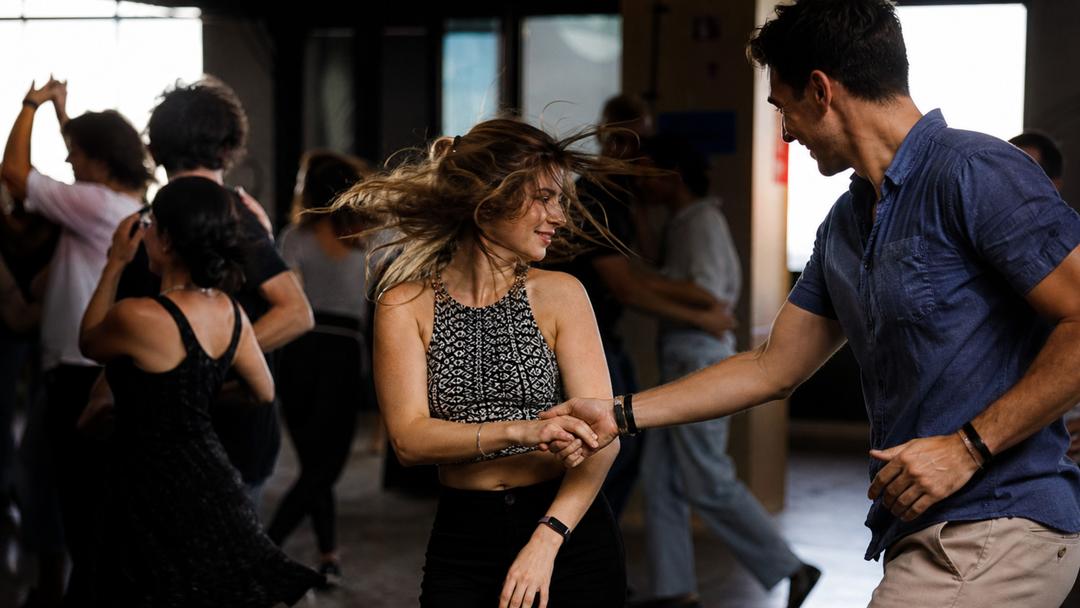
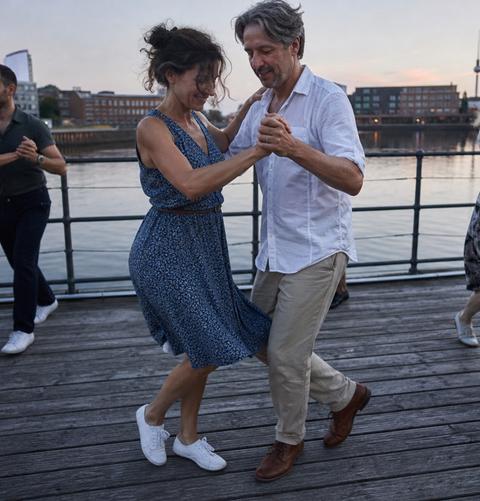
On the dance floor, what counts is moving together in space, free from rigid rules and judgments.

What defines movement on the floor

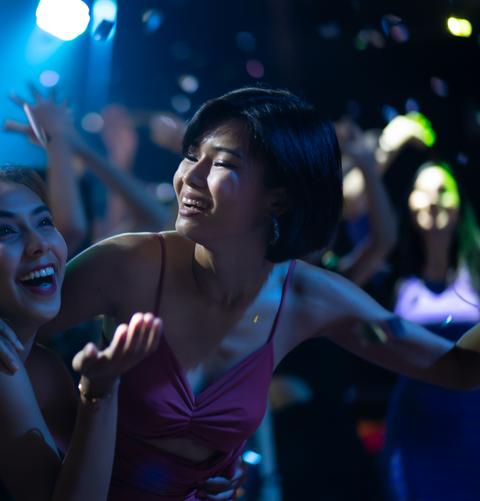
Unlike many traditional dances, techno has no predefined basic step, no fixed posture, and no division into leaders and followers. Dancing emerges individually from the bassline and the modulated frequencies of electronic music. Nevertheless, it is by no means an isolated side-by-side experience, but rather a collective one. On the dance floor, a dynamic emerges where many individuals immerse themselves in the same beat for hours on end. This shared flow requires a high level of sensitivity for the surroundings: you share the space, intuitively avoid one another, and ensure that no one is crowded.

Because no choreography needs to be rehearsed, this lowers the barrier to entry significantly. At the same time, this freedom requires a special form of discipline. Without visible rules like in partner dances, the functioning of the floor relies purely on unwritten agreements. A conscious approach to your own energy and the environment determines whether the space remains safe and free for everyone involved. Those interested in modern movement patterns and physical improvisation will discover similar facets in these rhythms as they would in modern concepts in contemporary dance.

Behavior on the techno dancefloor

Do's

  • Leave space for others and move mindfully
  • Keep cameras in your bag and live in the moment
  • Wear comfortable clothing and flat shoes
  • Respect the boundaries of others and maintain distance

Don't do this

  • Pushing recklessly and bumping into others
  • Filming or taking photos on the dance floor
  • Choosing unsuitable footwear for long nights of dancing
  • Getting physically close to strangers without asking

Dancing to techno means letting go of control over fixed steps and becoming completely immersed in the moment and the shared energy.

Dance instructor for contemporary dance forms

Responsibility and freedom on the dance floor

The status as intangible cultural heritage protects a living practice from displacement and commercialization. However, it also serves as a reminder that these free spaces do not exist as a matter of course. On the dance floor, clear behavioral norms apply that have matured over decades. This includes the strict adherence to the smartphone ban: photos and videos are frowned upon on the dance floor to guarantee the safe space of everyone present. Anyone dancing should be able to let go without having to fear appearing on social networks the next day.

Equally central is respect for the boundaries of others. Eye contact or dancing next to each other is not an invitation for a pickup attempt. The space belongs to the music and one's own experience. Anyone who understands this culture does not enter the dance floor as a consumer or spectator, but as an active part of a community. This attitude distinguishes the authentic Berlin scene from ordinary party strips and constitutes the appeal that fascinates music enthusiasts from all over the world.

Two sides of the same dance culture

Individual

The personal experience

Free expression without fixed step sequences

At the center is your own body awareness in the rhythm of the track. The movement follows no fixed pattern, but reacts directly to sound structures and frequencies.

Community

Collective togetherness

Connection through a shared beat

Hundreds of people move together to the same beat. Through consideration, shared energy, and mindful space, a connecting sense of community emerges.

Frequently Asked Questions

  1. Yes, since March 2024, Berlin techno culture has been included in the nationwide register of intangible cultural heritage. This refers to the register of the German UNESCO Commission, not the international world heritage of architectural and natural monuments.

Bernhard De Lucaudansa editorial team ·
Share
Know-how for the floor

From the guide

View all articles