How dance roles are becoming detached from gender
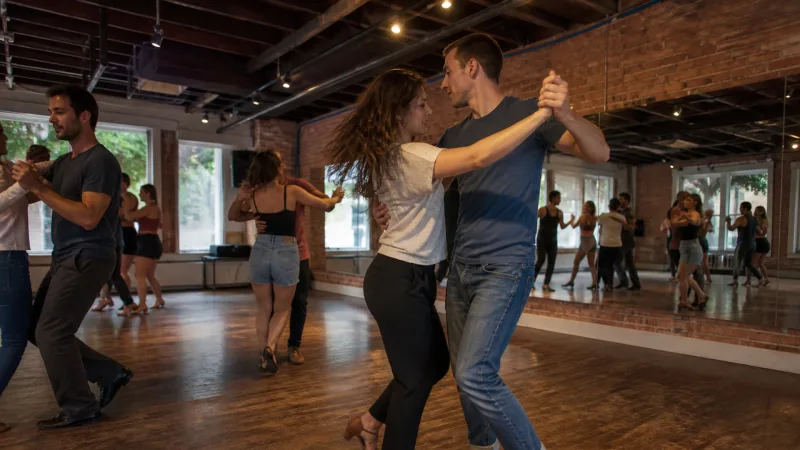
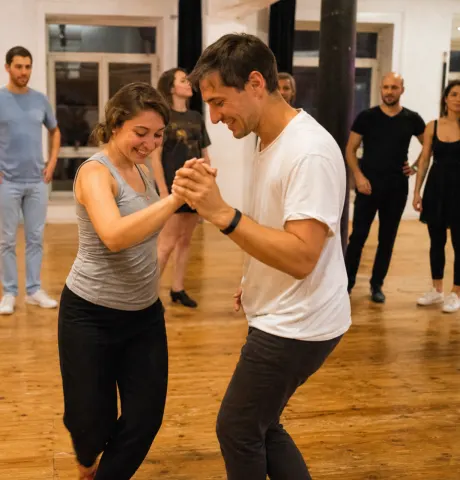
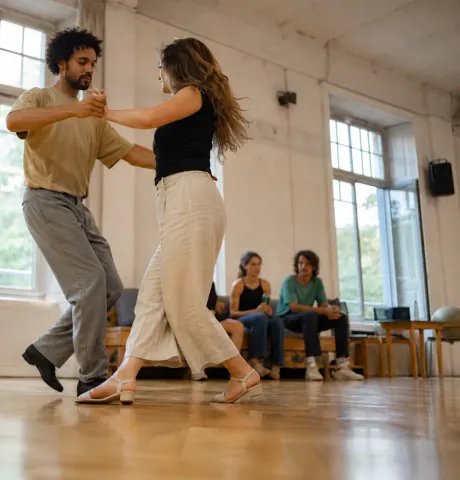
In partner dance, there was long a fixed assignment where men lead and women follow. If you want to dance gender-neutrally in Berlin, you will experience a fundamental decoupling of these tasks from gender identities. The focus is on functional skills: one person provides movement impulses, the other receives them and interprets them in space. The historical imprint of many social dances is thus giving way to a flexible system in which dancers consciously choose their role based on interest, body awareness, or how they feel that day.
This development is rooted, among other things, in the field of contact improvisation, which anchored an equal dialogue in the dance space early on through institutions like the Tanzfabrik Berlin. If you dance partner-based in Berlin, you will notice that more and more people are learning both sides. The understanding of contemporary dance in Berlin has also contributed to critically questioning rigid patterns in partner dance and viewing dance pairs as equal units.