What distinguishes Brazilian Zouk from Lambada and Kizomba
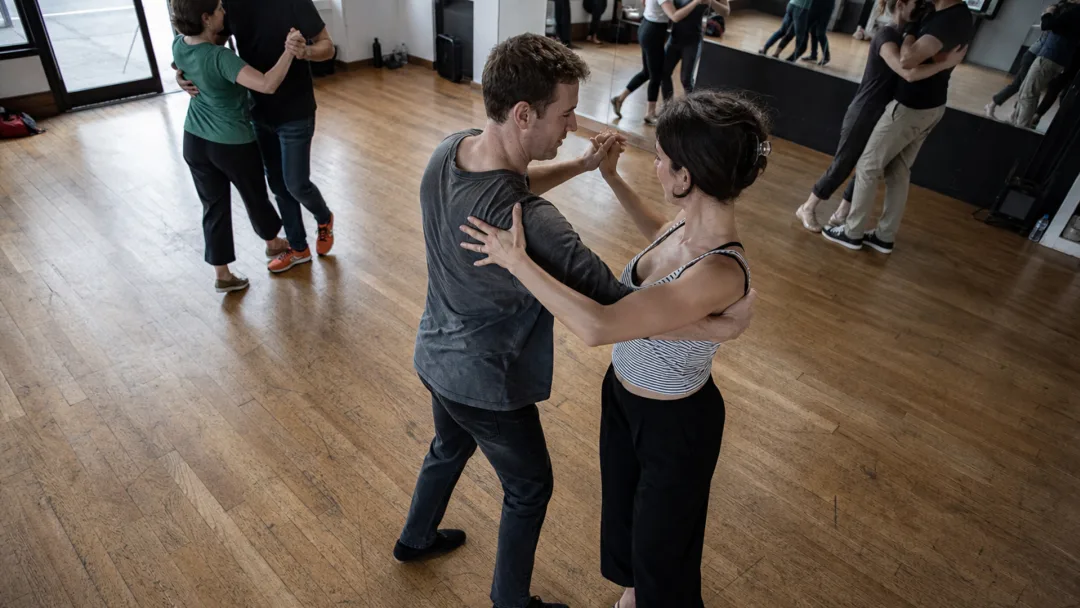
If you are looking for Zouk in Berlin, you will encounter a modern partner dance characterized by fluid movements, soft body waves, and a close connection to the music. Historically, the dance originates from Brazil and evolved from Lambada in the nineties, but today it differs fundamentally from its origin. While Lambada relies on fast, syncopated rhythms, Zouk is danced to slow, sustained beats from pop, R&B, or electronic downtempo tracks.
Brazilian Zouk is often confused with Kizomba, as both styles can be danced in a close embrace. However, while Kizomba has African roots, is danced with a strong connection to the ground, and focuses on subtle weight shifts in the pelvis, Zouk is characterized by three-dimensional movement patterns throughout the entire upper body. This includes gently led upper body tilts and controlled head movements, which are rarely found in other partner dances.
For those curious in Berlin looking for a way to start, it is worth taking a systematic look at the basics first. Many dancers compare the variety of movements with other styles or start with a compact introduction to Brazilian Zouk before experimenting on open dance floors.