Flamenco5 minutes

Flamenco in Berlin: Spanish passion as a solo dance

By Bernhard De LucaUpdated

In short
  • Flamenco is danced as a solo dance without a fixed partner and therefore does not require a companion to start the course.
  • When choosing a course in Berlin, a joint-friendly wooden sprung floor and small groups with rhythm training are crucial.
  • For beginners, comfortable clothing and sturdy shoes with a wide, stable block heel of three to four centimeters are sufficient.
  • Advanced techniques combine foot percussion with posture, clapping techniques, and emotional expression.

Flamenco fascinates as a powerful solo dance that combines a sense of rhythm, posture, and emotion. Find out here what matters when choosing your course in Berlin and how you can get started.

DefinitionCompás

Compás refers to the rhythmic structure and meter in Flamenco, which often consists of complex counting patterns of twelve, four, or three beats. Without an understanding of the compás, neither dance nor singing is possible in Flamenco.

Spanish solo dance instead of classic partner dance

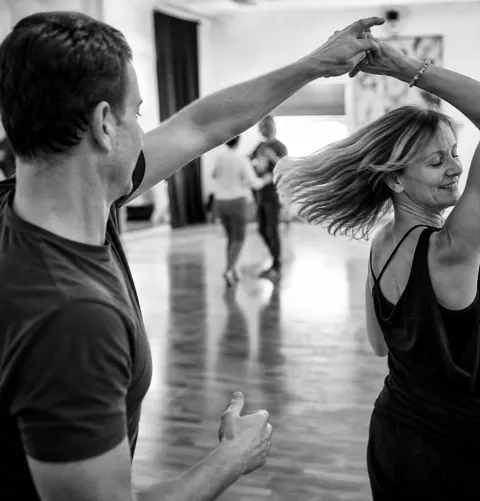
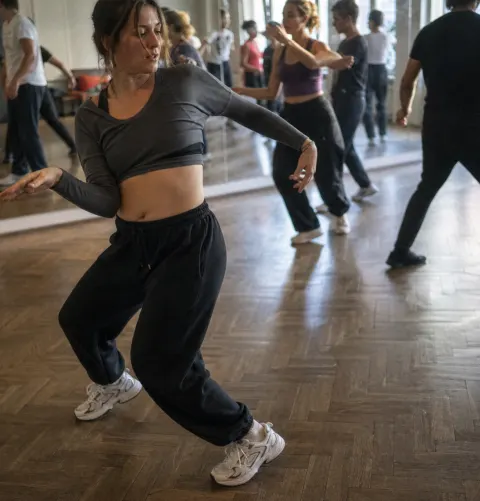
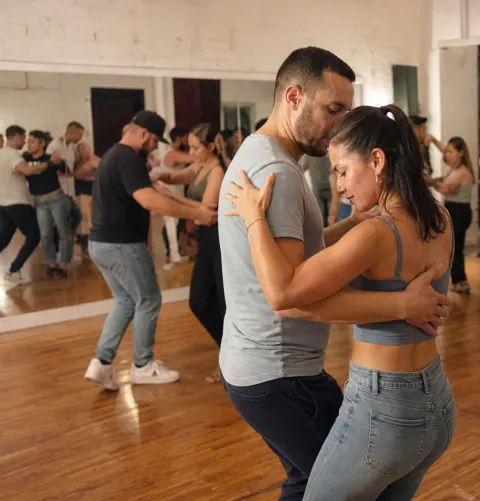
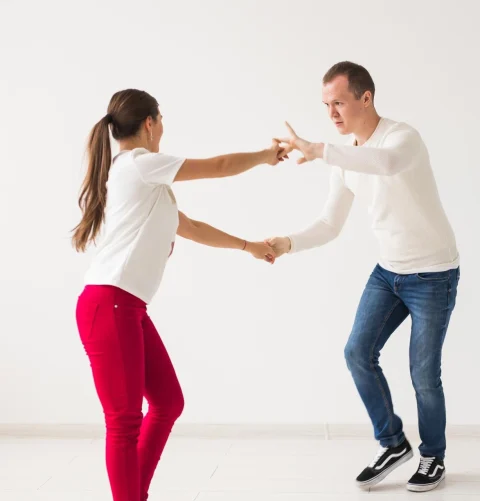
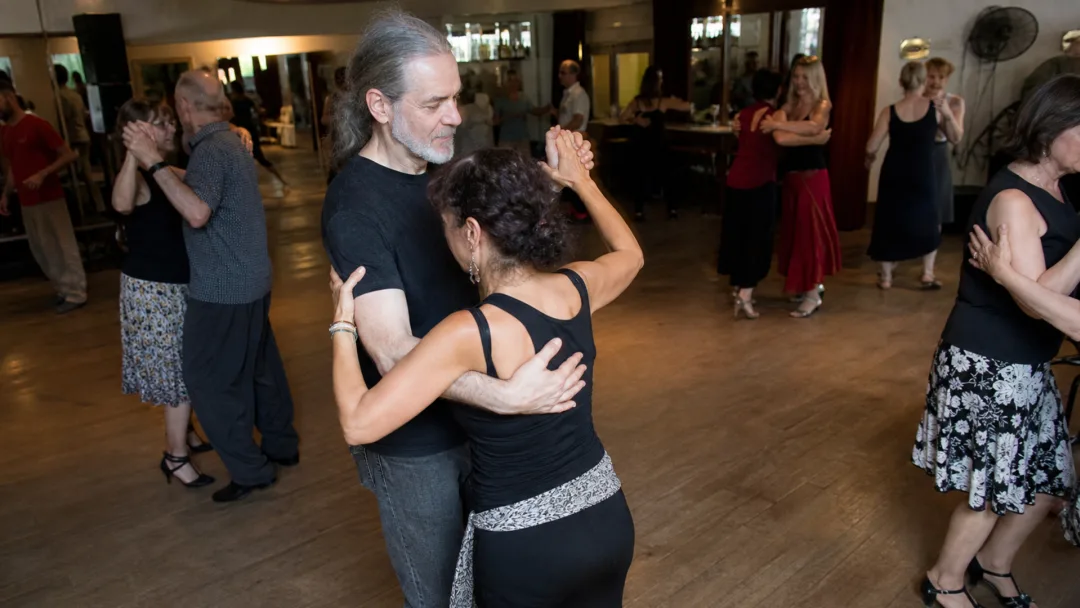
Anyone looking for Flamenco in Berlin will encounter an expressive art form that does not require a fixed dance partner. Flamenco is not a partner dance, but a solo dance that is deeply rooted in Andalusian culture. It is danced alone or in a group of soloists who rehearse the same choreography. This is exactly what makes getting started attractive for many people in Berlin: you are completely independent of a leading or following person. While partner dances like Salsa or Tango thrive on shared leadership, the Andalusian solo dance demands your undivided presence.

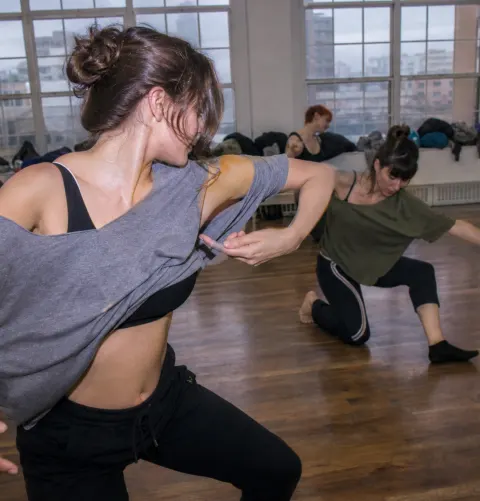
The expressiveness is fueled by the interplay of powerful footwork (Zapateado), soft arm movements (Braceo), and rhythmic clapping (Palmas). Many beginners who otherwise attend courses for contemporary dance in Berlin appreciate the clear rhythmic structure of Flamenco combined with maximum emotional expression. You will learn from scratch how to use your body as a full-fledged rhythm instrument.
A sprung wooden floor absorbs the impact of the strikes and protects your joints with every Zapateado.

Criteria for the right Flamenco school

When looking for the right classes for learning Flamenco in Berlin, it is important to take a close look at the studio. Flamenco has structural requirements that ordinary dance rooms often do not meet: a sprung wooden floor is indispensable. A hard concrete or tiled floor does not cushion the impact of the heels and inevitably leads to strain on the knees, hips, and spine.

Pay attention to the following quality features when choosing your training facility:

  • Acoustics and floor construction: A genuine hardwood sprung floor protects your joints and provides the characteristic, crisp sound of the zapateado.
  • Small learning groups: Flamenco requires constant corrections to posture, body tension, and foot technique. In overcrowded rooms, this individual attention is lost.
  • Rhythm theory before step sequences: Good instructors first teach an understanding of the rhythms (compás) and clapping before complex steps are danced.
  • Musical accompaniment: Live guitar accompaniment or sound knowledge of the singing (cante) shows that musical diversity is understood and lived in the classes.

When you visit a Flamenco school in Berlin, ask for trial lessons that focus on posture and basic strikes instead of working through long choreographies immediately.

Shape your start in Flamenco effectively

How to get started successfully

  • Wear shoes with a three-centimeter block heel
  • Look for studios with a springy dance floor
  • Internalize the rhythm by clapping first
  • Choose small groups for precise posture corrections

Common mistakes

  • Training in soft sneakers or stiletto heels
  • Dancing on hard concrete or stone floors
  • Running through step sequences without an understanding of rhythm
  • Getting lost in overcrowded classes without attention to detail

Flamenco demands your whole body: your feet are the drums, your upper body tells the story, and your head keeps the beat.

Dance instructor for Spanish dance

Equipment and getting started without prior knowledge

If you want to dance Flamenco in Berlin, you do not need expensive professional equipment for your first trial classes. Comfortable sportswear that gives you full freedom of movement in your upper body is sufficient, as well as shoes with a stable, wide block heel of about three to four centimeters in height. You should definitely not train in sneakers with rubber soles or with stiletto heels: rubber soles stop you too abruptly and stiletto heels offer no stability at all.

If you stick with it, you will invest in special Flamenco shoes after a few weeks. These have hardened toes and heels, which are often fitted with small nails to amplify the sound. Women often supplement their training later with a wide practice skirt (Falda), which is actively incorporated into the dance movements. You can easily filter the current workshops and regular classes for Berlin by level and date in the course section of this site.

Two poles of a movement

Zapateado

Powerful footwork

Precise strikes with heel and sole

Your feet act as a rhythm instrument. In Zapateado, you create precise strikes with your toe, ball, and heel, which require speed, power, and absolute rhythmic clarity.

Braceo

Expressive arm movement

Fluid lines in arms and hands

While the feet keep the beat, the arms and hands flow in soft, circular movements. This separation between grounding below and openness above creates the charm of the posture.

Frequently Asked Questions

  1. No, Flamenco is taught and practiced as a solo dance. You sign up for courses completely independently of other people and train your own posture, rhythm, and coordination in a group setting.

Find Flamenco courses in Berlin

Compare current offers for beginners and advanced dancers in Berlin directly in the course filter.

Find your rhythm together

On udansa you can find like-minded people for dance projects, practice sessions in the studio, and suitable courses right here in Berlin.

Find your rhythm together