Today, you stay together
On udansa, you can find dance events in Rome for a night out together. With udansa connect, you can share experiences with formats where fixed couples stay together.

By Mary De LucaUpdated
On udansa, you can find dance events in Rome for a night out together. With udansa connect, you can share experiences with formats where fixed couples stay together.
An evening of dancing as a couple can suddenly feel different when one person accepts every invitation to dance while the other waits for the next song they can dance to together. A clear agreement can help you anticipate this moment without setting rules for other guests.
If you’re planning a dance night as a couple in Rome, there are three things to distinguish: who you arrive with, who you dance with, and how an instructor-led segment is organized. Booking together only answers the first question. It neither makes you a couple that has to rotate partners nor guarantees you an exemption from a planned rotation.
In open partner dancing, each new dance partnership begins with an invitation and its acceptance. You can politely decline an invitation. The fact that other guests often change partners doesn’t obligate you to do so. In an instructor-led rotation, by contrast, one person moves on after an exercise so that several people can practice together. Voluntarily saying no to an invitation is different from skipping a planned group activity. That’s why a fixed couple needs to fit the format of the instructor-led segment.
The term Social also doesn’t mean you have to dance with everyone. It describes a social dance setting, not a personal commitment to the other guests. You can find tips on the basic options at Going Dancing in Rome. If Italian participation information makes the distinction difficult, the guide to Dancing in Rome Without Italian can help. For your decision, what matters next is the specific partner rotation rule, not the number of places you bought together.
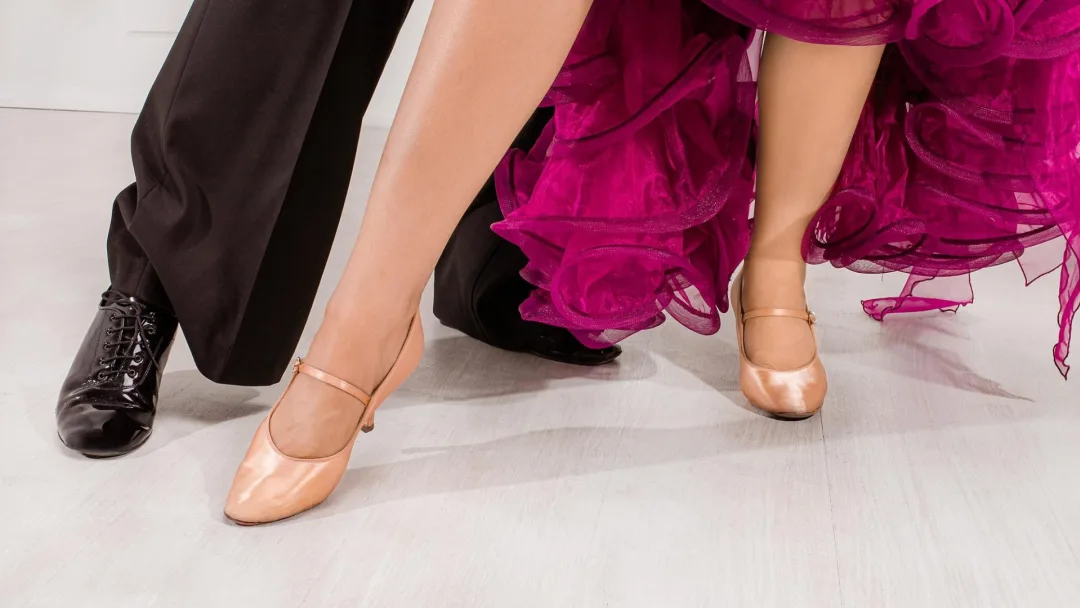
Before you choose, say: “I only want to dance with you today. Do you want that too?” A clear yes is the foundation, not your relationship or the fact that you arrived together. If your wishes differ, agree on a different arrangement instead of silently assuming you have the same expectations.
Read the event description carefully, looking for details about rotation, partner changes, and any instruction beforehand. If anything is unclear, ask the organizer specifically: “Can we dance together throughout the guided portion too?” The answer needs to cover this part, not just the open dance floor afterward.
Choose an evening with open dancing or an explicit option to opt out of rotation. If only the open dancing phase works for you, use it separately from the rotation-based class, if joining at that point is allowed. Don’t plan to change an unsuitable group activity on site by simply staying put.
Decide whether “no switching” really applies for the whole evening. Also agree that each person responds to invitations themselves. If someone wants an exception later, discuss it before the next dance, rather than accepting someone else’s hand out of politeness.
Wait at the edge for a gap that's large enough, then start with small basic steps. You can choose who leads and who follows. With simple movements, you’ll first get a feel for the tempo and how much space you need, without standing out from other couples by doing big figures.
Answer for yourself: “Thank you, I’m only dancing with the person I came with tonight.” A short sentence is enough, no justification is needed. The person you came with doesn’t speak for you or pull you away. This makes your agreement clear without embarrassing the person who invited you.
Stop dancing when you feel tired or uncomfortable, and leave the floor through an open gap. Staying together doesn't mean dancing through every song. Let your dance partner sit down without pressuring them, then decide together whether to keep dancing or call it a night.
Do's
Not like this
Preparation
Coordination
Looking Back
No, when dancing freely, it isn't rude to dance exclusively with your partner. A friendly refusal is enough, even if many guests switch partners. It becomes unpleasant when someone makes disparaging comments, pointedly turns away, or claims that others are not allowed to approach your partner at all. You decide who you dance with, not whether others can try to make contact.
Yes, even as beginners, you can stick together as a couple when dancing freely. Start with a basic step you can both do confidently, and avoid switching to faster figures at first. If you lose the rhythm, make your movements smaller or stop outside the flow of traffic. Pulling each other around is no substitute for moving at the same pace or communicating the lead clearly.
No, you can switch the leading and following roles without changing dance partners. It's best to agree on a role change between songs and then start again with simple steps. Leading is an invitation to move that the person following can choose to accept. The role isn't permission to move your partner against their will.
Choose figures and a tempo that suit the person who needs more confidence. The more experienced person can work on calm weight shifts, precise leading, or attentive following instead of asking for more difficult figures. Don't correct your partner during every move. One helpful tip you both agree on between songs is better than a running dance lesson on the floor.
You can change your mind, but you should talk to your partner about making an exception first. Agree on something specific, such as dancing once with someone else and then reuniting. A spontaneous change of heart doesn't silently cancel the expectation you've both had so far. If you can't agree on something new, you can take a break or end the evening together without forcing a change.
Accept that they want to end their dance break or evening, without holding them to your original agreement. A plan isn't an obligation to keep going. Talk calmly about whether you'll both stay seated or leave together. Tiredness, sore feet, and feeling overwhelmed are all valid reasons to stop dancing, even in the middle of a song and without a lengthy explanation.