Dance sport4 minutes

Ballroom and Latin in Dresden: Dance sport in a club

In short
  • Competitive dancing in Dresden is primarily practiced in specialized dance sports clubs that offer professional conditions.
  • In contrast to recreational schools, the focus in these clubs is on technical precision, athleticism, and preparation for competitions.
  • Training covers both the five Standard and the five Latin dances in clearly defined performance classes.
  • To get started, regular training, participation in workshops, and a steady dance partner are required.

The journey from hobby dancing to true competitive sport requires discipline, the right environment, and a strong partner. Dresden's club scene offers you the perfect conditions to take your technique in Ballroom and Latin to the next level.

Definition
Competitive dance

Competitive dance refers to partner dancing as a competitive sport, which is held according to the strict guidelines of the German Dance Sport Association in standard and Latin dances. It differs from pure social dancing through a performance-oriented scoring system.

The difference between recreational courses and competitive sports

Getting started with ambitious partner dance differs fundamentally from classic social dancing. While the social aspect is often at the forefront in a regular dance school in Dresden for beginners, competitive sports in a club require a different approach. Here, it is not about simply memorizing steps for the next party, but about continuous work on posture, dynamics, and precision.

In Dresden, dance sport has a long tradition. The local clubs offer an infrastructure that goes far beyond the offerings of normal dance schools. This includes specially sprung parquet floors, which protect the joints during fast Jive jumps or expansive Waltz movements, as well as mirrored walls for visual self-monitoring. Anyone who wants to practice popular dance styles in Dresden at a competitive level will find top-class training conditions in the club landscape between Pieschen and Strehlen.

Discipline and aesthetics in competitive dance in Dresden

If you decide to join a club, you face a choice between the two major disciplines. Ballroom dances such as Waltz, Tango, Viennese Waltz, Foxtrot, and Quickstep are characterized by elegance, continuous movement across the floor, and a permanently closed dance hold. Here, perfect coordination within the couple is essential, where every weight shift must be precisely synchronized.

Latin American dances such as Samba, Cha-Cha, Rumba, Paso Doble, and Jive, on the other hand, thrive on rhythm changes, fast turns, and the constant play with proximity and distance. Training in a Dresden dance club in Dresden promotes both categories equally, though couples often specialize in one direction over the course of their sporting career. In addition to group training, the program usually includes free practice sessions (final round training) and private lessons with licensed coaches.

The path to perfect dance technique

Successful in the club

  • Use regular free practice sessions
  • Focus on clean basic technique
  • Use special dance shoes with suede soles
  • Agree on fixed practice times together

Common mistakes

  • Only dancing in guided classes
  • Learning complex figures without a foundation
  • Training in regular street shoes
  • Practicing irregularly and without coordination
udansa tip

Make intensive use of your club's open practice times. Only by independently repeating the movement sequences shown in class will your muscle memory be permanently consolidated.

In dance sport, the floor is unforgiving. If you don't work on the basics, you will quickly reach your limits at the tournament. Technique always beats show.

Dance sport coach, Dresden

The search for the right sports partner in Saxony

A well-functioning dance couple is the key to success in competitive sports. Since competitive dancing in Dresden is based on fixed age groups and performance classes (from D-class to S-class), both partners must harmonize in terms of athleticism and time. This means coordinating on training frequency, tournament participation, and the willingness to travel together on weekends.

Dresden clubs offer excellent networks for finding suitable partners. A trial session during open training hours often helps to test the athletic chemistry. Targeted searching via udansa also makes it easier to contact ambitious dancers in Saxony who pursue the same athletic goals and want to take the step onto the tournament dance floor.

Comparing two disciplines of dance sport

Ballroom

The world of ballroom dances

Elegance and spatial flow in classic dance floor style

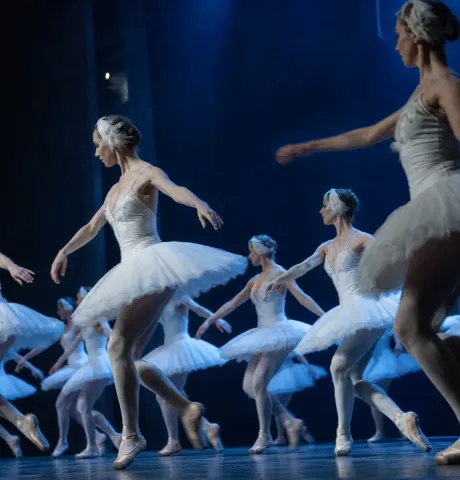
Here, expansive movements, a permanently closed body posture, and flowing dynamics dominate. Disciplines such as Slowfox and Quickstep require extreme core stability and precise footwork.

Latin

The Latin American discipline

Rhythm and athleticism on point

Fast weight shifts, expressive hip movements, and a constant alternation between body tension and release characterize Rumba, Cha-Cha-Cha, and more. Ideal for athletic dancers.

Frequently Asked Questions

  1. A dance sports club offers more affordable monthly fees, free access to training halls for independent practice, and professional tournament coaches. Classic dance schools are usually more expensive and designed purely for recreational purposes.

Dance sport and club training in Dresden

Find the right club for your ballroom and Latin training in Dresden.

View all suitable courses
udansa community

Find your athletic counterpart in Dresden

Whether you are looking for an ambitious Latin dance partnership or want to start tournament training in ballroom: On udansa you will meet like-minded people from the Saxon state capital.

Find your athletic counterpart in Dresden