Dance guidePopular dance styles in Dresden

Which dance style in Dresden suits you? The quiz

6 minutes
In short
  • If you appreciate fixed step sequences, elegance, and clear leading, the best way to start in Dresden is with Ballroom, Latin, or classic Waltz.
  • Lovers of improvisation, lively rhythms, and social interaction will thrive with Swing or Caribbean social dances like Salsa.
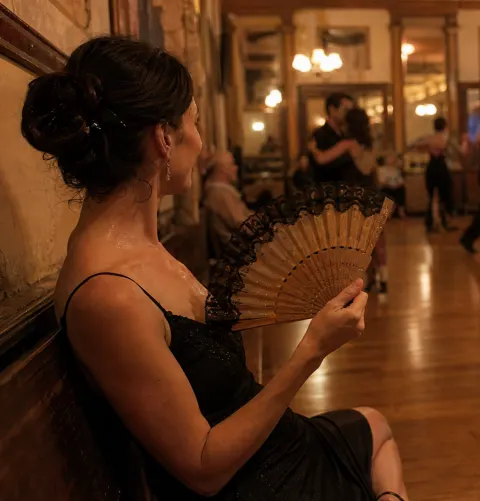
  • Those looking for deep concentration, non-verbal communication, and subtle movement will find the ideal form of expression in Argentine Tango.
  • Creative free spirits with a focus on body awareness and individual expression should choose contemporary dance or Modern Dance.

Five everyday decisions are often enough to find out which dance style really suits your personality. This self-test filters your habits and shows you which dance will make you happy in Dresden.

From expressive dance to social dance

If you want to start dancing in Dresden, you are faced with an amazing variety of traditions and styles. Dresden is closely linked to the history of movement art: from the cradle of modern dance at the Festspielhaus Hellerau and the pioneering work of Mary Wigman to the vibrant contemporary culture, the city combines historical elegance with an uncomplicated club and street scene. However, it is precisely this breadth that often makes the decision difficult: are you looking for the firm hold of a classic partner dance, the dynamic freedom of swing, the deep connection in tango, or the creative independence of contemporary dance forms?

The choice of your dance style determines how comfortable you feel in class and at later dance evenings. Some styles require patience for posture and exact step patterns, while others allow for social evenings on the dance floor after just the first lesson. If you appreciate modern dance in Dresden with its historical roots, you might be looking for something completely different than someone who wants to improvise exuberantly to jazz sounds. Your everyday life, your musical taste, and your desire for closeness or freedom set the beat.
Find your dance style in five steps

  1. Which music makes you spontaneously tap your feet at home or on the go?

    • A: Orchestral music, timeless evergreens, or structured pop ballads
    • B: Lively jazz, infectious swing, or vibrant Latin rhythms
    • C: Melancholic sounds, acoustic guitars, bandoneon, or emotional instrumental music
    • D: Experimental beats, electronic soundscapes, or dynamic indie pop
  2. What do you primarily expect from a successful dance evening?

    • A: Festive atmosphere, elegant clothing, and clean steps on the dance floor
    • B: Casual meeting, high spirits, and lots of laughter while trying things out
    • C: Deep concentration, calm aura, and merging with the music
    • D: Physical exertion, new body awareness, and space for your own movements
  3. How do you proceed when you learn a completely new skill?

    • A: I prefer to learn step by step, following a proven, logical guide
    • B: I just start trying things out and learn directly from the moment and through interaction
    • C: I observe the details for a long time first and carefully feel my way into the task
    • D: I like to experiment freely and look for my very own way of expression
  4. What kind of physical contact do you find comfortable when dancing?

    • A: A classic dance frame with a clearly defined, respectful distance
    • B: Loose, flexible hand contact with plenty of space for turns and dynamics
    • C: A close, mindful embrace with a strong connection in the upper body
    • D: Primarily free movement in the space, with touch only as an occasional impulse
  5. What do you do when a step goes wrong on the dance floor?

    • A: I correct my posture, count the beat again, and jump back in cleanly
    • B: I share a quick laugh with my partner and just keep going to the music
    • C: I use the break in the flow of movement for a little shared pause
    • D: I spontaneously turn the misstep into part of a new, original movement

Your evaluation

Mostly A: The classic with a sense of structure

You appreciate elegance, clean lines, and a reliable structure. In partner dance, you feel most comfortable when roles, beats, and step sequences are organized. It is best to start with a beginner course for Ballroom and Latin or Discofox in Dresden to build a solid foundation.

Mostly B: The sociable free spirit

For you, dancing means joy of life, laughter, and uncomplicated contact with others. You want to move to the music without having to overthink every step in advance. Try a beginner course for Lindy Hop, Swing, or Salsa and visit open dance evenings in Dresden.

Mostly C: The mindful aesthete

You are fascinated by nuances, body awareness, and an intense connection within the pair without pre-made choreographies. You bring patience to feel subtleties and communicate non-verbally. Argentine Tango is your ideal dance style: Keep an eye out for a Dresden milonga with an introduction for newcomers.

Mostly D: The creative soloist

You are looking for an outlet for your own creativity, dynamics, and bodywork in dance, beyond rigid partner patterns. You want to take up space, feel the floor, and implement your own movement impulses. Contemporary dance or modern dance in a Dresden studio offer you exactly this freedom.

Dance styles in comparison

Dance styleFocusPrior knowledgePartner required
Ballroom and LatinPosture, step sequences, and ball traditionLow, structured entry in the courseMostly in pairs, dance partner advantageous
Lindy Hop and SwingSense of rhythm, improvisation, and joyNone, quick entry possibleNo, partner rotation common
Tango ArgentinoMindfulness, embrace, and connectionSome patience for leading and followingNo, entry usually open
Contemporary danceBody expression, spatial awareness, and floor workNone, joy in movement is enoughNo, primarily solo dance in a group

This classification serves as a general guide for those interested in dancing in Dresden.

Dance courses for beginners in Dresden

Discover the right course for your dance style directly in Dresden.

How to use your test result for choosing a course

Your result from the self-test provides you with a clear profile for your course search. Instead of blindly booking the first available slot, you can now specifically look for entry-level formats that match your need for rhythm. For many styles like Salsa, Swing, or Tango, you do not need a fixed dance partner when registering: in most beginner courses, partners are rotated regularly anyway to flexibly train leading and following. Those looking for an urban flair can experience, for example at the Dixieland Festival Dresden while dancing, how casually Lindy Hop works outdoors.

When attending your first course, pay particular attention to the atmosphere in the room and the pedagogical approach. A good introductory course conveys the joy of moving together without building up performance pressure. Use trial lessons to feel whether the music still carries you away after sixty minutes and whether you are comfortable with the interaction between the dancers. On udansa, you will find suitable beginner offers in Dresden as well as dance partners who want to start at the same level.

Frequently Asked Questions

  1. No, for most beginner courses in Dresden, a fixed partner is not required. In dances like Salsa, Tango, or Swing, rotating partners during class is actually common so that you learn to lead and follow flexibly.

Bernhard De Lucaudansa editorial team ·
Share
Know-how for the floor

From the guide

View all articles