Dance sport4 minutes

Dance partners for dancing in Dresden: Your path to competitive dance

By Mary De LucaUpdated

In short
  • In Dresden, dancers find their sports partners for competitive and recreational dance through targeted online profiles and direct arrangements for trial sessions.
  • Successful couples precisely coordinate their performance level, training frequency, and financial commitment for coaching sessions before their first practice.
  • Body height, dance level, and leading dynamics must match in partner dancing to ensure athletic progress on the dance floor.

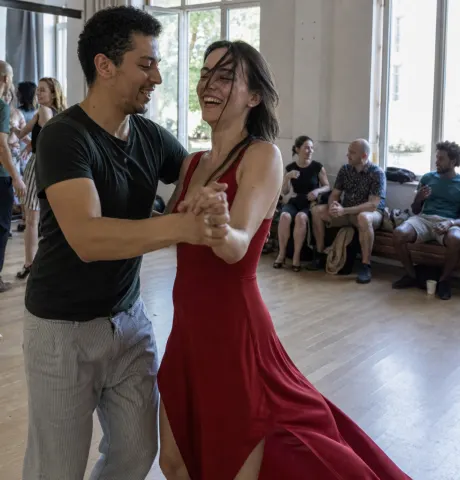
Competitive dancing and performance-oriented recreational sports require more than just the joy of dancing: here, shared training goals, physical harmony, and absolute reliability in every step are what count.

Prerequisites for getting started with dance

  • Knowledge of your own dance level or competition class
  • Willingness to commit to at least two fixed training days per week
  • Suitable dance shoes for Standard or Latin with chrome leather soles
  • Willingness to invest in coaching sessions and studio rentals
  • Basic physical fitness for several hours of performance training

Athletic requirements in performance-oriented couple dance

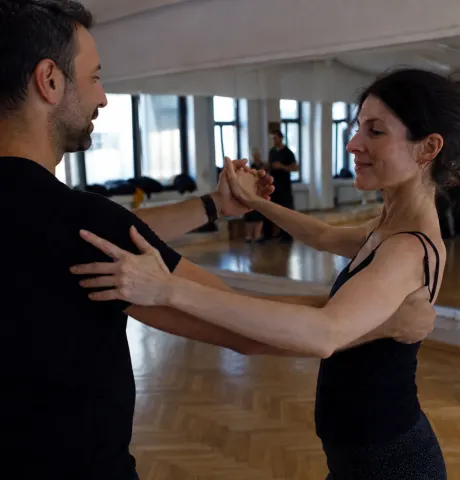
If you want to grow beyond the classic dance course in Dresden, you are not looking for a casual evening companion, but for athletic commitment. In performance-oriented dance sport, millimeter-precise posture, rhythmic precision, and a harmonious sense of the body determine success. Couples in tournament sports and ambitious recreational sports spend many hours together on the dance floor, which is why anatomical factors such as height and stride length must harmonize just as much as personal training ambition.

For finding a partner in tournament dance, a structured approach is recommended: clarify your starting class in Standard or Latin dances as well as your realistic weekly time budget in advance. Platforms like udansa make it possible to filter specifically for training goals and to arrange a structured trial dance. Such meetings are not about flawless choreographies, but about the mutual ability to react to leading impulses and mutual feedback in the final round area. If you are looking for a historic ambiance for social occasions, you might know the Ballhaus Watzke in Dresden, but daily sports training requires focused work on technique and conditioning.

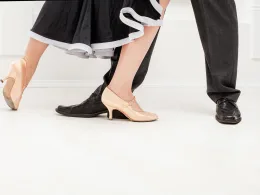
At a competition level, clean foot positions and synchronous weight shifts determine your shared balance in the room.

Step by step to a steady dance partner

  1. Create your dance profile

    Describe your previous dance experience, your target competition class, and your availability for weekly training sessions. This way, you filter out purely recreational requests from the start.

  2. Target candidates specifically

    Search on udansa for dancers with a matching level, similar height, and the same disciplines. Get in touch in writing and compare your athletic training goals.

  3. Conduct a structured trial dance

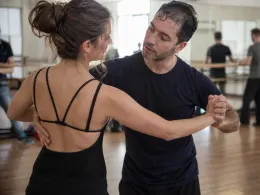
    Meet in a practice studio for a joint session of no more than 90 minutes. Dance simple basic elements in a closed position to test your sense of rhythm and frame stability.

  4. Evaluate constructive feedback

    Talk openly about posture, pressure points, and mutual chemistry right after the session. Make a clear decision about a permanent dance partnership within a few days.

Success factors in competitive partner dance

How to find the right dance partner

  • State your own skill level and tournament ambitions openly from the start
  • Consider height and proportions realistically during your initial selection
  • Arrange a neutral trial dance and focus on the basics
  • Discuss costs for coaching sessions and competition books transparently in advance

Typical missteps

  • Overestimating your own level or hiding dancing deficiencies
  • Ignoring height differences of over twenty centimeters in ballroom dancing
  • Wanting to jump straight into complex competition routines without preparation
  • Discussing financial expenses for competitive dancing only after months

Stages of finding a dance partner

Before getting in touch

Preparation

During the trial dance

Getting to know each other

After the decision

Commitment

Frequently asked questions

  1. The trial dance should last between 60 and 90 minutes. This time is sufficient to realistically assess the pairing potential during basic steps, initial figure sequences, and under exertion, without overstraining concentration.

Dance sport and partner dance in Dresden

Find suitable training offers and clubs for ballroom and Latin in your area.

Find your dance partner on udansa

Create your profile with your skill level, dance goals, and training times to find suitable partners for competitive or social dancing.

Find your dance partner on udansa

Read more