Dance partner5 minutes

Dancing as a single in Hamburg: How to find a dance partner

By Bernhard De LucaUpdated

In brief
  • In Hamburg, you can start as a single dancer with an open dance class or a session without a regular partner.
  • With partner rotations, you switch partners regularly during class and practice with several people.
  • If the class does not include rotation, ask before signing up whether you can register alone and whether partner matching is possible.
  • To meet people repeatedly, attend regularly, be clear about your dance level, and make a friendly suggestion to practice together.

Dancing creates a natural opportunity to connect with one another: you share music, movement, and small learning milestones. Whether that develops into a dependable dance partnership also depends on how open the format is.

DefinitionPartner rotation

Partner rotation refers to changing dance partners during a class. This way, you practice the same move with different people instead of being paired with one person throughout.

A class can create opportunities to meet people without forcing them

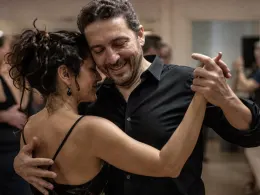
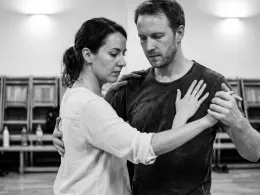
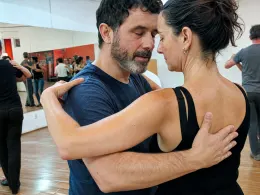
In Hamburg, you don’t have to arrange a partner before trying a partner dance class. Some classes welcome individuals and have partners switch during the lesson. This gives you a chance to meet people in a clear setting: you practice the same movement, can ask questions, and find out who you enjoy dancing with.

That’s different from a guarantee that someone will be permanently assigned to you. Some classes require you to sign up as a pair; others handle partner changes flexibly. So read the class description and, if you’re unsure, ask directly whether individual sign-ups are possible. In Hamburg, there are also open movement sessions such as All Moves, a chance to try it out with no prior experience. This can be an accessible first introduction to dance, even though not every session is a partner dance format.

When comparing classes, don’t focus only on the dance style. Group size, partner-changing rules, and the opportunity to keep practicing after class also affect whether you feel comfortable coming on your own.

When switching, briefly making eye contact and leaving space makes it easier for others to join in.

The right format shapes the first interaction

A weekly class and an open dance night offer different situations. In a class, you see each other again and learn the same steps. This makes it easier to talk about movement and progress. An open format calls for more initiative: you have to decide for yourself who to approach, when you want to dance, and whether you would rather watch first. Both can work, but not equally well for everyone.

Think ahead about what would make it easier for you to get started. Would you prefer clear guidance and a regular group, or free-flowing music and brief encounters? An overview of different dance class formats can help you weigh up this question. For events, it is also worth checking the schedule: Are there guided dances, a free-dance segment, or an opportunity to arrive on your own? The guide to dance events and their formats can help you compare.

If you don't know anyone in a group, a simple opening line can help: “I'm here for the first time today, is there still room for the next dance?” You don't have to turn it into a big conversation. A brief yes or no is part of the situation.

Coming Together Through Dance

Yes, this way

  • Before signing up, ask about partner rotation
  • When changing partners, make eye contact and give a friendly nod
  • Clearly state your level and the dance styles you want to learn
  • After the class, ask specifically about practicing together

What not to do

  • Assuming that every class pairs people up
  • Standing off to the side during partner changes and looking at your phone
  • Hiding or exaggerating your advanced experience
  • Treating an invitation as a firm commitment to meet again

Switching partners takes the pressure off having to find the one right person right away.

Partner dance instructor

Clear expectations turn encounters into dance partnerships

A pleasant dance is not yet an agreement to practice regularly. If you’d like to dance with someone again, suggest something specific: a practice session together after class or a visit to another open dance event. Leave room for a no, and don’t take it as a judgment of you or your dancing. That keeps the encounter relaxed.

It helps to talk about practical expectations early on. Are you looking for someone to dance socially with from time to time, or to practice regularly? Which styles interest you, and how confident do you already feel? In a committed dance partnership, both of you should have roughly the same idea of what commitment means. If you’re looking for dance partners on udansa, you can make these details clear and concise instead of just asking generally for a partner.

Roles also don’t have to be tied to gender. If you’d like to learn to lead or follow, mention that openly and see whether the other person is interested too. In the end, what matters is that you communicate respectfully, accept boundaries, and can adjust to each other while dancing.

Two Ways to Get into Partner Dancing

Course

Learn together

Practice moves and meet people along the way

A course gives you regular opportunities to meet and a shared learning goal. With partner rotation, you get to know different leading and following styles without committing to one person early on.

Session

Dance more freely

Music and connection without a fixed schedule

An open session gives you more room to approach others yourself and watch between dances. It takes a little courage to ask someone for the first dance, but you can more easily decide for yourself how fast to go and how long to stay.

Frequently Asked Questions

  1. Yes, some classes allow individuals to participate and rotate dance partners during the lesson. However, this is not handled the same way everywhere. Before booking, ask whether there is partner rotation, whether someone is there to help match people up, and what happens if the group numbers do not work out evenly.

Partner dance courses in Hamburg

Compare course formats you can join even without a regular dance partner.

Your next dance starts together

On udansa, you’ll find dance classes and events in Hamburg where you can get dancing with others. Compare formats and find a starting point that suits your experience level.

Your next dance starts together

Read more