Kids dance4 minutes

Jazz Dance for kids: dynamics and expressiveness

In short
  • Jazz Dance for children combines technical precision with emotional expressiveness and modern music.
  • The dance style is distinguished from ballet by its grounded, dynamic movements and from street dance by its structured technique.
  • Children's dance schools teach the basics in a playful way using vivid explanations and age-appropriate choreographies.
  • The training strengthens body coordination, develops a sense of rhythm, and boosts the children's self-confidence.

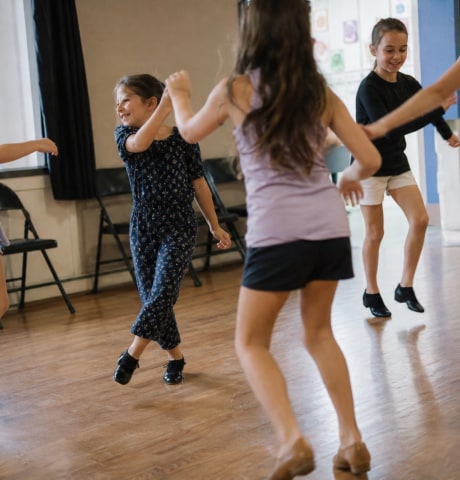
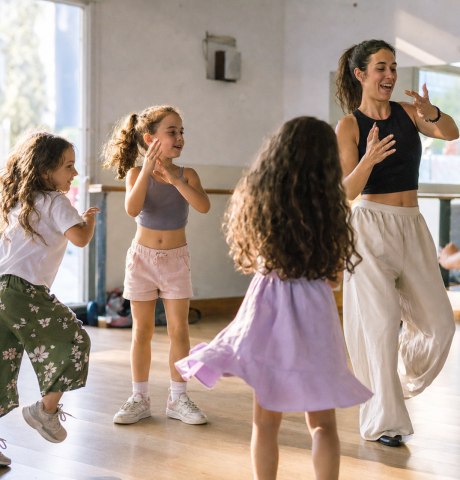
Jazz Dance for kids combines the precision of classical dance with the pure energy of modern music. Here, kids can express their creativity while playfully developing strong posture and a sense of rhythm.

DefinitionJazz Dance for kids

Jazz Dance for kids is a modern, rhythmic dance style that combines African American dance elements with European ballet technique. It is characterized by fast footwork, isolations of individual body parts, and a high level of expressiveness to modern music.

The golden mean between structure and freedom

Jazz Dance for children fills an important gap in dance pedagogy. While classical ballet demands a strict, often rigid posture and leaves little room for spontaneous feelings, jazz dance focuses on the natural dynamics of the body. Here, children learn from the very beginning to move their body in isolation. This means that, for example, the shoulders or the pelvis move to the rhythm independently of the rest of the body. This coordination trains body awareness in a way that other dance styles can hardly offer.

At the same time, the style differs significantly from street dance, which relies heavily on improvisation and urban casualness. In a good jazz dance school for children, kids learn a clean, upright technique based on jumps, turns, and fluid weight shifts. This technical foundation gives children security and protects them from poor posture, while at the same time giving them the freedom to let their own personality and emotions flow into their movements.

How jazz technique is taught in a child-friendly way

To get children excited about jazz technique, dance teachers must package traditional exercises into child-friendly imagery. No one wants to count dry step sequences at a young age. Instead, the warm-up becomes a journey of discovery. When children learn to move silently through the room like prowling panthers, they are training their deep leg muscles, the so-called plie, on the side. The famous jazz hands, where the fingers are spread wide, can be playfully taught as sparkling stars or bouncing sunbeams.

This playful teaching of jazz dance basics for children ensures that fun remains the focus, while the body performs complex coordination tasks unnoticed. Children learn to perceive accents in the music and interpret them with quick, crisp movements. This promotes not only flexibility but also a logical understanding of rhythm and dynamics. A great advantage is also that these playful elements capture attention and thus increase children's concentration, which also has a positive effect on everyday school life.

How to make a playful start in Jazz Dance

Correct

  • Use vivid explanations for the steps
  • Pay attention to an upright and healthy posture
  • Use modern and motivating music

Wrong

  • Forcing dry counts without imagery
  • Overloading joints through incorrect technique
  • Playing only classic, dusty jazz tracks

In jazz dance, children are allowed to be loud, feel the floor, and put all their energy into their movement without losing technical precision.

Children's dance instructor, Hamburg

Modern Jazz as a source of expression in everyday life

Modern Jazz dance for children taps into the world of today's generation. The music is fresh, energetic, and often influenced by current pop or musical songs. This motivates children immensely, as they recognize the sounds from their everyday lives. In the choreographies, classic jazz elements blend with modern dance styles, which makes the lessons extremely varied. Every class is a new opportunity to burn off energy and work on your posture at the same time.

For parents, the question often arises whether their child is ready for this dynamic style. A simple test to see which dance style fits can provide initial insights here. Jazz dance is particularly suitable for children who have a lot of energy, enjoy moving to rhythmic music, and at the same time find joy in telling small stories through their body expression. It is the perfect stage for little personalities who want to shine.

Two worlds in one dance: strength and lightness

Dynamics

Grounding and power

The powerful side of Jazz Dance

This is all about grounding, deep movements in the knees, and direct contact with the floor. Gravity is actively used to set powerful accents.

Expression

Alignment and breadth

The elegant side of Jazz Dance

The alignment of the spine, elegant turns, and broad jumps bring lightness to the dance. They form the technical foundation for the movements.

Frequently Asked Questions

  1. Starting at about six years old is ideal. At this age, children have the necessary concentration and body control to purposefully implement the isolations and rhythms of Jazz Dance.

Jazz dance classes for kids near you

Find the perfect dance school on udansa and let your child discover the joy of movement.

View all matching courses

Discover the right Jazz course

Here you can easily find the right Jazz class or a great dance school in your area, so your child can get started right away.

Discover the right Jazz course