Group size as the key to learning success
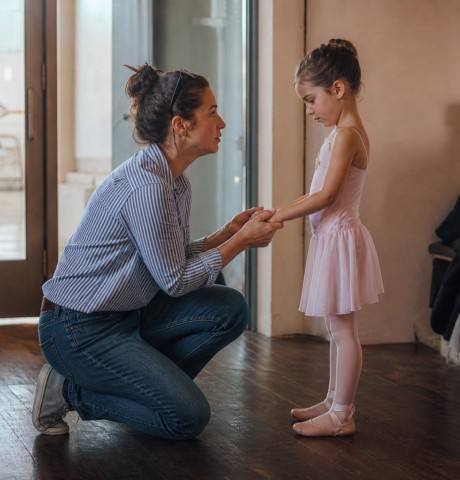
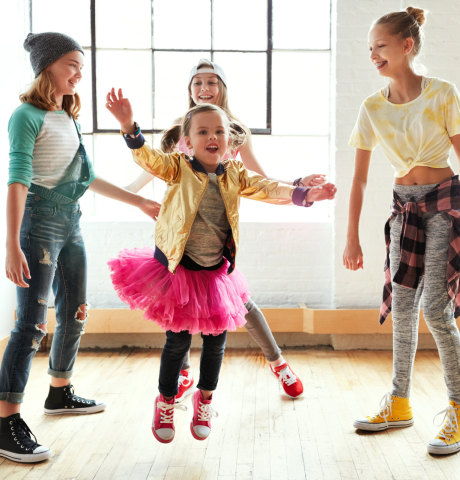
Children's dance is about much more than just learning steps. The little ones discover their own bodies, train their coordination, and learn social interaction in a group. For this to succeed, the learning environment must be right. An overcrowded dance class quickly leads to shy children being overlooked, while more boisterous kids take over the room. The group size in children's dance significantly determines how intensively the teacher can focus on each individual child. Only when the room is not overcrowded is there enough space for creative development and safe movement without constant collisions.
Why the space for movement is crucial
Children between the ages of three and six do not yet have a fully developed sense of spatial orientation. When dancing, they need significantly more physical space than adults to stretch out their arms and legs without worry. If the number of participants in a children's dance course is too high, this space shrinks drastically. This not only restricts their dance expression but also increases the risk of accidents. A well-structured course ensures that every child retains their own little comfort zone to move to the music freely and without fear of bumping into others.