Senior dance3 minutes

Senior dance health checklist: Train safely from 50

In a nutshell
  • Targeted preparation for your first dance class effectively protects older beginners from joint pain and cardiovascular strain.
  • Choosing the right dance style and consulting your family doctor form the foundation for safe training.
  • The right equipment, including flexible shoes and breathable clothing, ensures stability and prevents overheating on the dance floor.
  • Being mindful of your own energy levels and taking sufficient breaks for water ensures long-term enjoyment of dancing in your later years.

Getting started with senior dance brings new momentum to your everyday life, but it requires smart preparation. With the right planning, you avoid physical strain and start your new hobby in complete safety.

How we selected the preparation steps

  • Practical feasibility

    All recommended measures can be implemented in everyday life without much effort before the first day of the course.

  • Preventive benefits

    These points are aimed directly at protecting the cardiovascular system and the musculoskeletal system from strain.

  • Scientific basis

    The selection is based on sports science recommendations for the age group 50 and older.

  • Independent selection

    No provider or manufacturer has paid for placement or mention on this list.

The right preparation builds confidence: If you enter the dance studio well prepared, you will dance with ease and confidence from the very first minute.

The 5 most important steps to prepare for dancing after 50

  1. 01

    Get medical clearance

    At home, 1 to 2 weeks before the course, one-time

    • Health check
    • doctor
    • safety

    A quick check-up with your GP will clarify your personal fitness level. Especially if you have pre-existing conditions, this clearance provides the necessary security for your start on the dance floor.

  2. 02

    Choosing the right dance style

    Online or at the dance school, before booking

    • Style selection
    • standard
    • getting started

    Beginners over 50 should start with moderate styles like ballroom dance or slow Latin rhythms. These styles offer balanced exertion without sudden, hectic turns or jumps.

  3. 03

    Check for joint-friendly footwear

    Shoe store or specialist retailer, before your first class

    • Equipment
    • dance shoes
    • clothing

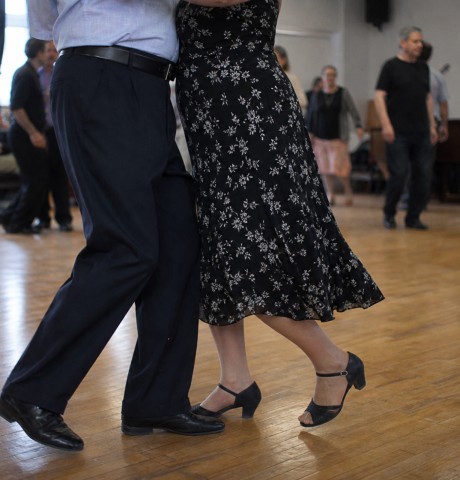
    Shoes with good support and a sole that allows for turning are essential to relieve strain on your knee and hip joints during changes of direction. Your clothing should be breathable and allow for movement.

  4. 04

    Prepare your water bottle and hydration

    At home, on the day of the course, ongoing

    • Hydration
    • circulation
    • preparation

    Adequate hydration keeps your joint lubrication active and supports your circulation. Pack a light, shatterproof water bottle with still water or diluted juice.

  5. 05

    Respect your own physical limits

    In the dance studio, during class, at all times

    • Mental attitude
    • breaks
    • mindfulness

    Make it your goal to complete every exercise at your own pace. Consciously planning short breaks protects your heart from overexertion and ensures that your concentration remains high.

Entering your first class with ease and mindfulness

Once you have worked through your personal checklist, it is time to put it into practice in the dance studio. During your first class, pay special attention to your body's signals and do not be afraid to take breaks. Many beginners tend to reactivate the ambition of their youth, but dancing at an older age is about continuous, healthy movement rather than peak athletic performance. A good dance instructor will always support you in adapting steps or slowing down the tempo. Also, use the social breaks to chat, as the community contributes significantly to mental relaxation. If you would like to strengthen your mindset beforehand, take a look at our guide on boosting self-confidence in old age through dancing to step onto the dance floor with a secure feeling.

Numbers for a safe start to your training

weeks of lead time for the medical check-up
2
minute water break recommended during the course
15
percent moderate entry pace
100

Frequently Asked Questions

  1. Yes, a quick consultation with your GP or cardiologist is advisable if you are over 50 before you start. Your doctor can assess your individual physical capacity and provide valuable advice for your training.

Senior dance classes near you

Find the right start for safe and healthy dance enjoyment.

View all suitable classes

Find your dance course from 50

On udansa you will find like-minded people in your age group as well as dance schools that offer special, joint-friendly courses for best agers. Simply join an active community that perfectly combines joy of life and health.

Find your dance course from 50

Read more