Heart health4 minutes

Boost heart health: How dancing strengthens the circulation from 50

In short
  • Regular senior dance strengthens the cardiovascular system through continuous and gentle movement in the aerobic range.
  • Moderate endurance training improves oxygen uptake in the body and lowers blood pressure as well as resting heart rate in the long term.
  • Activating the muscle pump in the legs supports blood return to the heart and noticeably relieves the vascular system.
  • Two moderate dance sessions per week are enough to noticeably increase physical resilience and endurance in everyday life.

If you want to stay active at a mature age, you are often looking for a sport that is effective and brings joy at the same time. Dancing combines movement with music and strengthens your cardiovascular system in a particularly charming and sociable way.

DefinitionSenior Dance

Senior dance describes specially adapted dance forms and movement sequences for older people that promote physical fitness. It combines joint-friendly steps with moderate rhythms to train the cardiovascular system without overexertion.

How movement on the dance floor stimulates blood flow

Over the years, the elasticity of blood vessels changes, and the heart has to work harder to supply the body with oxygen. Pure strength training is often not enough to keep these delicate structures elastic. This is where senior dance for cardiovascular health comes in: continuous, coordinated movement stimulates blood flow without exposing the body to abrupt peaks in exertion. Unlike monotonous running on a treadmill, dance challenges the body in various planes of movement.

Through rhythmic stepping forward and backward as well as gentle turns, the so-called muscle pump in the legs is activated. This actively supports the return transport of blood to the heart. This noticeably relieves the entire system and provides gentle, yet highly effective cardio in old age. Anyone who regularly dances strengthens the heart muscle sustainably, so that it can transport more blood per beat and works more economically in everyday life.
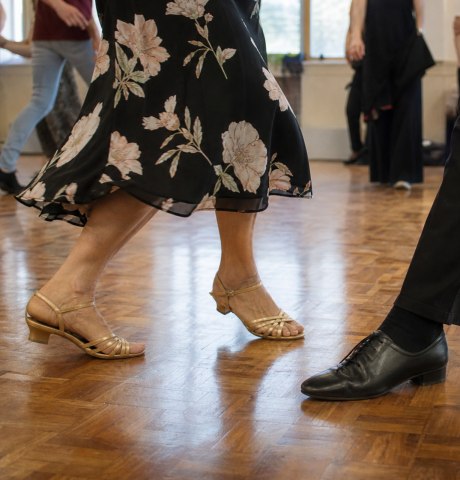
The right sequence of steps not only brings structure to the dance, but also specifically activates the calf muscles to support blood circulation.

Moderate endurance training instead of overloading in the red zone

A common misconception regarding cardio in old age is the assumption that only intense sweating and shortness of breath lead to a real training effect. The opposite is the case, especially when it comes to sustainable heart health through dancing. Moderate endurance training for seniors is characterized by the fact that the exertion is spread over a longer period of time and the pulse remains in a stable, aerobic range.

Dance styles such as slow Waltz, Foxtrot, or a gentle Discofox are excellently suited for this steady training. Anyone who would like to delve deeper into general fitness in their mature years will find valuable tips in the guide Senior dance for health: Active in a lively and joint-friendly way. Thanks to the music, time flies, so dancers are often active for an hour without even noticing it, which would require much more willpower on a home trainer.

Train your heart safely and effectively

Training correctly

  • Dance in the aerobic range and still be able to hold a conversation
  • Schedule moderate sessions regularly twice a week
  • Listen to your own body and take breaks when exhausted

Avoid overexertion

  • Exerting yourself until you are completely breathless and exhausted
  • Only dancing extremely intensely once every few weeks
  • Ignoring warning signs like dizziness or a feeling of pressure

Dancing is the best medicine for the heart, because we train our pulse while completely forgetting about everyday life and stress.

Dance teacher, Hamburg

More energy for everyday life through increased stamina

Anyone who dances regularly benefits from significantly increased stamina in everyday life. Climbing stairs becomes easier, walks become longer, and general exhaustion throughout the day decreases. This increased tolerance for physical exertion is the direct result of a trained cardiovascular system. Through regular moderate exertion, the body learns to use oxygen in the muscles more efficiently.

To make the most of this effect, consistency is the key. Two dance classes per week are already enough to achieve measurable improvements in cardiovascular fitness. If you are wondering how best to start this new hobby, the comprehensive guide Dancing over 50: Fit, active and social in your prime offers wonderful guidance for your way back onto the dance floor.

Two ways to a strong heart on the dance floor

Consistency

The steady flow

Gentle endurance training in three-quarter time

When dancing with a continuous flow like the Waltz, your heart rate remains at a steady, moderate level. This is ideal for building basic endurance in a gentle way.

Dynamics

The playful interval

Lively tempo changes for the heart

Dances like the Quickstep or a spirited Discofox vary in their dynamics and challenge the cardiovascular system a little more for short periods. This strengthens the adaptability of the blood vessels.

Frequently Asked Questions

  1. Yes, dancing is excellent endurance training for seniors. It challenges the entire body over a longer period in the aerobic range, which increases the heart's pumping capacity and keeps the blood vessels elastic.

Senior dance classes near you

Find the right class and get your heart pumping in a healthy way.

View all matching classes

Strong together for your heart

On udansa, you will find suitable dance courses for seniors and like-minded people in your area to get your circulation moving. Sign up and start your journey to more vitality and zest for life.

Strong together for your heart