How moving to music trains your reaction time
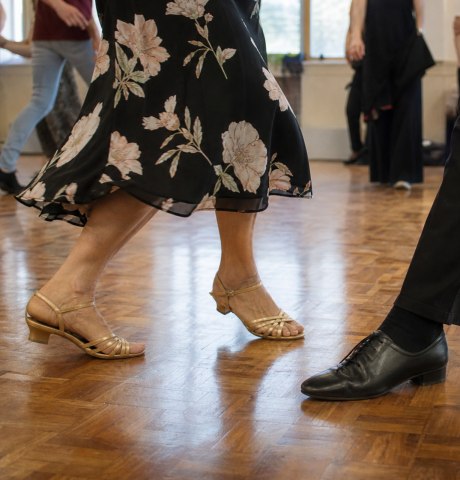
Over the years, our physical conditions change. Muscle mass naturally decreases, and the reaction time of our nerve pathways slows down slightly. This has a direct impact on our balance as we age. Often, an unnoticed sense of insecurity creeps in, leading to shorter and more cautious steps in everyday life. This is exactly where senior dance for fall prevention comes in. When dancing, we do not move rigidly in one direction, but we constantly change tempo, turn, and adapt our steps to the rhythm.
These dynamic movements challenge both the brain and the body equally. The brain must coordinate in fractions of a second where the feet are and how the weight needs to be shifted. Those who dance regularly train these unconscious compensatory movements in a playful way. If you stumble, your body can react faster and more effectively to catch the fall. However, before you start with gusto, targeted preparation helps. Feel free to check out our guide Safe on the dance floor: The best warm-up routine from 50 to optimally prepare your joints for the movement.