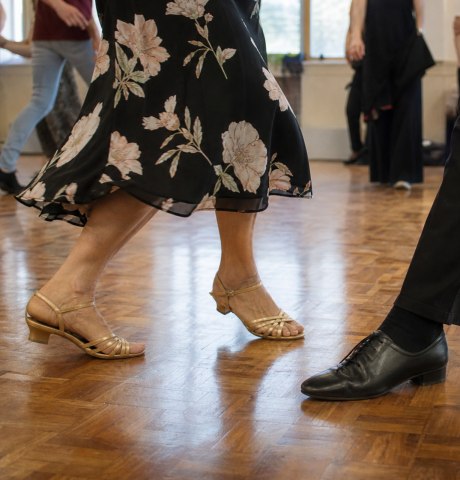
Why movement is the best protection for your new joint
An artificial joint by no means signifies the end of your passion for dance. On the contrary: movement is enormously important for the long-term stability and nourishment of the cartilage replacement as well as the surrounding musculature. Exercise with an artificial joint promotes blood circulation and strengthens the tendons that support the new joint. It is important, however, that the acute healing phase and medical rehabilitation are completely finished. Only when your orthopedist or treating physiotherapist gives the green light can you slowly venture back to the music.
When dancing with a joint prosthesis, the focus is on protection against extreme strain. While a hip prosthesis is particularly sensitive to strong rotations and deep bends, a knee prosthesis requires protection against hard impacts and extreme twisting under load. A gentle partner dance like a slow Waltz is perfect for regaining balance and coordination. If you want to train your own body awareness in dance, it will help you to assess your limits of strain in everyday life and on the dance floor much more precisely.