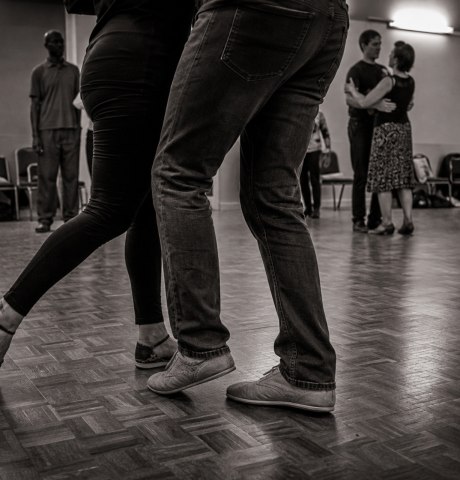
Find your Kizomba community online
On udansa connect, you meet like-minded people who share your enthusiasm for the different sounds, and you find the right dance classes.

By Mary De LucaUpdated

On udansa connect, you meet like-minded people who share your enthusiasm for the different sounds, and you find the right dance classes.
The world of Kizomba music is incredibly multifaceted, ranging from traditional Angolan instruments to hypermodern, electronic club beats. If you understand the subtle differences between the styles, you will hear the music on the dance floor with completely new ears.
Cultural relevance
Only historically and globally established music styles of the Kizomba family are considered.
Influence on dance
The styles must have a direct, demonstrable influence on the development of the global dance scene.
Independent selection
This overview was created independently and without financial contributions or sponsored placements from artists.
Angola, origin from the 1950s, fast and energetic
Traditional Semba is the direct precursor to Kizomba music. With its fast, syncopated rhythms and its often humorous, celebratory mood, it brings the pure joy of life from Angola directly to the dance floor.
Angola, heyday in the 1980s and 1990s, medium tempo
The classic Kizomba sound emerged in the 1980s through the fusion of Semba with the then extremely popular Caribbean Zouk. It is characterized by acoustic instruments, a clear, warm bassline and often longing Portuguese lyrics.
Europe and Cape Verde, from the 2000s, medium-fast to slow
This style revolutionized the scene by merging the classic beat with modern R&B melodies, synthesizers, and electronic sound effects. Today, the Ghetto Zouk beat is the dominant sound on most international dance floors.
Angola, originated in the 1990s, very slow and heavy
Tarraxinha is extremely bass-heavy, minimalist, and often significantly slower than the classic version. The music frequently avoids complex melodies and focuses instead on a hard, hypnotic, and continuous drum beat.
France, development in the 2010s, experimental and digital
Tarraxo is a modern, highly electronic evolution of Tarraxinha. The sound is characterized by metallic, almost industrial tones, synthetic sound effects and extremely choppy, precise tempo changes.
The evolution of Kizomba music impressively shows how traditional African rhythms are constantly developing through global influences and modern studio technology. While the classic Semba rhythm and the traditional Kizomba sound are deeply rooted in Angolan culture, the influences of Caribbean Zouk and later the fusions with R&B in Ghetto Zouk have ignited enormous dynamics. This musical diversity is reflected on dance floors worldwide today.
For dance enthusiasts, understanding these musical differences is the key to interpreting the subtle nuances in movement. Anyone who can distinguish the driving force of Semba from the minimalist beats of Tarraxo or the emotional melodies of Ghetto Zouk develops a completely new feel for the music. If you want to dive deeper into the practical basics, our guide on Kizomba steps for beginners will help you translate what you hear into your first movements. The musical journey from the dusty streets of Luanda to the modern clubs of Europe remains one of the most exciting developments in the history of modern partner dance.
Kizomba originated in Angola in the 1980s. The musical style developed from the fusion of traditional Angolan Semba with the rhythmic influence of Caribbean Kassav-Zouk.
The Ghetto Zouk beat is characterized by a more modern, often slower tempo and combines typical Kizomba rhythm with soft R&B melodies as well as synthetic sounds. It sounds significantly more electronic than traditional styles.
Semba is significantly faster, more cheerful, and rhythmically driving than Kizomba. While Kizomba often appears soft and melancholic, Semba thrives on an energetic, celebratory atmosphere.
Discover suitable dance courses and find the rhythm that suits you.
 The history of Kizomba: From its Angolan roots to a global danceDive into the history of Kizomba. Learn how Angolan traditions and Caribbean beats combined to create a global dance phenomenon.
 Kizomba Style Quiz: What kind of dancer are you?Find out with our quick self-test whether you are more of a traditional Kizomba dancer or if you feel at home in modern Urban Kiz.
 History of Ghetto Zouk: How the sound changed KizombaGhetto Zouk has taken the Kizomba world by storm. Learn how the fusion of Caribbean rhythms and electronic beats became a global dance trend.
 What is Tarraxinha? Definition and musical rootsTarraxinha shapes the Kizomba world with heavy, electronic beats and a minimalist aesthetic. Learn where this style from Angola comes from and how it changed music.
 Kizomba in Cape Verde: The influence of Passada and ColadeiraKizomba has roots beyond Angola. Learn how the Cape Verdean styles Passada and Coladeira shaped the dance with their elegance and melancholy.
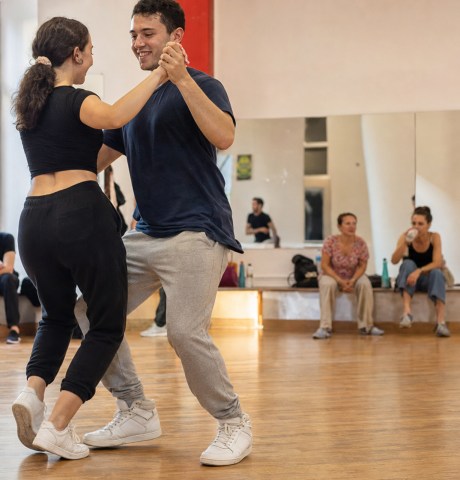 Kizomba Music Trends 2026: The latest sounds in the sceneKizomba music is evolving rapidly. We show you the most important trends and electronic influences that will dominate the dance floors in 2026.
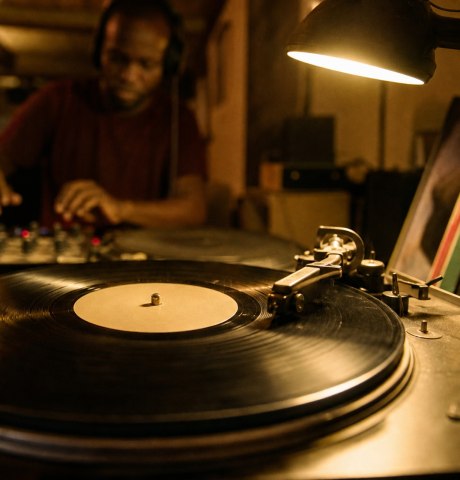 Kizomba Music Legends: The Pioneers of the Global DanceFind out which visionary musicians and DJs brought the Kizomba sound from the streets of Luanda to dance floors all over the world.