

Find your dance connection with udansa
On udansa, you will find dance enthusiasts in your area who love traditional rhythms just as much as you do, as well as the right courses to get you started.

By Mary De LucaUpdated

On udansa, you will find dance enthusiasts in your area who love traditional rhythms just as much as you do, as well as the right courses to get you started.
If you want to understand the roots of Kizomba, you must not only look at Angola. The Cape Verdean islands played a decisive role in the emergence of the dance, as the local Cape Verdean dance music significantly shaped the rhythm and the attitude to life. Through the close connection of the Portuguese-speaking countries, styles like Coladeira and Passada reached Luanda and merged there with local rhythms. When you dive deeper into the Kizomba history, you will quickly realize that the soft, flowing character of Kizomba would be hard to imagine without these influences.
The passada dance cape verde coladeira kizomba connection is particularly evident in the movement of the hips and the close embrace of the dancers. While the Angolan Semba is often playful, fast, and characterized by acrobatic steps, the Cape Verdean Passada brought a sustained, almost floating elegance to the partner dance. This calm, continuous weight transfer became a trademark of traditional Kizomba. Anyone learning a classic Kizomba partner dance today feels the melancholic and at the same time warm soul of the Cape Verdean musical tradition in every slow turn.
Focus entirely on the music and let the steady, soft basic beat of Cape Verdean music sink into your body before you take your first step.
Adopt an upright but relaxed posture and establish a gentle, broad upper body connection, which is typical for the Passada.
Move forward to the beat of the Coladeira with soft, continuous walking, where each step flows seamlessly into the next.
Use the gentle weight transfer in your pelvis to signal changes in direction without any rush or interruption to your shared flow.
Passada refers to both a Cape Verdean musical style and the associated dance style, which is characterized by calm, fluid walking in a pair. This dance style significantly influenced the close embrace and continuous footwork of traditional Kizomba.
Coladeira is a traditional, medium-tempo musical style from Cape Verde, characterized by a catchy rhythm in two-four time. It provided the rhythmic lightness and tempo that facilitated the transition from the faster Semba to the softer Kizomba.
No, Kizomba and Passada are closely related but not identical. Passada is the Cape Verdean precursor and dance style, while Kizomba emerged in Angola as an independent genre from the fusion of these Cape Verdean influences with Angolan Semba.
Experience the magic of traditional rhythms and learn Kizomba from scratch.
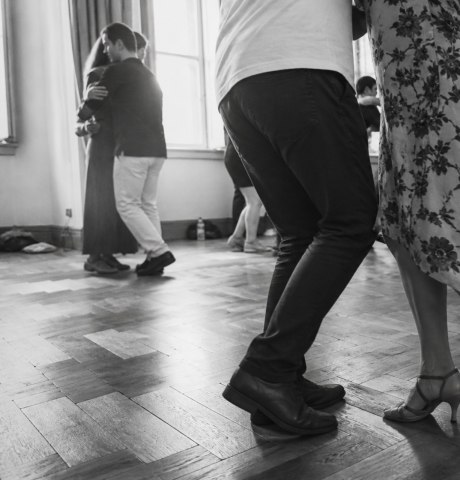 The history of Kizomba: From its Angolan roots to a global danceDive into the history of Kizomba. Learn how Angolan traditions and Caribbean beats combined to create a global dance phenomenon.
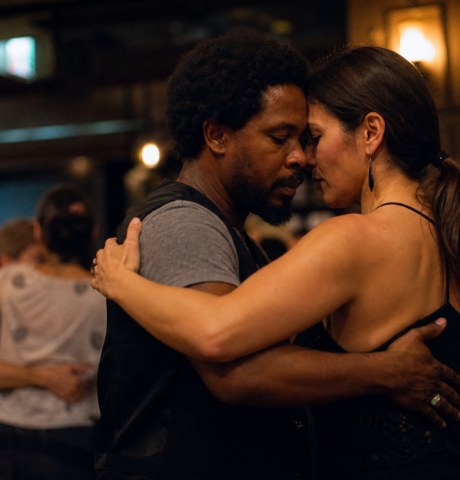 Learn to dance Kizomba: The guide to the partner danceKizomba combines African rhythms with a deep, emotional connection in partner dance. Learn how to master this fascinating dance style from scratch.The history of Kizomba: From its Angolan roots to a global danceDive into the history of Kizomba. Learn how Angolan traditions and Caribbean beats combined to create a global dance phenomenon.
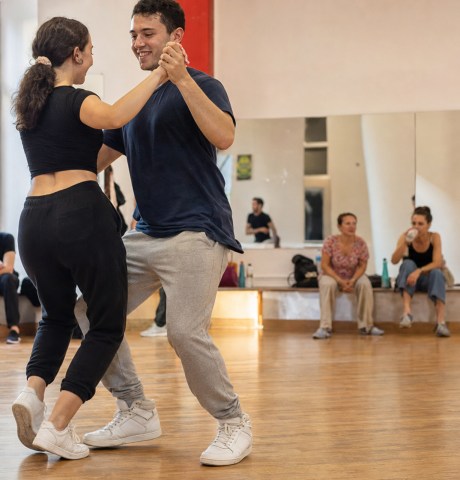 Kizomba Music Trends 2026: The latest sounds in the sceneKizomba music is evolving rapidly. We show you the most important trends and electronic influences that will dominate the dance floors in 2026.
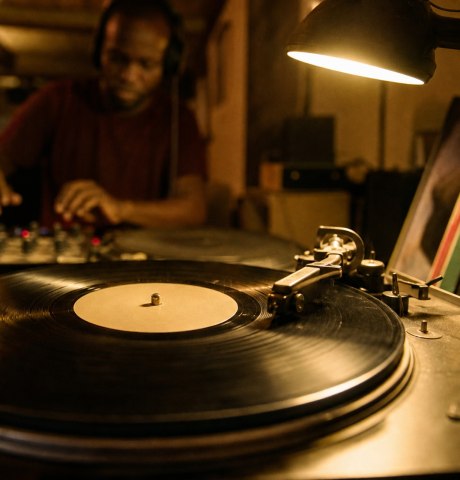 Kizomba Music Legends: The Pioneers of the Global DanceFind out which visionary musicians and DJs brought the Kizomba sound from the streets of Luanda to dance floors all over the world.
 Kizomba culture in Angola: Meaning and traditionsDive into the fascinating Kizomba culture of Angola and learn why this dance is a multi-generational family celebration there and how it differs from the West.
 Kizomba in Europe: How the dance conquered the continentKizomba conquered all of Europe from Portugal and France. Discover how this sensual partner dance spread across the continent and which styles emerged from it.
 The history of Tarraxo: Origins and distinctionsLearn how the urban dance and music style Tarraxo developed in Europe and how it fundamentally differs from traditional Tarraxinha.
 Zouk vs. Kizomba Rhythm: A Music ComparisonZouk and Kizomba share common roots, but they sound completely different on the dance floor. This guide analyzes their rhythmic structures and shows you how to instantly distinguish the beats.