Dance clothing5 minutes

Contemporary dance clothing: Should you train in socks or barefoot?

In short
  • Long and elastic clothing protects the skin from painful friction during floorwork.
  • Dancing barefoot offers maximum grip and precise control during jumps and turns.
  • Special dance socks allow for smooth gliding while providing grip in the right places.
  • Avoid zippers and buttons during training to prevent pressure points on the floor.

Choosing the right clothing is crucial for safety and expressiveness in contemporary dance. Learn how to equip yourself perfectly for the studio so you can train fluently and without injury.

DefinitionDance socks

Dance socks are socks specifically developed for dance sports, which offer the perfect balance between sliding and grip on the studio floor thanks to integrated grip and glide surfaces.

The perfect outfit for contemporary dance class

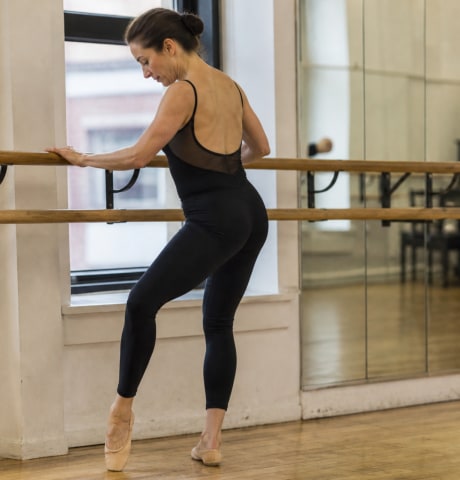
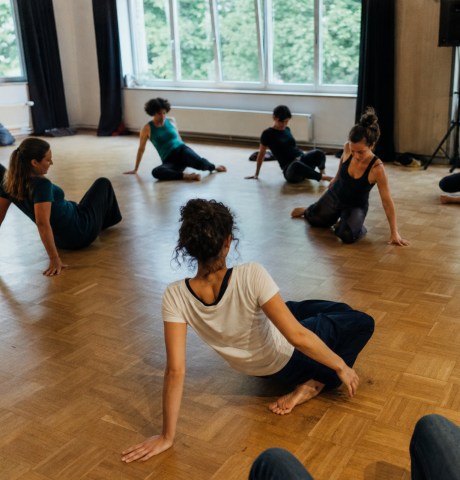
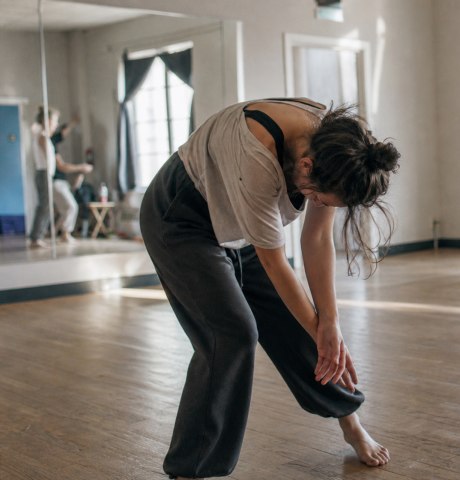
Clothing in contemporary dance differs fundamentally from that in classical ballet or Hip-Hop. It is not about emphasizing muscles extremely or showing wide streetwear silhouettes. A good modern dance outfit for beginners is characterized above all by functionality, elasticity, and protection of the skin. Since you have a lot of contact with the floor in class, long clothing is often the best choice. Long, elastic sports pants or leggings protect your knees from friction and bruises during quick transitions.

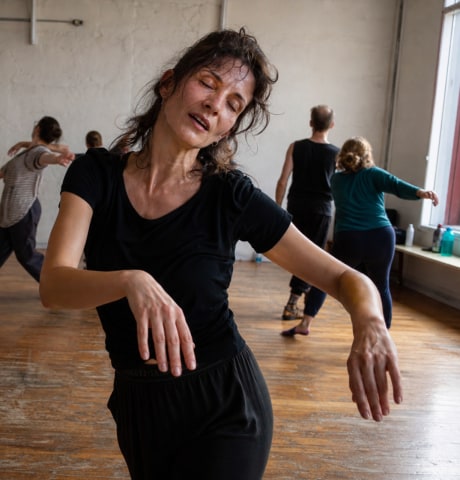
The pants are best combined with a comfortable T-shirt or a long-sleeve shirt in a layered look. Clothing that is too wide can hinder you while dancing or block the instructor's view of your posture. A well-fitting, but not restrictive top is therefore ideal. If you would like to engage more intensively with the typical movement sequences on the floor, you will find valuable tips for the fluid transition from standing to the floor in our contemporary floorwork guide.
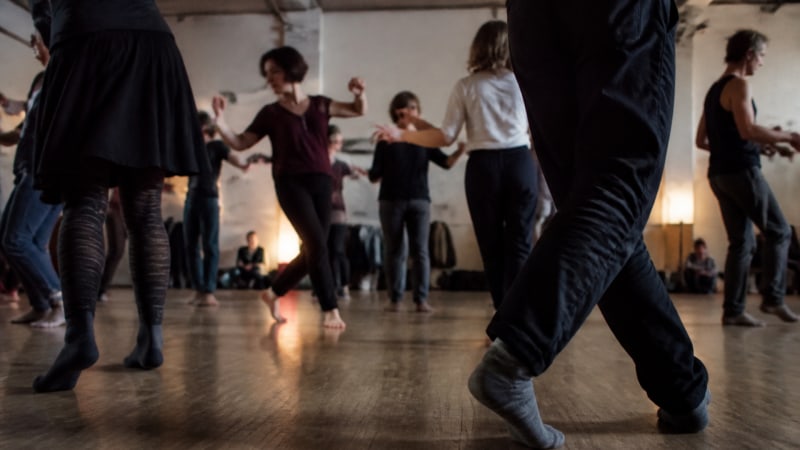
The right footwear determines how confidently you can move between your standing position and the floor.

Barefoot or socks: The pros and cons compared

The question of whether you should dance barefoot or in socks occupies almost every beginner. Dancing barefoot offers you maximum grip on the dance floor. You feel the surface directly, can push off the floor powerfully, and have a secure footing during turns and jumps. However, bare skin can also drag on some studio floors or lead to painful friction during fast sliding movements.

Socks, on the other hand, allow for wonderfully soft, fluid movements and effortless turns. Regular cotton socks, however, are often too slippery and carry a risk of injury. This is where the special advantages of dance socks for Contemporary come into play. These socks are equipped with grip zones at strategic points such as the ball of the foot or the heel. They offer you the perfect balance of glide for turns and traction for a secure stance. For those looking for the transition from classic techniques, it is also worth taking a look at the ballet warm-up to optimally prepare the ankles for the strain.

The best tips for your training outfit

Like this

  • Wear long trousers to protect your knees
  • Choose elastic and breathable fabrics
  • Use dance socks with grip zones for turns
  • Wear tight-fitting but flexible tops

Don't do this

  • Wear short shorts for intensive floor work
  • Choose clothing with uncomfortable zippers
  • Dance on parquet floors in slippery everyday socks
  • Wear overly loose, flowing clothing in class

Clothing in contemporary dance is like a second skin. It must protect you, but it must never restrict your creative expression in any way.

Dance educator, Berlin

Choosing the right materials for protection and flexibility

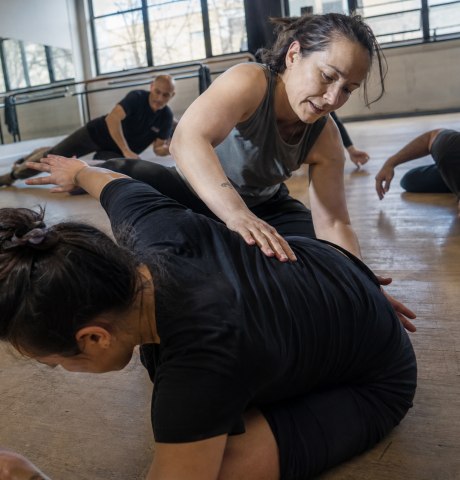
When buying your first gear for contemporary dance, you should look for durable materials. Since clothing is subjected to heavy wear from contact with the floor, blends of cotton and elastane or functional synthetic fibers are ideal. They are tear-resistant, breathable, and easily accommodate any stretch. Avoid clothing with zippers, buttons, or hard seams, as these can press painfully against you when lying or rolling on the floor.

For your feet, in addition to socks, there are also so-called ballet slippers or foot undies that only cover the balls of your feet. These are particularly suitable if you appreciate the aesthetic of dancing barefoot but want to protect the skin on the balls of your feet from friction. Ultimately, your personal preference and the focus of the respective class will decide. If, in addition to contemporary dance, you are also interested in other fluid forms of movement, perhaps our guide on Contact Improvisation for beginners will be an exciting inspiration for you.

Two ways for your footwork in training

Barefoot

The grounding power of the bare sole

Direct floor contact and maximum stability

Dancing barefoot gives you a direct connection to the floor. You can actively use your toes, have maximum stability for balance figures, and do not slip during powerful jumps.

Socks

Smooth transitions in flow

Fluid turns and gentle gliding

Socks allow you to perform wide, gliding movements across the studio floor. Special dance socks with integrated grip zones protect your skin and offer the perfect mix of sliding and holding.

Frequently Asked Questions

  1. For your first class, comfortable long sports pants and a well-fitting T-shirt are suitable. It is best to bring a pair of clean cotton socks so you can decide flexibly whether you prefer to train barefoot or in socks.

Contemporary courses near you

Find the right studio for your weekly training in your city.

View all matching courses

Find your next Contemporary-Studio

Whether barefoot or in socks, it is simply more comfortable to dance with the right equipment. Find the best studios for contemporary dance near you on udansa and connect with other dance enthusiasts.

Find your next Contemporary-Studio

Read more