Dance practice4 minutes

Overcoming the fear of improvisation in contemporary dance

In short
  • The fear of improvisation in Contemporary can be reduced through a gradual approach and clear, simple movement tasks.
  • Mental blocks and feelings of shame usually arise from your own perfectionism and the perceived pressure of being judged by others.
  • By specifically limiting your senses, such as closing your eyes, the focus is shifted from the outside to your own body awareness.
  • Improvisation in class does not require peak acrobatic performance, but always begins with very everyday, small movements.

The fear of free movement blocks many dance enthusiasts in contemporary classes. With this practical guide, you will overcome mental hurdles and learn, step by step, how to express yourself freely without feeling ashamed.

What you need to get started

  • Comfortable, stretchy workout clothes
  • Non-slip socks or readiness to go barefoot
  • The acceptance that there is no right or wrong
  • A safe space in the dance studio

Why free movement in the dance studio blocks us

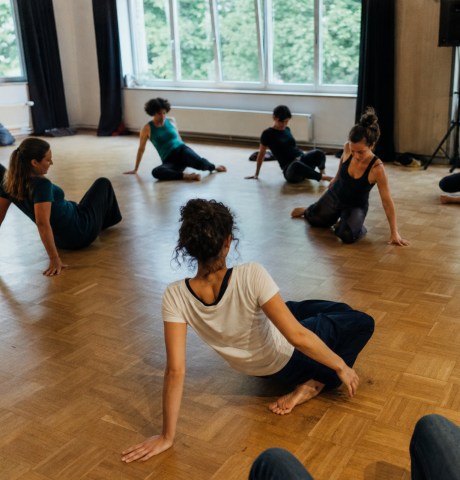
The fear of making a fool of yourself in front of others is the biggest hurdle when starting contemporary dance. Many adults freeze up completely as soon as the instructor asks them to move to the music without fixed steps. This feeling of shame is completely normal: our everyday life demands constant control and efficiency from us. Suddenly switching off your head and trusting your own impulses feels unfamiliar and vulnerable. But that is exactly where the magic of contemporary dance lies. It is not about putting on a perfect show, but about discovering your own movement language. When you learn to switch off the judgment in your head, the tension gives way to a deep feeling of freedom. If you want to release these mental blocks when dancing, you can also be inspired by other challenges, such as how to overcome the general fear of making mistakes while dancing. With the right, small steps, free movement quickly loses its terror.

Step by step, lose your fear of free movement

  1. Switching off visual distractions

    Find a spot in the dance studio where you feel comfortable, preferably a bit away from the mirror. Close your eyes for a brief moment to block out visual stimuli and focus entirely on your breath.

  2. Start with minimal isolations

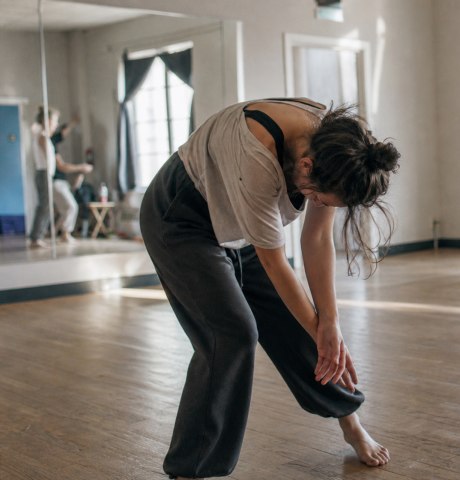
    Start the movement in an extremely small way, for example by moving only your fingertips, your shoulders, or your head in isolation. This prevents your brain from being overwhelmed by the concept of the whole body.

  3. Use contact with the floor as an anchor

    Use the floor beneath you as a partner and shift your weight consciously from one foot to the other. Feeling gravity gives you security and shifts the focus away from the question of how the movement looks from the outside.

  4. Allow movement loops

    Allow yourself to repeat movements that feel good, instead of constantly trying to invent something new. Through repetition, your body finds a natural rhythm, and the tension in your mind noticeably subsides.

The mental switch for free dancing

Like this

  • Focus on your own body awareness
  • Start with minimal movements, such as lifting your hand
  • Welcome mistakes as interesting new paths for movement

Not like this

  • Constantly looking in the mirror and judging yourself
  • Wanting to dance a spectacular choreography immediately
  • Comparing yourself to advanced dancers in the room

Your mental checklist for the dance class

Before the dance class

Preparation

In the improvisation task

Meanwhile

Frequently Asked Questions

  1. The fear of improvisation in Contemporary disappears when you shift your focus from the external appearance to your inner feeling. Set yourself tiny, clear tasks like moving only one hand to take the pressure off your mind.

Contemporary dance near you

Find the right course now and try it out without any pressure.

View all matching courses

The best way to learn to dance is together

On udansa you will meet other dance enthusiasts who, just like you, want to try out new moves without pressure and with lots of fun. Simply find a suitable studio near you and find the perfect people for your next dance class!

The best way to learn to dance is together

Read more