Tournament sport4 minutes

First dance tournament for teenagers: your way onto the dance floor

In a nutshell
  • A grassroots competition offers young people the ideal and uncomplicated entry into tournament dancing without bureaucratic club hurdles.
  • The evaluation focuses on the basics, such as timing accuracy, clean footwork, and a harmonious dance hold.
  • Thorough preparation through targeted conditioning training and simulating crowded dance floors takes the nervousness out of the first start.

The step from the dance studio to the competition floor is an exciting adventure. With the right preparation, your first grassroots sports competition will become an unforgettable success full of adrenaline and team spirit.

DefinitionGrassroots dance competition

A grassroots dance competition is a dance tournament for beginners and recreational dancers where no official competition license from an association is required. It serves to gain initial competition experience under real conditions.

A relaxed entry into the world of dance sport

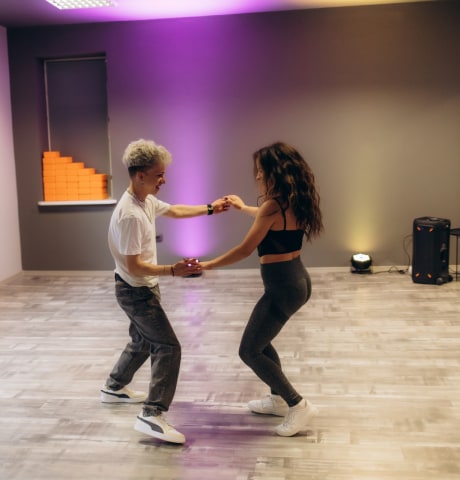
The dream of your first trophy often begins with a simple question: What does it feel like to dance in front of judges? For students and teenagers who want to grow beyond the classic dance course, a recreational competition is the perfect entry point. It is not about complicated club structures or expensive glittery dresses, but about the pure fun of athletic competition. You and your partner present the figures you have learned in a relaxed atmosphere.

Before you dive into the adventure, however, a look at your dance basics helps. A useful first step for self-assessment is the dance sport or recreational sport test for teenagers. This shows you whether you are more of a relaxed hobby dancer or have what it takes to be a real competitive athlete. In recreational sports, you usually show three to five dances, where musicality, rhythm, and clean footwork are evaluated.

The focus is on your partner: those who understand each other instinctively on the dance floor radiate the composure required by the judges.

Precision beats complicated figures in competition

A common misconception is that you need to master complicated professional choreographies for your first tournament. The opposite is the case: in amateur sports, judges primarily look at the basics. A cleanly timed basic step and stable posture beat any shaky professional figure. If you are competing in the ballroom category, you should work specifically on your partner connection beforehand and correct common posture mistakes in dancing to appear confident and harmonious on the dance floor.

Preparing for the big day requires structure. Practice your sequences without music on counts to internalize the steps, and then simulate the tournament situation. Several couples always share the space on the floor. This means you have to react flexibly to collisions. Anyone who can understand the dance direction in the hall and adapt quickly secures valuable points and avoids stress in the dense crowd.

The path to top marks on the dance floor

How to get started successfully

  • Present simple figures absolutely cleanly and in time
  • Keep your gaze open towards the room or your partner
  • In case of collisions, apologize politely and keep dancing

Common mistakes

  • Forcing complicated sequences with sloppy technique
  • Constantly staring at your own feet
  • Letting mistakes throw you off your game

The first recreational dance competition is not about perfection, it is about the visible joy of dancing together and keeping the beat.

Judge, Dresden

With mental strength and focus on the floor

On the day of the competition, mental strength often determines success. It is perfectly normal to have weak knees before your first call. It is important to channel this excitement into positive energy. When entering the floor, focus entirely on yourselves as a couple and do not let the competition at the edge of the floor distract you. Your focus should be on your shared rhythm, not on the faces of the judges.

After the competition is before the next step: Use the judges' feedback as a guide for your athletic development. Regardless of your placement, every first competition is an invaluable experience that strengthens your self-confidence and bonds you together as a dance couple. Once you have tasted the atmosphere of a competition, you will usually return to the training hall with a whole new level of motivation.

Two paths into youth dance sports

Couple dance

The classic tournament entry

The focus on your own duo

Here, you and your partner present your dances as an independent couple. You are in direct sporting competition with other duos and can design your choreographies individually.

Formation

Getting started with the team dance format

Shine together as a large group

In a team, you train synchronous choreographies with several couples at the same time. The focus here is extremely on the community, the precise timing, and the shared team success on the dance floor.

Frequently Asked Questions

  1. For recreational dance, there is no requirement for expensive tournament attire. Clean, neat clothing such as dark trousers with a shirt or a simple dress is perfectly sufficient, as long as it offers freedom of movement.

Ballroom and Latin courses near you

Find the right training for your tournament preparation.

View all suitable courses

Together onto the competition floor

Whether you are still looking for the right training partner or searching for like-minded people for your first amateur competition: on udansa you will find the dance community in your area.

Together onto the competition floor