Youth dance sports3 minutes

Common mistakes for youth dance sports: Start safely in a club

In a nutshell
  • Training without warming up leads to strain and injuries quickly during intensive club training.
  • Skipping technical basics in favor of complex figures prevents long-term success in the sport.
  • A lack of patience with yourself and your dance partner blocks your development as a dancer in the club.
  • Criticism from instructors should be seen as a valuable tool for improvement, not as a personal attack.

Switching from a casual dance class to regular club training is exciting. To ensure your start at the club goes smoothly, you should know the typical pitfalls and train smartly from the very beginning.

How this list of errors was created

  • Practical relevance for teenagers

    All analyzed errors are based on the real experiences of youth coaches in dance sports clubs.

  • Focus on recreational sports

    The tips focus on entry-level recreational sports and club participation, not professional tournaments.

  • Independent analysis

    No sponsorship money or paid placements were accepted for the creation of this list.

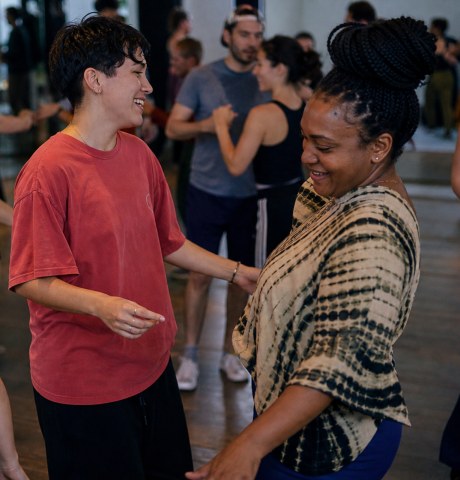
Polishing your technique together: Club training is all about precision, patience, and mutual support.

The five biggest stumbling blocks in youth dance sports

  1. 01

    Skipping the basics for fast figures

    Dance club, first months of training, focus on footwork

    • Technique
    • basics
    • foundational work

    Anyone who neglects the basics is building on a shaky foundation. Without clean basic steps and correct weight transfer, advanced choreographies can hardly be performed without errors later on.

  2. 02

    Skipping the warm-up routine

    Tournament hall, before every training session, 15 minutes mandatory

    • Warm-up
    • fitness
    • health

    Dance sport is a true high-performance sport. Anyone who starts at full intensity without a thorough warm-up risks painful strains and long-term overuse injuries to joints and muscles.

  3. 03

    Taking instructor feedback personally

    Dance club, ongoing group training, mental focus

    • Mindset
    • feedback
    • communication

    Corrections from instructors are not a critique of you as a person, but the most important tool for your progress. Anyone who reacts by blocking or feeling offended takes away their own chance to improve.

  4. 04

    Error while searching for a dance partner

    Dance floor, partner training, emotional balance

    • Teamwork
    • partnership
    • respect

    In partner dance, you win and lose together. Blaming your partner for failed figures destroys trust and massively slows down the dance development of both partners.

  5. 05

    Expectations for your own pace are too high

    Dance club, first half-year, mental stamina

    • Patience
    • motivation
    • expectations

    Dance sport requires patience. Anyone who expects to glide across the dance floor like the pros within a few weeks will quickly become frustrated and throw in the towel before the actual fun begins.

How teenagers successfully master the start in a dance club

The transition from a casual dance class to structured club training is a big step for many teenagers. Suddenly, it is no longer just about memorizing steps, but about precise footwork, a sense of rhythm, and physical fitness. Those who start here with the wrong expectations quickly lose motivation or risk injuries. A typical stumbling block, for example, is neglecting the basics: many teenagers want to dance spectacular figures immediately before their balance in the basic step is even established. In club training, it quickly becomes apparent that without a clean foundation, even the most exciting choreography looks unstable.

Another critical point concerns physical strain. Anyone who goes onto the dance floor without a targeted warm-up or neglects recovery slows down their own progress. Especially for disciplines like ballroom dances, a solid physical condition is essential. Accompanying conditioning training for ballroom dancers helps to build the necessary stamina and body tension for long training sessions in the club. Furthermore, anyone who learns to see constructive feedback from trainers not as personal criticism, but as assistance, is guaranteed to master the start in a dance club successfully.

Facts and figures for a successful start to your training with udansa

minutes of targeted warm-up protect you from injuries
15
Dance styles form the foundation of classic partner dance
10
percent of success depends on clean footwork
80%

Frequently Asked Questions

  1. The biggest mistake is skipping the basics. Young people often want to dance difficult figures too quickly, which means clean technique and balance fall by the wayside.

Youth dance courses near you

Find the right way to join a dance school or club in your area.

View all matching courses

Find your dance partner on udansa

On udansa you find like-minded people who share your passion, and discover the best training groups in your region. Connect directly with others and get started together in the club!

Find your dance partner on udansa