Dance together, stay platonic
On udansa, you can find dance connections in Rome and make it clear that you only want to practice or dance together.

By Bernhard De LucaUpdated
On udansa, you can find dance connections in Rome and make it clear that you only want to practice or dance together.
You can enjoy meeting someone on the dance floor and still not want a private date. This distinction needs neither an apology nor an explanation of your relationship status.
A platonic dance partnership is a connection for dancing together without romantic or sexual intent. Friendliness and personal chemistry can be part of it, without the intention of turning it into a relationship.
If you’re looking for a dance partner in Rome without dating, it helps to state the purpose of your connection: “I’m looking for someone to dance and practice with, without dating or romantic intentions.” This describes what you want to offer. You’re not judging the other person’s appearance or attractiveness.
The word “dance partner” alone can mean different things. One person might think of technique training, another of evenings out together, and a third might also hope for a relationship. None of these hopes can be reliably read from a smile or a pleasant conversation. A clearly stated wish is more reliable than an indirect signal.
“I’m in a relationship” may be informative, but it can sound like an external obstacle rather than your own decision. “I only want to dance,” on the other hand, remains clear even if your relationship status changes.
You can make this clear in your search on udansa. Add more details about your dancing preferences in your dance partner profile for Rome. For setting this boundary, this is enough: you’re meeting because of dancing, not with the unspoken expectation of a date.
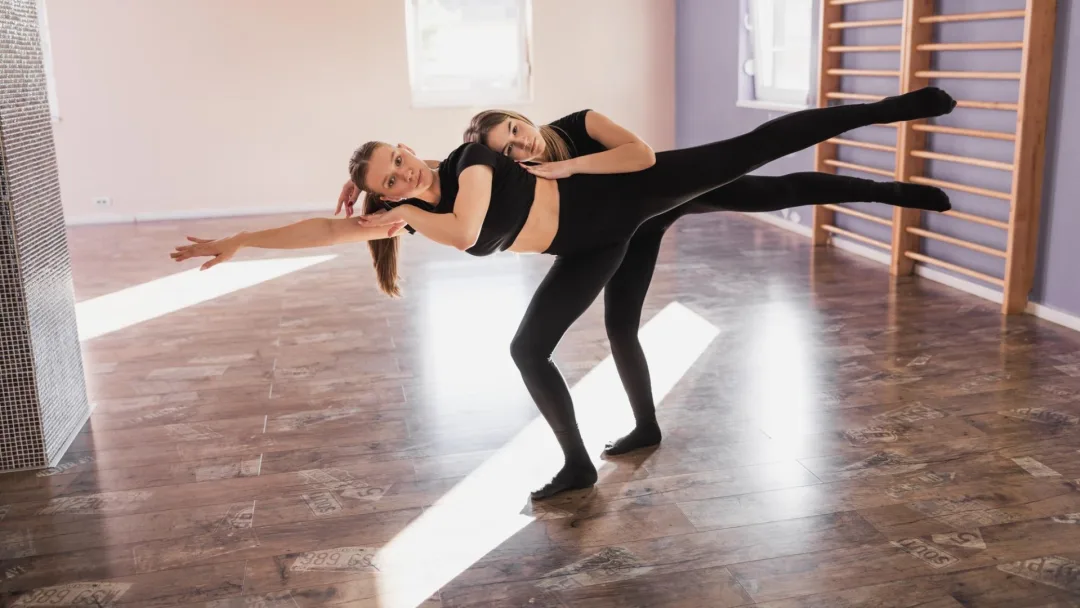
Partner dancing uses signals that can feel personal off the dance floor. Eye contact helps with orientation, hand contact transmits impulses, and moving together requires attention. You can be focused, friendly, and physically close without having romantic interest. Even a particularly successful sequence of figures initially says something about how well you work together.
At the same time, calling something “dance technique” does not make every kind of touch appropriate. Which hold feels comfortable depends on the figure, your experience, and your personal boundaries. You can decline a closer hold or ask to change a hand position. One way to put it is: “I can dance with you comfortably with a little more space.” You do not have to explain your personal history.
What matters is not whether the other person claims a certain touch is customary. What matters is whether you find a way of dancing that you both agree to. Leading describes movement impulses, not control over the following person's body.
The occasion can also shape expectations: A practice night has a different focus from a dance party. But neither practicing together nor a social evening obligates you to flirt, share private closeness, or continue spending time together off the dance floor.
Do this
Not like this
Use the course filter on this page to find current classes and dates in Rome for dancing together.
A boundary describes what you want and doesn’t have to prove that the other person did something wrong.
A romantic invitation is not automatically a boundary violation. Maybe the other person understood your encounter differently or wants to ask openly whether you're interested. You can answer just as openly: “Thanks for the invitation. I’d like to dance with you, but not go on a date.” You don’t need to soften your refusal with phrases like “not right now” or “maybe later” if you don’t want to offer that possibility.
It helps to distinguish between a disappointed reaction and continued pressure. Someone may feel briefly disappointed and still accept your answer. Repeated attempts to persuade you, accusations, or unwanted advances after you’ve spoken up show, however, that your boundary isn’t being respected. You don’t owe anyone more dances to make up for turning down an invitation.
You can also set clear limits on what you’re offering: “I’m happy to dance together in class. I don’t want to meet up privately.” If even this clear distinction isn’t accepted, just say: “I don’t want to stay in contact.” This isn’t an invitation to discuss it.
A platonic dance partnership is still possible if you both want the same kind of relationship. It doesn’t fail because someone states a boundary, but because you can’t find a form of contact that you both accept.
Moving together without a personal commitment
You can happily meet the same person for dancing again and keep conversations focused on music or dance figures. This is a complete form of connection, even if you know little about each other outside of dancing.
Personal connection without romantic intent
You can enjoy talking or doing things together and still not be looking for a relationship. A friendship can grow out of dancing if you both want it to; it is neither a requirement nor something you owe in return for more dances.
No, you don’t have to share your relationship status to rule out dating. Even if you’re single, you can still want to dance and nothing more. Being in a relationship can provide additional context, but it doesn’t replace stating your own interest or oblige you to share further personal details.
Yes, if you want to, having coffee is compatible with a platonic dance partnership. A personal conversation doesn’t automatically make it a date. If the invitation is meant romantically, you can say: “I’d be happy to meet as friends, but not as a date.” You still don’t have to accept the invitation.
A singles dance class often means a class you can sign up for without a regular dance partner, not necessarily a dating opportunity. Partner changes may be part of the lesson. That doesn’t create any obligation to stay in touch privately, and enjoying a dance together doesn’t create a romantic expectation either.
Yes, you can keep dancing together if your refusal is accepted and you feel comfortable. A one-time invitation doesn’t necessarily make the interaction inappropriate. Repeatedly pressuring you changes the situation: you don’t have to continue dancing together just to be polite.