Why open-air dance floors require their own rules
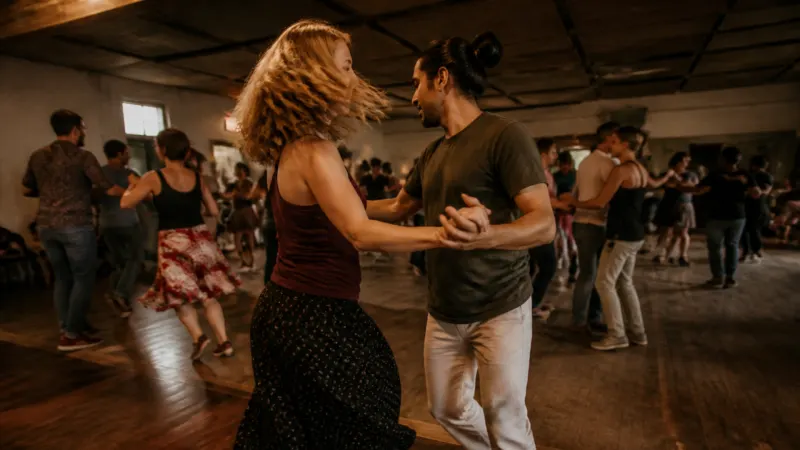
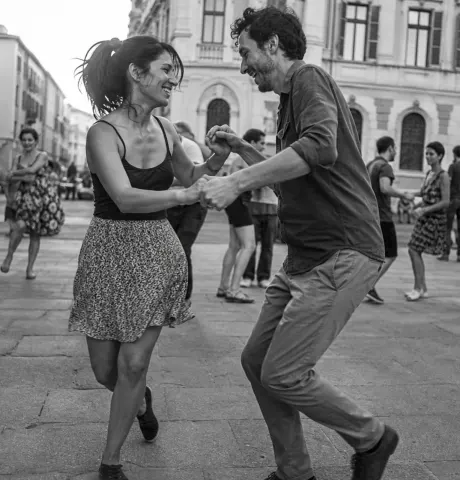
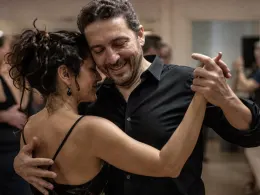
Anyone dancing under the open sky in Dresden experiences partner dance from a completely different perspective than in a dance studio. Outside, there are no protective mirrors, no softly sprung parquet floors, and no fixed room boundaries. Instead, cobblestones, asphalt, or wooden planks determine the feel of your steps. When dancing open-air in Dresden, curious newcomers and experienced dancers meet on open terrain, which makes the atmosphere uncomplicated. Public spaces like the forecourt in front of the Kulturzentrum scheune in the Äußere Neustadt district show how open-air dance evenings work: a weekly milonga invites you to Tango Argentino, where beginners can learn their first steps at the start.
However, dancing outdoors requires an adjustment of your own habits. Because the surface is rarely perfectly smooth, the mechanics of every turn change noticeably. Dancers must stabilize their balance more consciously from their core and resolve turns through several small steps rather than relying on the pivot point of the sole. Anyone who knows these peculiarities will quickly find their way into the flow of the music.