Why dance trends have a rhythm all their own
In the fashion world or on social media, trends often spread in seconds via short video clips. In dancing, however, especially in Argentine Tango, the clocks tick quite differently. Here, new movements establish themselves noticeably slower because they are not passed on by mere watching, but only through shared experience on the dance floor. A new style or a changed dynamic in posture usually emerges in the creative laboratories of individual ensembles and then migrates from body to body via workshops, festivals, and neotango parties. This physical transmission takes time, but it ensures that trends in tango are not fleeting fads, but profound, sustainable developments that permanently change the feeling of the dance.
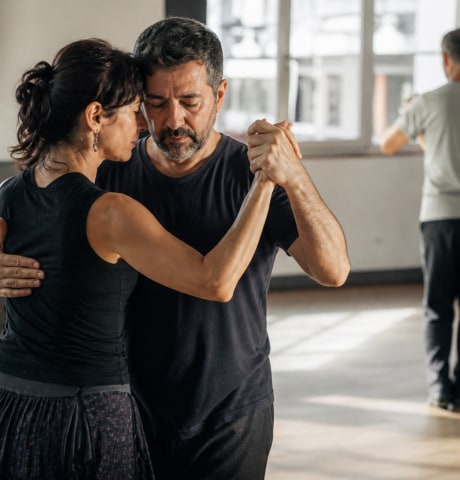
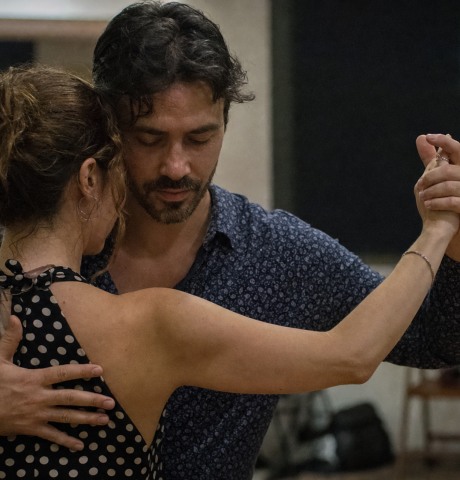
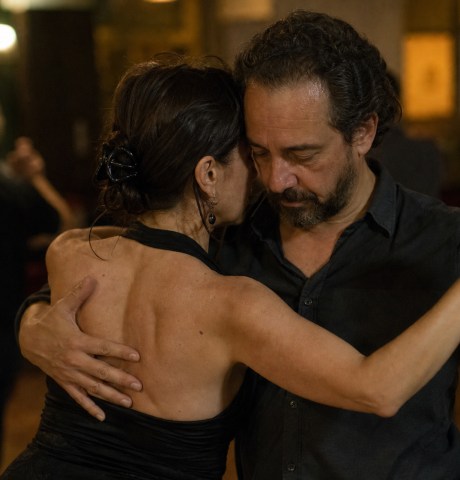
The roots of modern movement lie in the fusion of traditional elements with contemporary influences such as electronic music, contact improvisation, and modern dance. While the classic milonga is often characterized by strict, historically grown lines, the Argentine Tango hand position breaks down traditional barriers in a modern context. The journey leads away from rigid templates and toward a posture that flexibly adapts to the music and the space. This movement is moving unstoppably into urban dance studios worldwide and is attracting, above all, dancers who want to understand tango as a free, creative form of expression in the here and now.