The psychology behind the close embrace
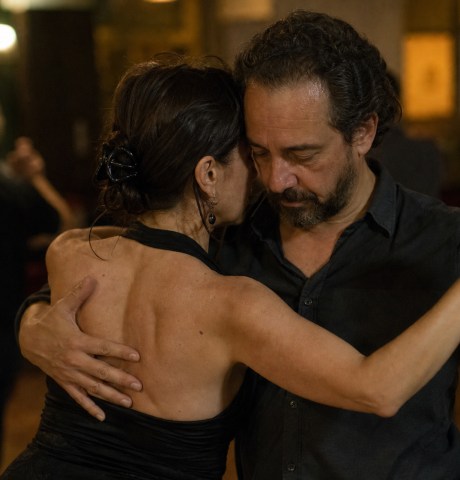
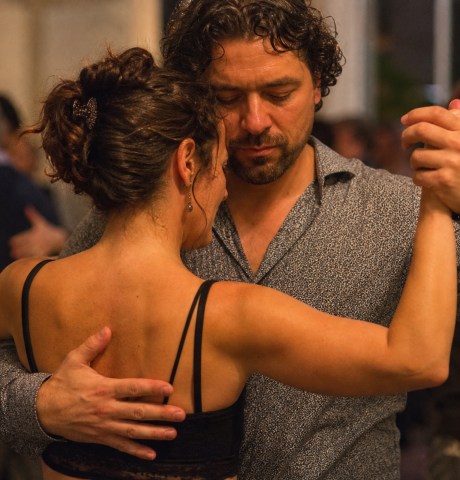
Argentine Tango is world-famous for its intimacy. Unlike many other partner dances, where a fixed distance is maintained between the dancers, the abrazo, the traditional embrace, demands intense physical closeness. Yet, it is precisely this unique feature that leads to uncertainty for many beginners and even advanced dancers. Where does the dance connection end, and where does the personal comfort zone begin? The psychology behind the connection in Tango shows that true closeness on the dance floor only arises when both partners feel absolutely safe.
This safety is based on the freedom to demand distance. Anyone who feels pressured tenses up, blocks their own movement, and loses the connection to the music. Therefore, the interplay of closeness, distance, and boundaries in Argentine Tango is not a purely technical topic, but an emotional agreement that is renegotiated with every dance and with every partner. Only when one's own boundaries are respected can one fully immerse oneself in the shared experience.