Music structure4 minutes

Derecho, Majao, Mambo: The typical Bachata song structure in detail

In a nutshell
  • Every classic Bachata song is rhythmically divided into three sections: Derecho, Majao, and Mambo.
  • The Derecho forms the calm introduction in the verses, where the instruments play a steady pattern.
  • The Majao drives the song forward in the chorus with a more intense emphasis on the percussion instruments.
  • The Mambo is the energetic instrumental part that is perfect for free footwork and solo steps.

Anyone who understands the structure of a Bachata song stops counting and starts feeling. Get to know the three rhythmic phases that structure every song, and adapt your dance style intuitively with udansa.

DefinitionBachata song structure

The Bachata song structure refers to the rhythmic division of a Bachata song into the three characteristic phases: Derecho, Majao, and Mambo. This structure is significantly shaped by the changing rhythm patterns of the percussion and string instruments.

An overview of the three pillars of Bachata structure

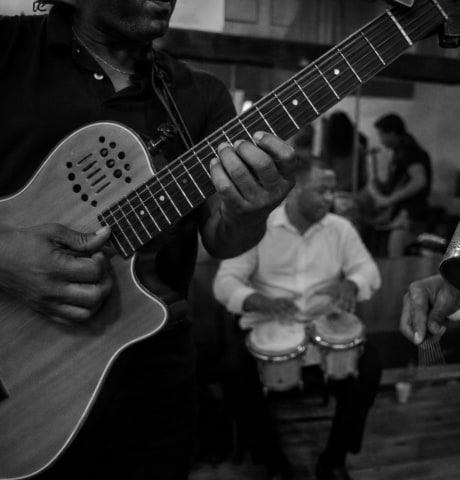
A typical Bachata song is not a uniform wall of sound, but a dynamic work of art that follows a clear, three-part structure. These segments are called Derecho, Majao and Mambo. Each of these elements has its own rhythmic function, which is determined by the interplay of the instruments, above all the bongo and the güira. Anyone who understands these sections knows exactly when the music is building energy, when it is flowing, and when the moment for fast footwork has arrived.

For dancers, this knowledge is the key to musicality. Instead of stubbornly dancing the basic step, you adapt your movements to the respective phase. The change between the sections signals to you whether you should dance soft, flowing figures, set an accent, or switch into a rhythmic solo. If you take the Bachata rhythm test, you will notice how much easier it is to pick out the sounds once you have the song structure in your ear.

From the calm Derecho to the driving Majao rhythm

The song structure usually begins with the Derecho. This is the calm introduction, which is often heard in the intro and during the verses. The bongo plays a steady, almost march-like pattern here, while the güira emphasizes the quarter notes. For you as a dancer, this means: take a breath, find the common beat with your partner, and use the space for elegant, sweeping movements. This is the perfect place for soft body waves or gentle turns.

As soon as the song picks up speed and approaches the chorus, the band switches to the Majao. The rhythmic pattern intensifies, the güira now plays continuous eighth notes, and the bongo emphasizes the heavy beats on two, three, and four. The Majao is the rhythmic heart that drives the dance forward. Here, your Bachata hip movement gains precision, and the steps become more compact and dynamic.

Correctly applying musicality in Bachata

Like this

  • Listen for the change in instruments
  • Dance calm figures during the Derecho
  • Switch to footwork during the Mambo

Don't do this

  • Dancing the entire song at the same tempo
  • Forcing hectic turns during a calm intro
  • Holding onto your partner during a fast Mambo

If you understand the structure of the music, you no longer have to think about the next step, because the instruments tell your body exactly what to do all by themselves.

Bachata dance instructor, Regensburg

Mambo as the highlight for creative footwork

The absolute highlight of a Bachata song is the Mambo. In this section, which is often instrumental and starts after the chorus, the traditional structure breaks open. The guitars play fast, syncopated riffs, and the percussion makes the tempo feel faster. The Mambo is the musicians' official invitation for dancers to let go of each other and move into what is known as footwork (shines).

In the traditional dance style, Bachata Dominicana, the Mambo is the moment when dancers show their speed and creativity. You don't have to dance highly complicated figures as a couple here. Instead, use the Mambo to playfully react to the fast guitar sounds, incorporate solo steps, and interpret the rhythm with quick taps before the song falls back into the calmer Derecho part.

Two worlds in one song: calm vs. ecstasy

Derecho

Enjoying calm and connection

The quiet verse in partner dance

The Derecho is the calm foundation of the song. The instruments stay discreetly in the background to give space to the vocals. Dancers use this phase for harmonious, flowing movements as a pair and to build a deep connection.

Mambo

Show energy and footwork

The energetic instrumental solo

Mambo breaks up partner dance routines. With fast guitar runs and driving percussion, this section invites you to perform synchronized or free footwork. Here, the focus is on playful interaction.

Frequently Asked Questions

  1. The derecho is the calmest part of the song, usually heard during the verses. The percussion plays a steady, straight pattern without major syncopations, which is ideal for smooth basic steps and calm turns.

Bachata courses near you

Find the right course on udansa and learn to express the music through dance.

View all matching courses

Never dance Bachata aimlessly again

Find like-minded people on udansa who have rhythm in their blood, and discover suitable courses to try out your new musical understanding directly on the dance floor.

Never dance Bachata aimlessly again