

Find your crew on udansa
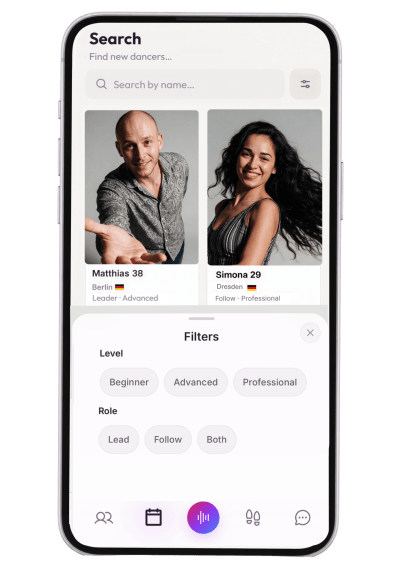
On udansa, you will find like-minded people, passionate crews, and suitable courses in your city to take your musicality and performance to the next level. Join the community and actively live the Hip-Hop culture.

Breaking is much more than spectacular acrobatics on the floor. It is a vibrant culture, where the music sets the beat and the battle becomes a strategic art form.
The term cypher refers to the circle of dancers and spectators, in the middle of which the performers take turns. It is the sacred space of breaking, where respect, energy exchange, and spontaneous creativity take place.
To truly understand the art of breaking, a look at the history of breaking is essential. Emerging in the early 1970s on the streets of the New York Bronx, B-boying developed as a direct expression of a new youth movement. It was a creative response to social tensions: instead of violence, conflicts were settled through dance on cardboard boxes. These roots shape B-boying culture to this day. It is about respect, originality, and asserting one's own identity among like-minded people.
Anyone stepping into a cypher today immediately feels that this is no ordinary dance sport. The unwritten laws of this circle, the so-called rules of the breaking cypher, demand absolute presence. You never enter the circle while another dancer is in the middle of their run. Physical contact is taboo, unless it is part of a conscious, respectful interaction in a battle. It is about claiming the space without violating the dignity of the other person. This historical attitude of peaceful but tough competition forms the foundation for every modern tactic.
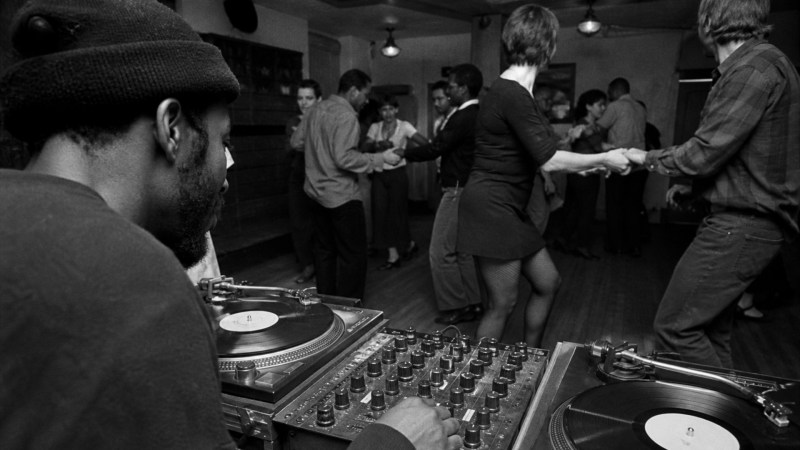
An outstanding dancer is not defined by the number of their spins, but by their breaking musicality. The dance emerged in close symbiosis with the work of the first hip-hop DJs. Pioneers like DJ Kool Herc realized that the crowd danced most wildly during the instrumental parts of the records. They extended these passages using two turntables. This birth of breakdance DJing beats still shapes the dance today: B-boys and B-girls do not dance to the vocals, but directly to the breakbeat, the driving drums, and the rhythmic accents.
The secret lies in developing a deep breakdance sense of rhythm. You have to anticipate the music instead of just reacting to it. The beats usually consist of classic funk, soul, or rock breaks. An experienced dancer hears the drum pattern, recognizes the upcoming snare hit, and lands their freeze in that exact split second. When your movement merges perfectly with the break, the magic of breaking happens. It is a constant conversation between the DJ, who guides the needle, and the dancer on the floor.
Listen to classic 70s funk breaks in private and try to hit the snare beats with a clap or a nod, without paying attention to the rest of the rhythm. This trains your ear for the decisive moment in a battle.
When breaking, you don't dance to the music, you are the visual representation of the beat that the DJ creates on the turntables.
A battle is rarely decided by athletic peak performance alone: the right breakdance battle tactic is the key to victory. When you compete in a direct duel, you have to observe your opponent closely. A common mistake is to use up all your energy in the first run. A smart tactician analyzes the opponent's weaknesses and counters in a targeted manner. If your opponent shows spectacular power moves, you might respond with extremely clean musicality and unexpected transitions to show that you control the beat better.
The concept of "biting", which means copying other people's moves, plays a central role in the judging. In the scene, originality is considered the highest virtue. Anyone who copies someone else's signature moves immediately loses reputation and points. Your tactic must be to present your very own personality. Use the element of surprise, react directly to your opponent's gestures, and show the judges that you are not just running through a rehearsed program, but living and improvising in the moment.
The circle of exchange
In the cypher circle, you share your energy with the community. This is all about spontaneous exchange, celebrating the music together, and showing your latest moves without the pressure of a formal evaluation.
Direct competition
In a direct battle, the focus is on confrontation. You have to counter your opponent's movements, keep your cool, and convince the judges with strategic musicality and clean execution.
Cypher rules are unwritten laws of respect. Never enter the circle when someone is currently dancing, avoid intentional physical contact, and respond to provocations exclusively through dance.
Find the right course and learn the basics of rhythm and movement.
