The cradle of the beat and the birth of breaking
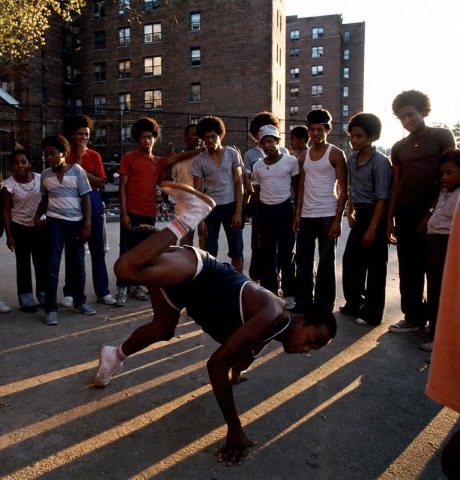
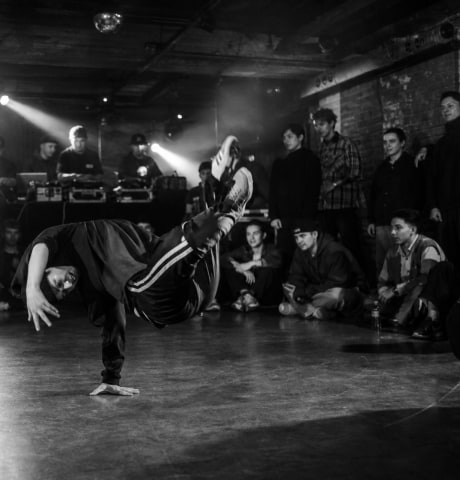
The history of breaking is inextricably linked to the emergence of Hip-Hop in the 1970s in the Bronx, New York. Back then, DJs made a groundbreaking discovery: the dancing crowd would go into a frenzy whenever the vocals dropped out and only the drum solo, the so-called break, could be heard. Pioneers like DJ Kool Herc began to artificially extend these instrumental passages using two turntables. This innovation in the history of breaking DJs laid the foundation for an entirely new form of dance. The dancers who showed off their acrobatic moves during these exact pauses were logically called break-boys and break-girls, from which the terms B-Boy and B-Girl evolved.
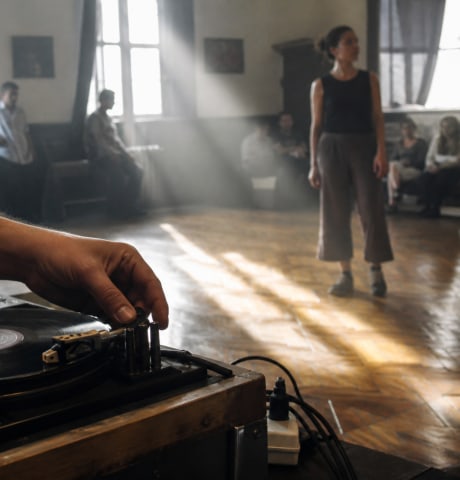
Without this musical revolution, breaking would not exist in its current form. The DJ is not simply a service provider who plays music, but the architect of the entire event. They control the energy in the room by varying the tempo, incorporating surprising rhythm changes, and reading the dynamics of the dancers. An experienced DJ reacts directly to the movements on the dance floor and challenges the athletes to prove their musicality.