The physics behind balance in contemporary dance
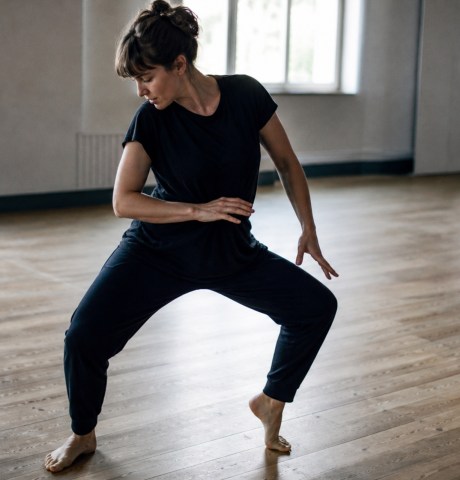
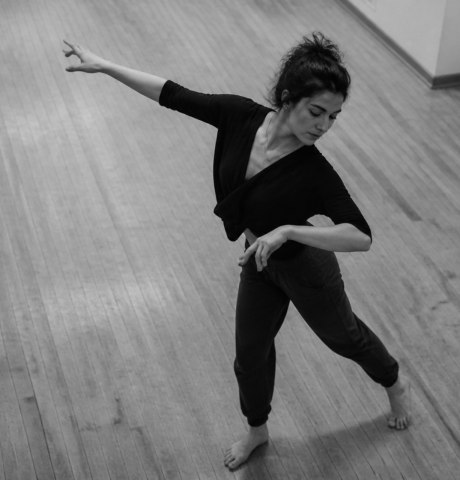
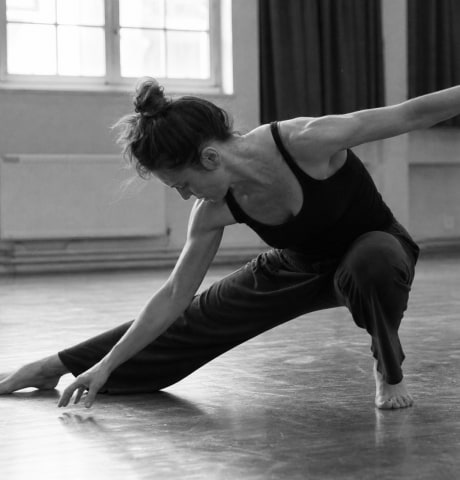
In contemporary dance, stability is not a rigid state, but a highly dynamic process. Every movement, no matter how small, of your head, arms, or free leg changes your body's center of gravity. If you want to train your balance and stand stably in Modern Dance, you must understand the biomechanical relationships between the standing leg and the working leg in Modern Dance.
The basis for a stable balance in contemporary dance is the concept of the plumb line. This imaginary vertical axis runs from the crown of your head down through your pelvis directly into the center of your standing foot. As soon as you shift your weight, this line moves with you. The goal in training is not to freeze the movement, but to control the micro-movements of your muscles so that the plumb line always remains within your base of support. A well-founded lateral entry into contemporary dance for adults often shows you how important this conscious body work is from the very beginning.