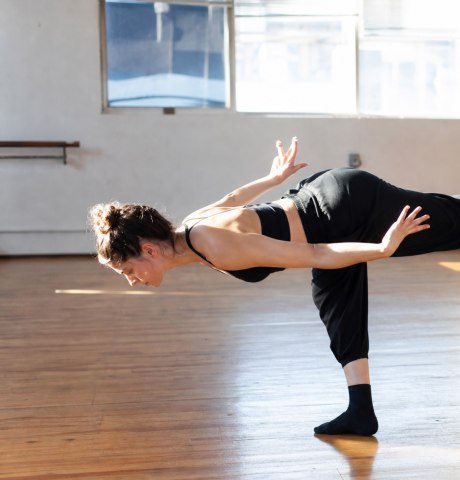
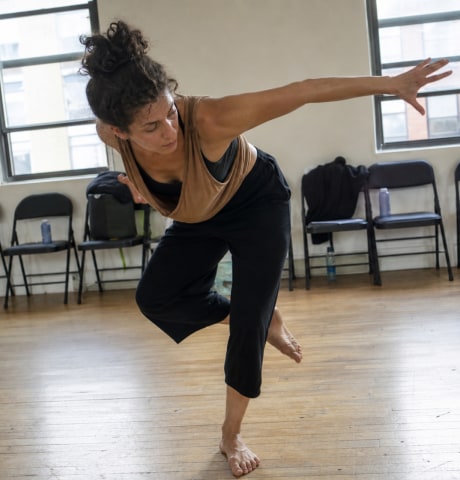
Dance technique4 minutes

Learn release technique in contemporary dance

In a nutshell
  • Release technique uses gravity and breath to specifically reduce unnecessary muscle tension in the body.
  • By consciously releasing the joints while standing, a fluid and highly efficient quality of movement is created.
  • Breath initiates every movement, which makes the dance feel organic and optimally relieves the spine.

The key to fluid movements in contemporary dance lies not in maximum muscle strength, but in conscious release. Learn how you can find new lightness in your stance through gravity and breath with udansa.

What you need for practice

  • Quiet room with a level, non-slip floor
  • Comfortable training clothes without restrictive waistbands
  • Barefoot or grip socks for good floor contact
  • A basic understanding of your own posture

How physics makes your dance effortless

Release technique revolutionized contemporary dance by radically turning away from the rigid forms of classical ballet. Instead of constantly tensing muscles to maintain an artificial shape, this method uses gravity and the body's natural biomechanics. The goal is to expend only as much energy as is absolutely necessary for a movement. For adult beginners, this approach offers a wonderful way to develop a healthy body awareness and release blockages.

A central element of this technique is the conscious release of the joints. By learning to let go of unnecessary tension in your knees, hips, and shoulders, you gain freedom of movement and dynamics. This standing work trains your perception of your own body weight and forms the foundation for more complex movement sequences. If you would like to delve deeper into the physical principles, it is worth taking a look at our guide on Modern Dance Techniques: Understanding the Physics of Movement, which sheds even more light on the biomechanical connections.

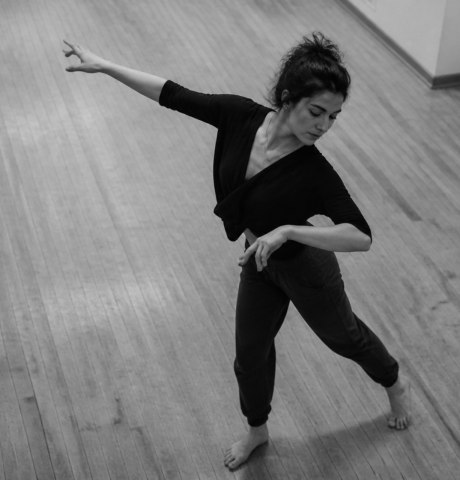
Find your way into the release step by step

  1. Finding your plumb line

    Stand with your feet hip-width apart and feel the contact of your feet with the floor. Shift your weight slightly forward and backward until you have found your golden center over your ankles.

  2. Unlock your joints

    Let your knees soften and imagine how your hip and ankle joints get space. Your stance feels stable, but elastic like a spring.

  3. Let the breath flow

    Breathe deeply into your chest and feel the expansion. Use the exhalation to let your head sink heavily forward, so that your cervical spine is gently stretched.

  4. Let your spine hang loose

    Let the weight of your head pull your upper spine downwards, vertebra by vertebra. Keep your knees bent and let your arms dangle completely relaxed.

  5. Straighten up effortlessly

    Slowly straighten up using the strength of your feet and legs. Feel how your pelvis aligns and your spine stacks itself back up effortlessly, as if by itself.

Efficient movement versus blockages

Like this

  • Use gravity as a partner and release your weight
  • Let movements begin with the exhale
  • Keep your joints supple and slightly bent
  • Focus on the flow of energy in your body

Not like this

  • Fighting against gravity with muscle power
  • Holding your breath during strenuous movements
  • Locking your knees and elbows stiffly
  • Copying movements purely externally and mechanically

Your checklist for release training

Before training

Preparation

Standing

Arrival

While dancing

In the meantime

Frequently Asked Questions

  1. The release technique is a contemporary dance method based on releasing muscle tension and using gravity. It promotes fluid, efficient movements and is gentle on the joints.

Modern Dance courses near you

Find the right dance school and try out the release technique right away.

View all matching courses

Find your dance partner for Modern Dance

On udansa you will find like-minded people who want to explore the world of contemporary dance with you, as well as suitable courses in your area.

Find your dance partner for Modern Dance